The Promise of Peace Must Reach Every Child
How a new generation of Bangsamoro leaders can help turn peace into possibility for every child

Originally published by MindaNews
Consider two children born ten years apart in the same place: the Bangsamoro region in Mindanao.
Ibrahim was born in 2009 in a farming community in Lanao del Sur, the peace process was still being negotiated. Like many children growing up amid conflict, he experienced periods of fear, uncertainty, and displacement. Violence and displacement were realities that shaped his childhood. Going to school was interrupted. Parents worried not only about how to provide for their children, but how to keep them safe.
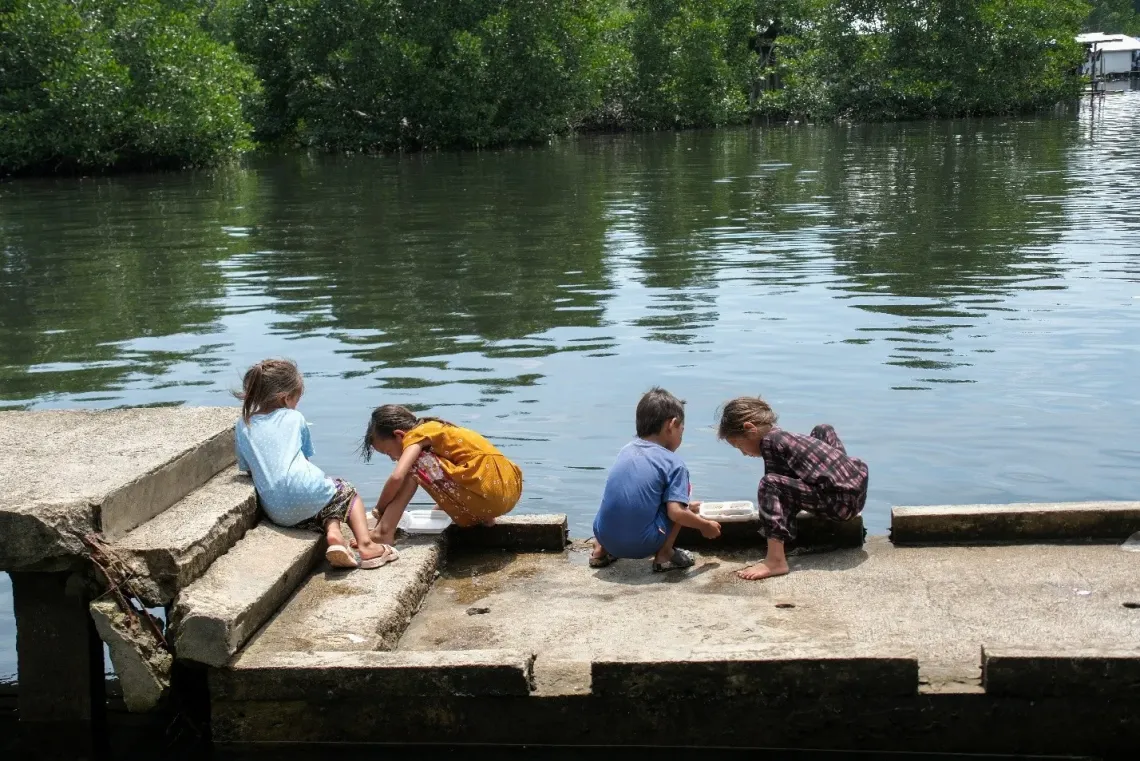
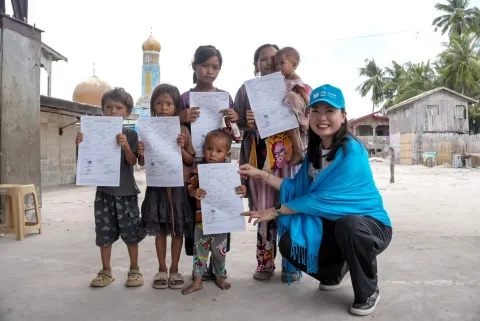
Now consider Amina, born in 2019 in a coastal community in Basilan, the same year the Bangsamoro Autonomous Region in Muslim Mindanao (BARMM) was established.
Amina’s childhood is not free of difficulty either. Poverty remains high, and too many children still struggle to access quality education, health, nutrition and protection services.
Armed clashes, including those arising from rido or clan feuds and the growing impacts of climate change continue to put children at risk in some communities.
But unlike Ibrahim, Amina belongs to a generation for whom peace has been the norm rather than the exception. Uncertainty and disruption brought by large-scale conflict are no longer the defining features of everyday life for her and most children in the Bangsamoro.
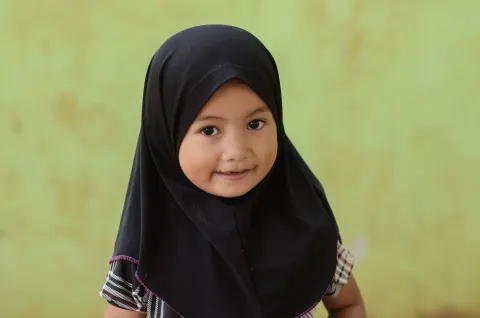
Amina and her friends are growing up with hard-won opportunities, stronger Bangsamoro institutions and a growing voice in shaping their future.
And following the first regular parliamentary elections, theirs is also the first generation to grow up with the first elected Bangsamoro Parliament.
What children are asking for
Over the past year, I have had the opportunity to listen to children from different parts of the Bangsamoro speak about the future they want.
Ahead of the parliamentary elections, UNICEF carried a simple blue notebook across communities in the region. Children who had never met one another filled its pages with letters and drawings for their future leaders.
In Tawi-Tawi, 15-year-old Rai described the notebook as a small space where she could write about her dreams and concerns. She hoped that leaders would not simply read what children had written but would listen to them.
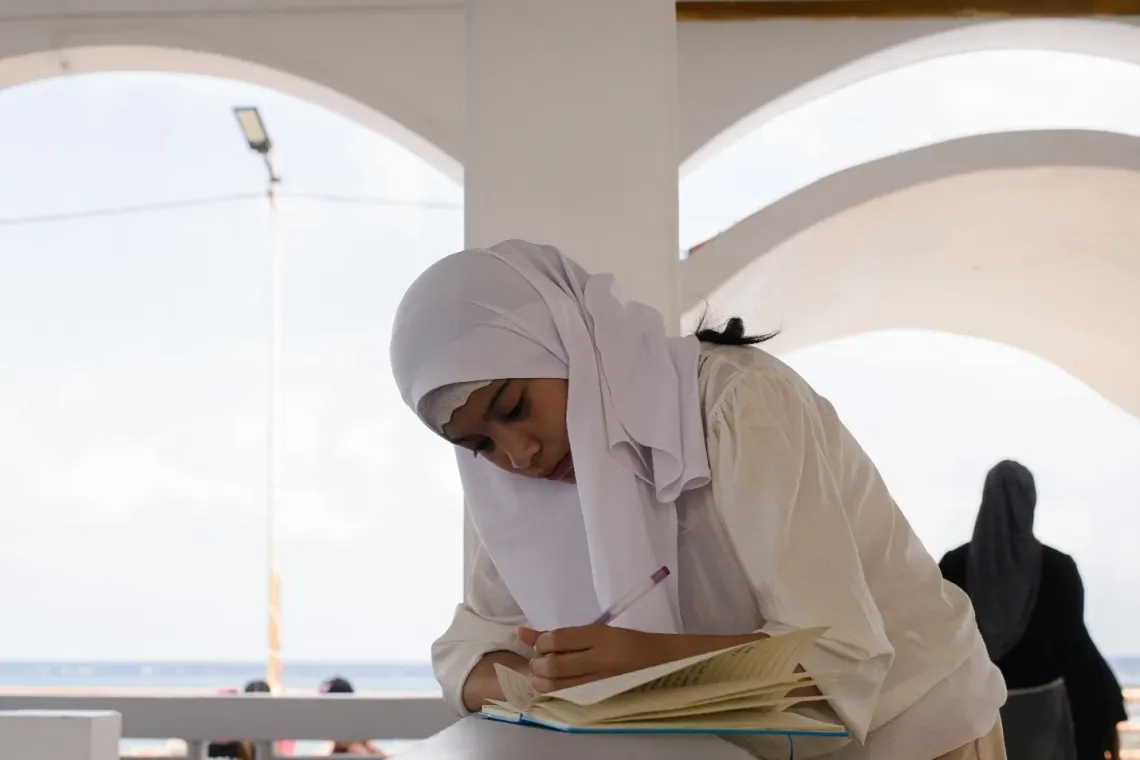
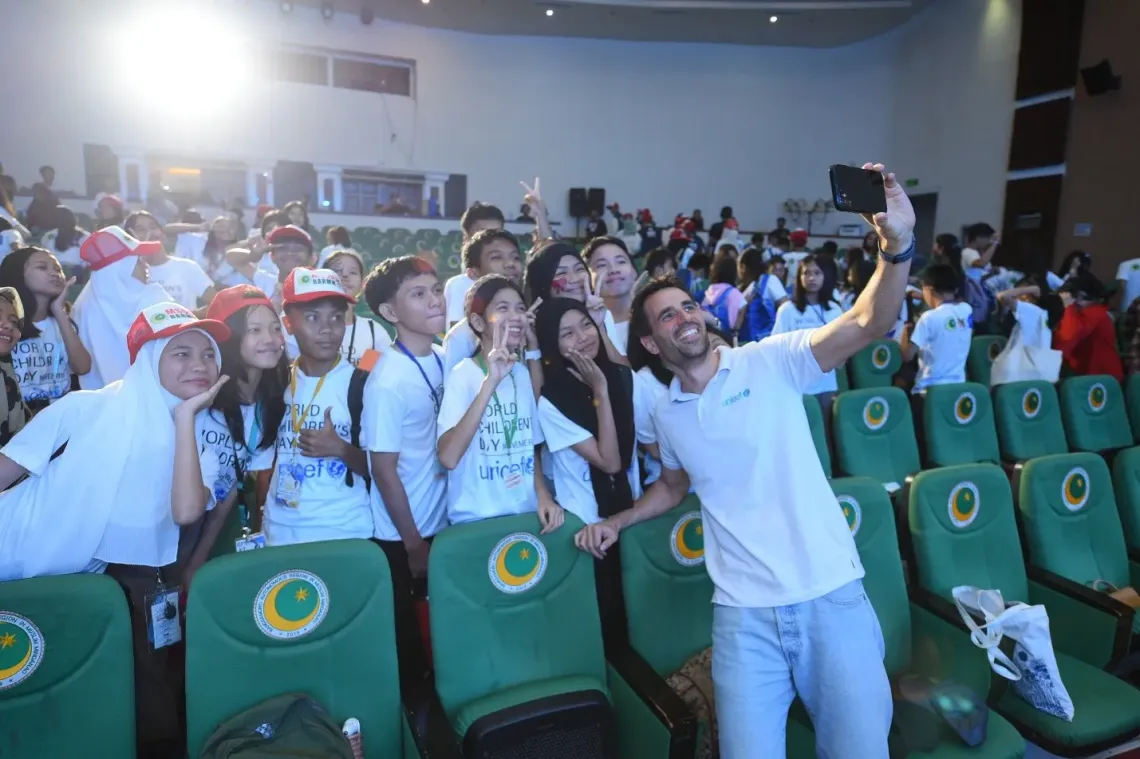
That message was echoed by children who gathered for the first Bangsamoro Children’s Congress in November 2025. Children representatives from across the region came together to discuss the issues affecting their lives and develop the Bangsamoro Children’s Manifesto.
What struck me was not only the urgency of their demands, but how practical they were.
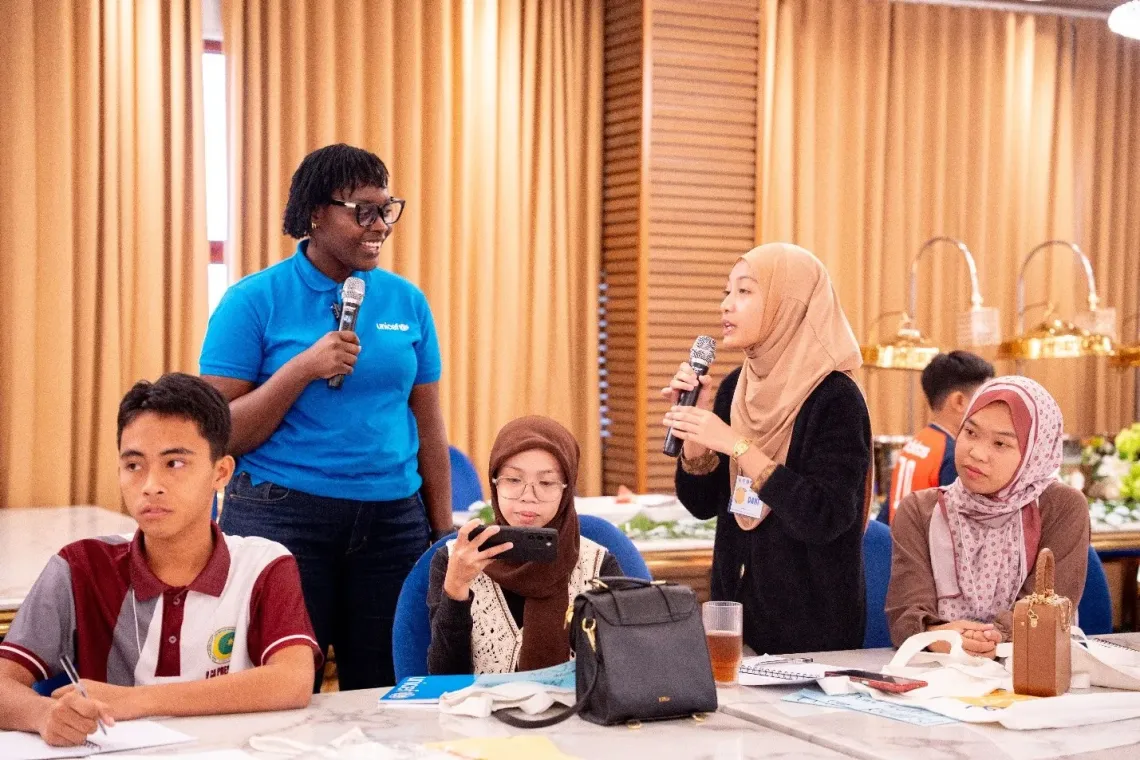
They want classrooms, teachers, and books. They want children to be able to travel safely to school. They want protection from violence, exploitation, child labour and child marriage. They want access to health and mental health services. They want communities better prepared for floods and other disasters.
Above all, they want armed conflict to end because, in their own words, violence destroys their homes, schools and dreams.
These demands remind us that the value of peace is ultimately measured not only in agreements signed or institutions established, but in what peace makes possible in people's everyday lives.
For many children in the Bangsamoro, that means the freedom to learn, to play, to be healthy, to feel safe, to dream big and to have a fair chance of turning those dreams into reality.
From peace to possibility
The generation born when BARMM was created is growing up. By the time this Parliament completes its term, children like Amina and her friends will be approaching adolescence.
What will their Bangsamoro look like then?
Will every child, especially those in remote island communities, have access to quality education, healthcare, nutrition and social services? Will girls be supported to stay in school, avoid early marriage and shape their own futures? Will children with disabilities be able to participate fully in their schools and communities? Will children experiencing violence find the protection and support they need?”
Will peace, not conflict, define their childhoods?
These questions extend beyond Parliament. Sustaining peace and improving children’s lives is a responsibility shared across the Bangsamoro.
But the decisions taken by the new Parliament will matter enormously.
Its laws, budgets, and investments will determine whether peace becomes something children can feel in their daily lives through better education, health, nutrition and protection in every province, municipality, island, and barangay.
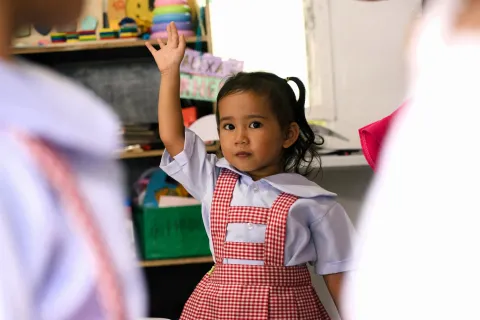
Because these decisions will shape their lives, children are asking to be part of these decisions. Their Manifesto calls for meaningful participation in decision-making bodies and forums, especially on matters affecting their lives.
We must heed their voices because they will inherit the outcomes of our decisions.
A generation that expects more
Perhaps one of the greatest signs of progress is that children growing up today can expect more.
A child should go to school, not flee from violence. A girl should be able to shape her own future. A young person should be free to pursue their ambitions without conflict limiting what they can become.
These are not overambitious demands, but the possibilities peace should bring.
BARMM was built through decades of negotiation and sacrifice. Its first elected Parliament now has the opportunity and responsibility to turn peace into better lives.
A child born in 2009 and a child born in 2019 may have experienced very different childhoods in the Bangsamoro. Our hope should be that a child born in 2029 inherits an even better one.
One where peace is the norm.
Where opportunity is shaped by children’s abilities, interests and aspirations, not birthplace, circumstance or past conflict.
And where leaders listen when children speak.
The generation growing up with the Bangsamoro has inherited possibilities that earlier generations worked hard to create.
Our responsibility now is to protect those opportunities and ensure they reach every child.
Andreas Wuestenberg is the UNICEF Philippines Chief of the Mindanao Field Office. UNICEF has been working in Mindanao, including the Bangsamoro region, since 2006 to advance the rights and well-being of every child.