The education they want
Two young Bangsamoro learners share what they hope for in their classrooms, their communities and their future

At 20, Rohamin Abdullah is determined to finish his studies and make his family proud, a dream he once feared he would never achieve.
“I am studying through my own efforts, so I am doing my best. I want my family to be proud of me,” he said.
This hope to return to school was born from hardship.
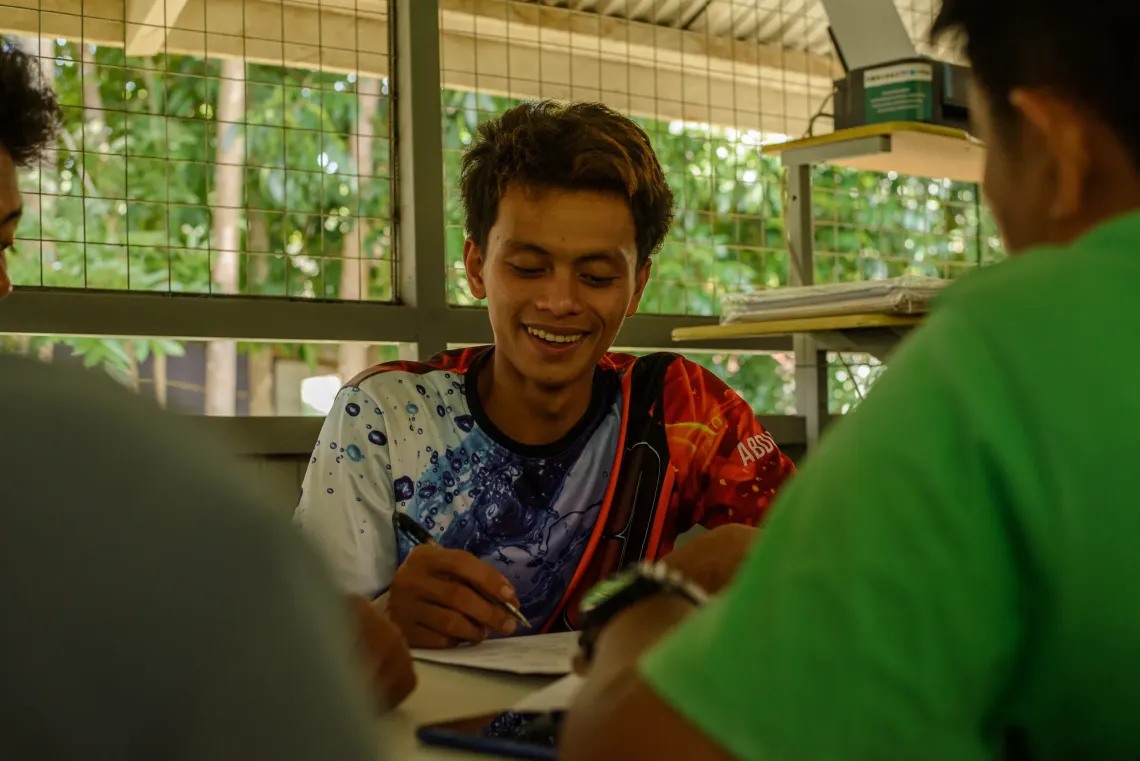
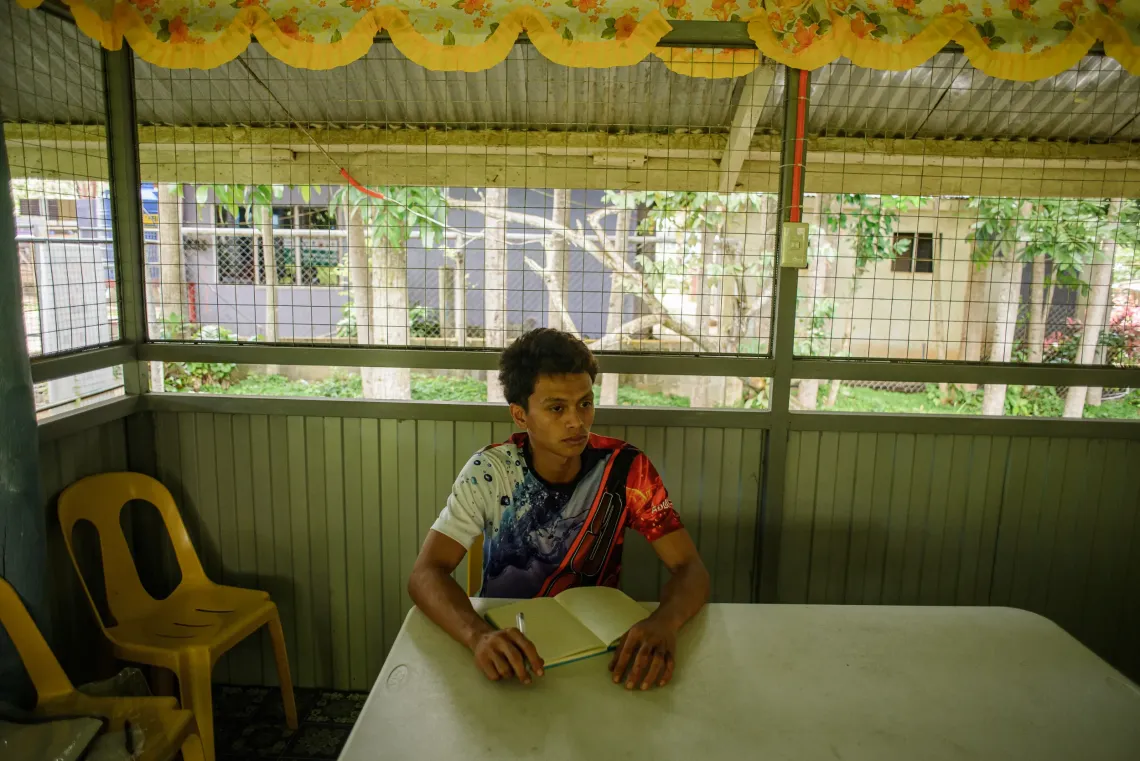
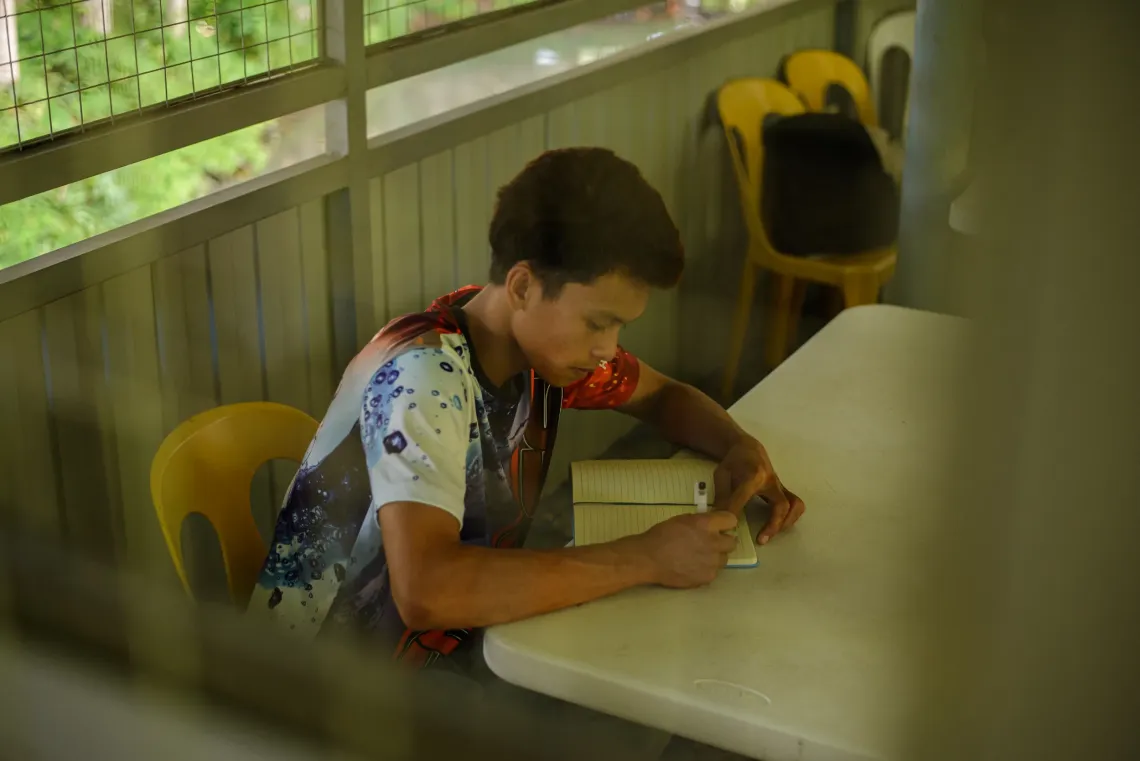
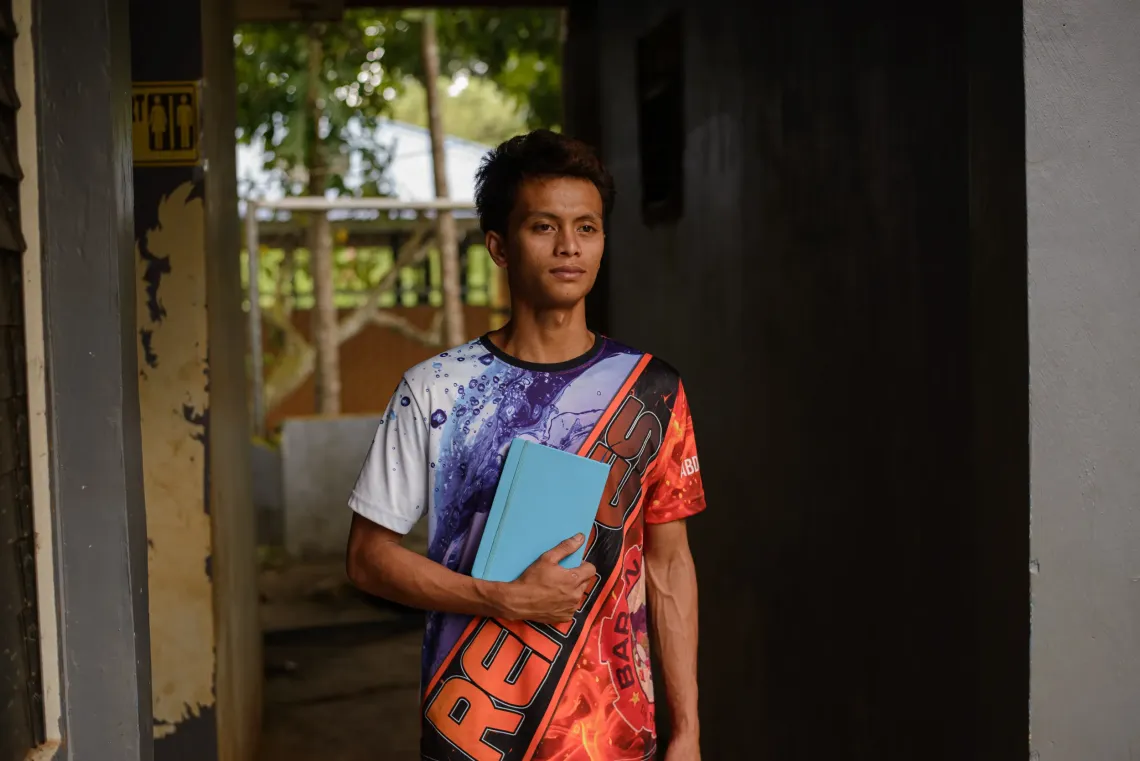
“I want to become a police officer so I can serve my community, help schools, and inspire learners to work hard in their studies,” he said.
Coming from his hardships, Rohamin hopes that future BARMM leaders can make education more accessible to children from impoverished families like his.
I hope the next leaders can provide quality education, make schooling accessible and affordable, and scholarships for poor families like ours.
A few kilometers away at Ranao Pilayan Elementary School, 10-year-old Sharmaine Guzman is a child from the Teduray indigenous community with her own hopes for education.
As a learner, she enjoys Araling Panlipunan (Social Studies), particularly lessons about their history.
“I want to know how they lived before,” she said.
Sharmaine also spends time helping classmates who are still learning to read. She teaches them what she knows while working on the subjects she herself finds difficult.
“I’m proud that I was able to help my classmates learn how to read,” she said.
But as Sharmaine grew more involved in helping her classmates, she also began to see beyond their individual struggles, recognizing the gaps in her school that made learning harder for many learners.
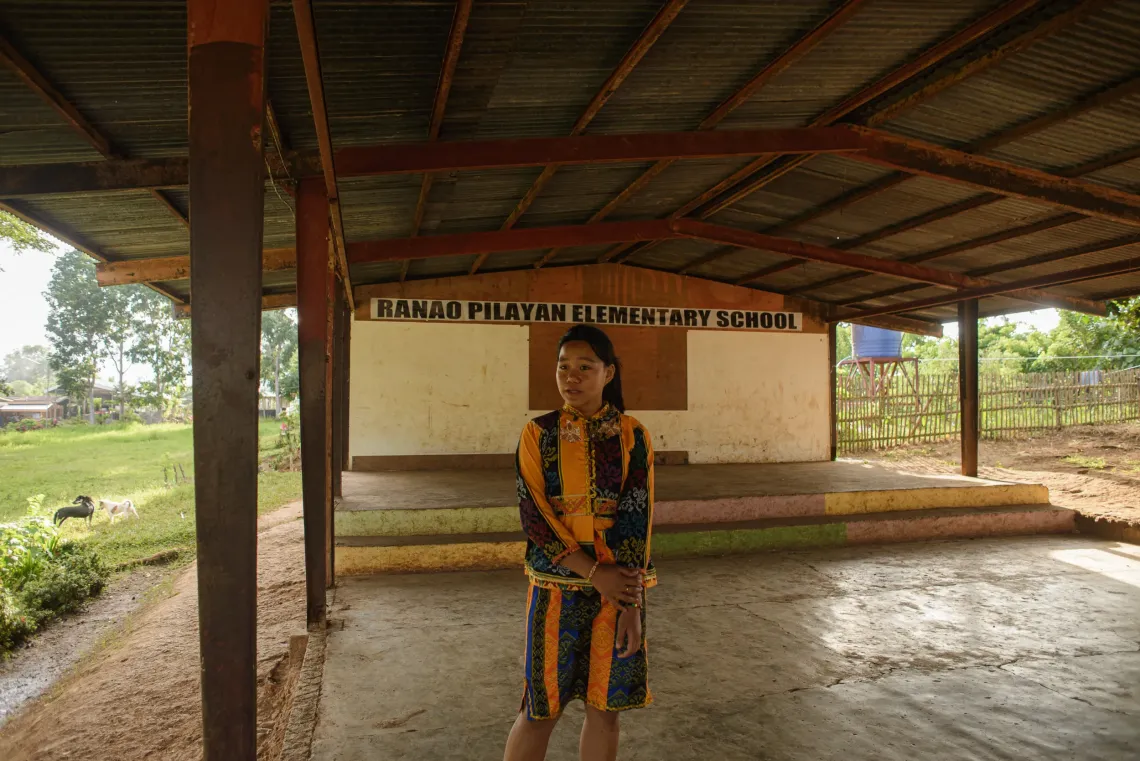
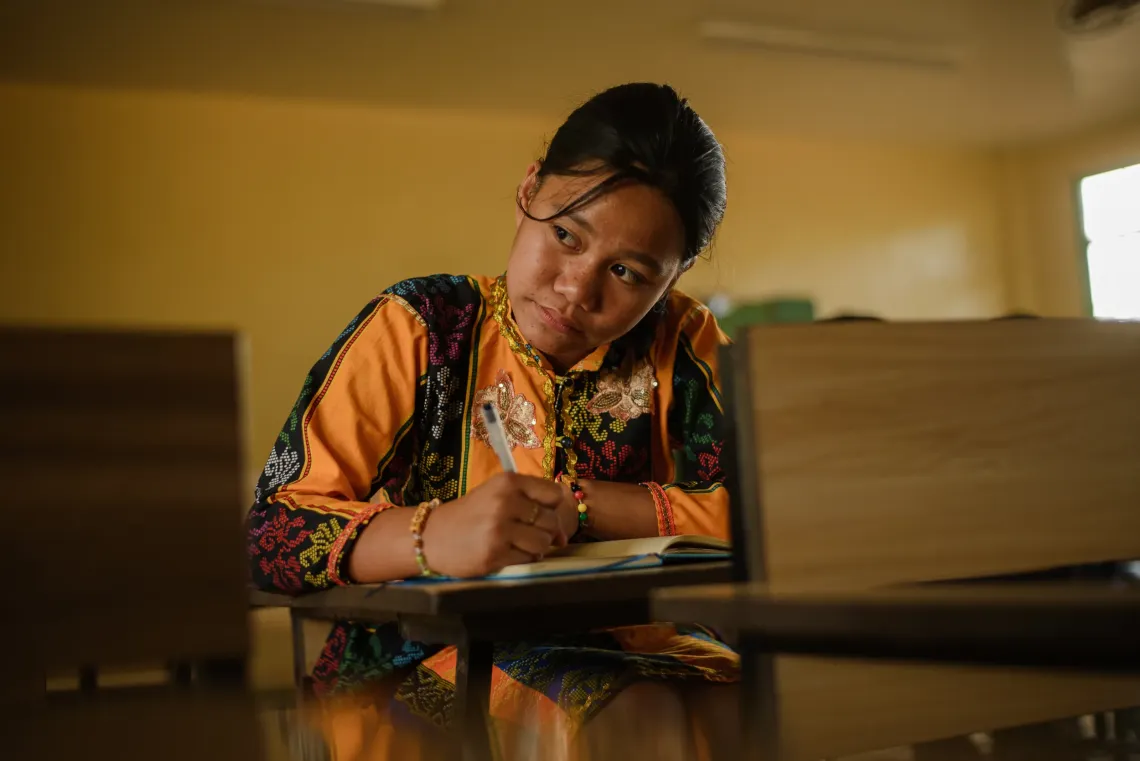
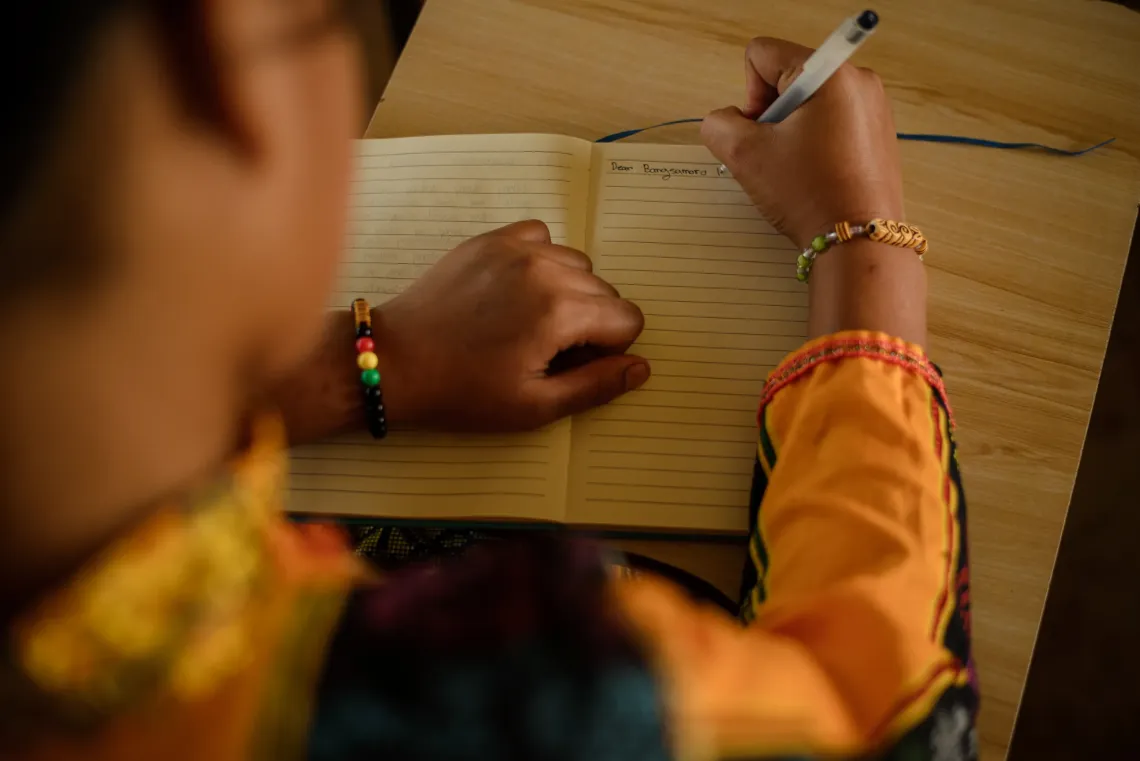
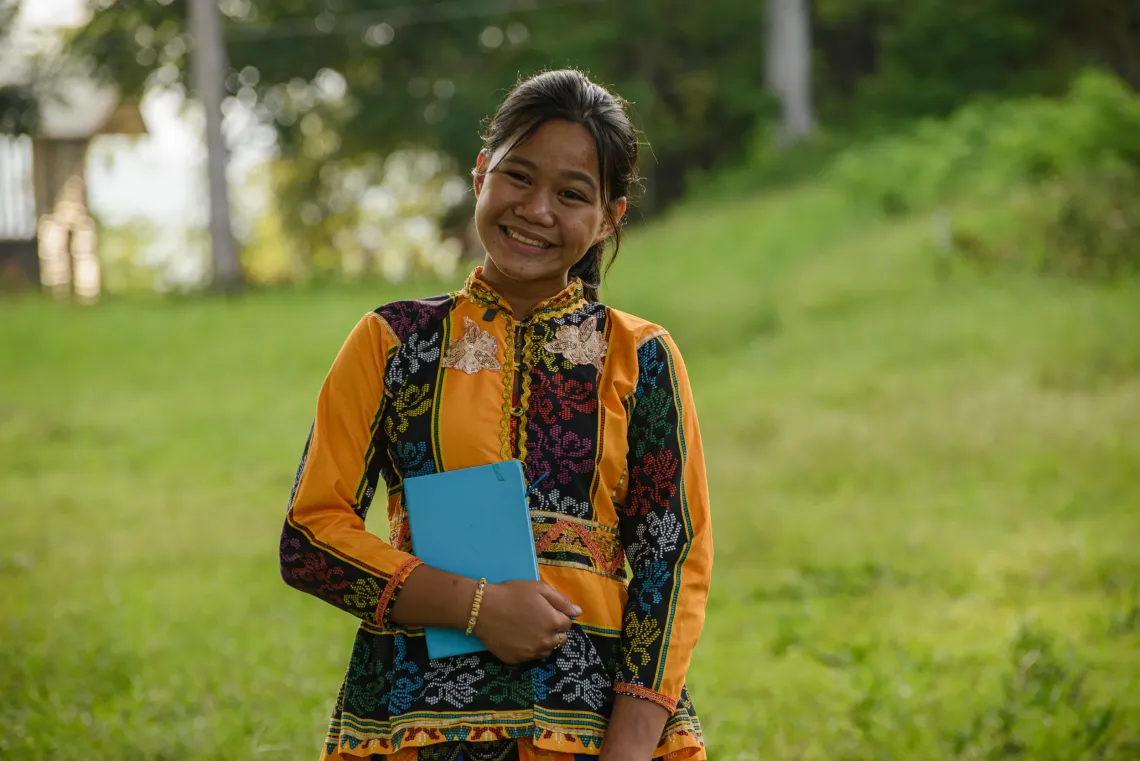
Children from indigenous groups often live in remote areas, which can make access to education more difficult.
“I hope we can have more teachers so they can give more attention to the children. Books alone are not enough to keep children interested in learning."
For her, a good school is not only a place where children learn, it is a place where they feel safe, heard, and supported.
At home, Sharmaine draws inspiration from her older sisters, who have all graduated despite their mother being the family's sole provider.
“Maybe I can also graduate from college,” she said.
For Sharmaine, that dream is closely tied to her vision for a better education—one where children are listened to and given the support they need to stay in school and succeed.
“It’s important to listen to the voices of young people so leaders will know what we still need,” she said.
What comes next
Rohamin knows what it feels like to lose the chance to study. Sharmaine knows what it means to sit in a classroom and see what it still lacks.
They are only two students in a region where children come to education with different stories, different barriers and different dreams.
For some, the hope is simply to stay in school. For others, it is to return. For many, it is to one day finish and become something they have imagined for themselves.
As the Bangsamoro moves beyond its first parliamentary election, its new leaders will shape far more than the region’s leadership.
Rohamin and Sharmaine already imagined the future they want, the next chapter is up to those who will shape it.