Turning evidence into action
What does the evidence that we have about food in and around schools actually mean for students?

The team from ‘Sami Frasheri’ high school in Kumanovo took findings from the assessment of school food environments and turned them into messages designed to get their peers thinking and talking.
The findings paint a clear picture. Only 35 per cent of schools provide meals, while 20 per cent sell food and drinks on school premises – with unhealthy options available in all of them. Almost all schools allow students to buy food from nearby shops during school hours, where unhealthy foods are widely available. The result is an environment where healthier choices are limited, while ultra-processed foods are often easy to find, heavily promoted and hard to ignore.
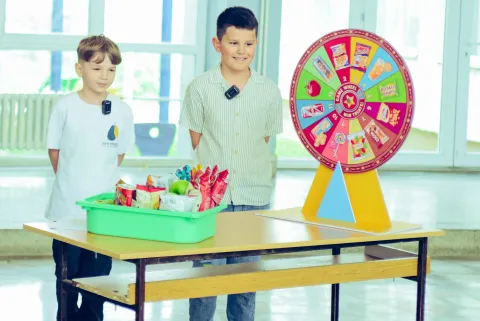
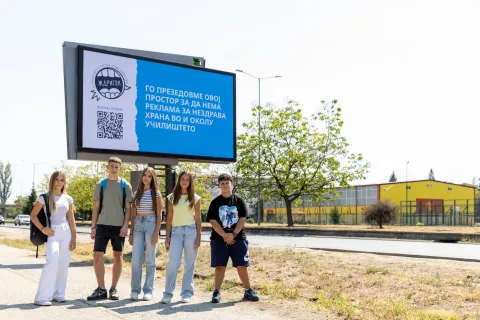
The students transformed these findings into a series of posters and social media posts that speak directly to their peers. The poster headline “100% disconnect” a play on “100% discount” challenges students to think about how promotions, discounts and eye-catching marketing can make ultra-processed foods feel attractive, affordable and normal, while disconnecting them from what their bodies need to learn, grow and feel well. By turning evidence into bold, relatable messages, the students made the findings easier to understand, harder to overlook and more likely to spark conversation in the places where food choices are made every day.
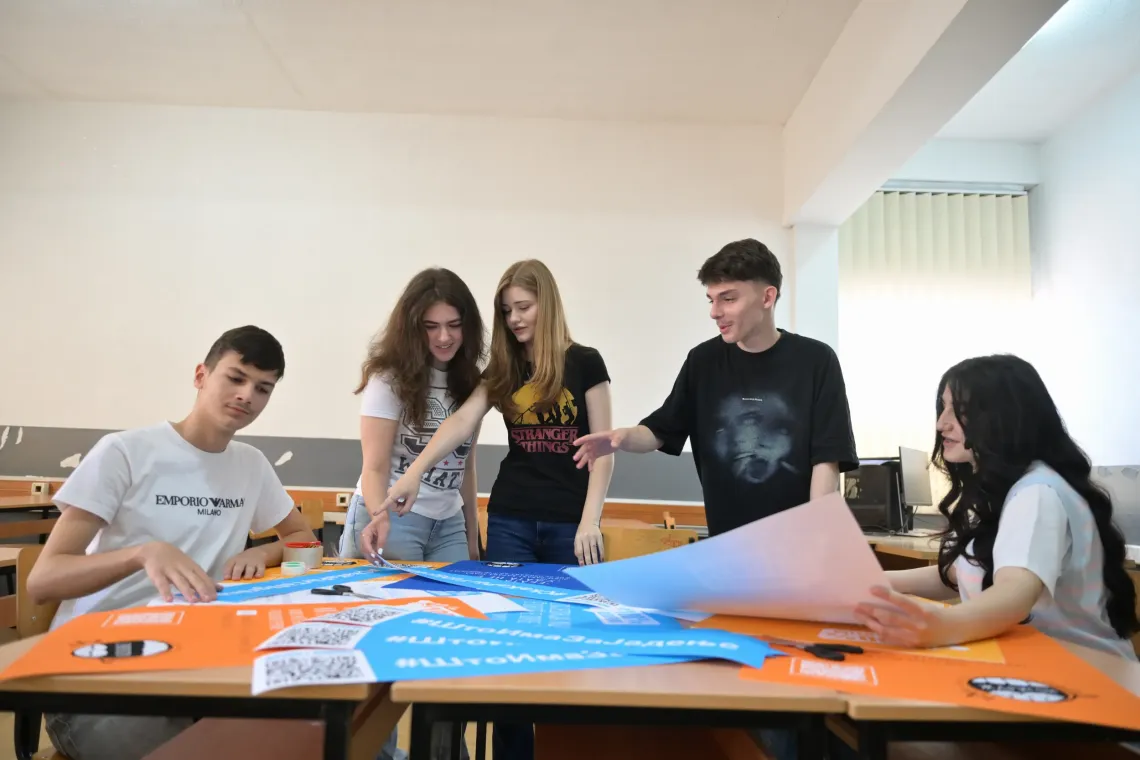
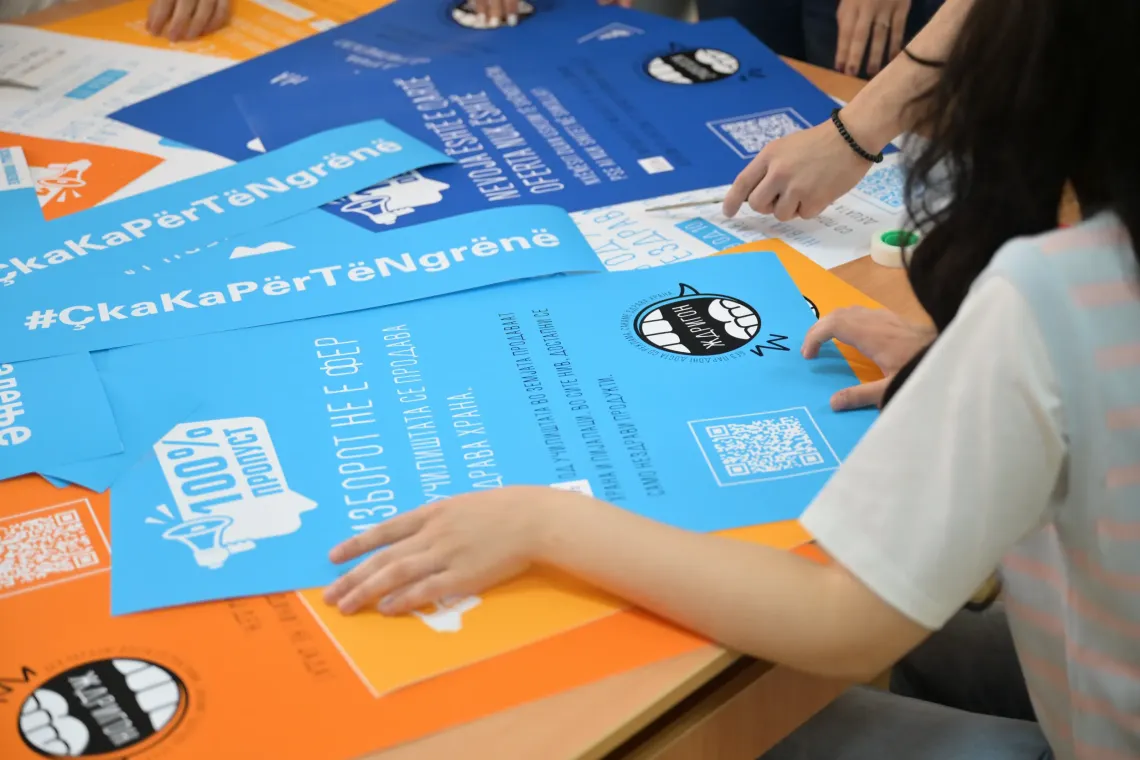
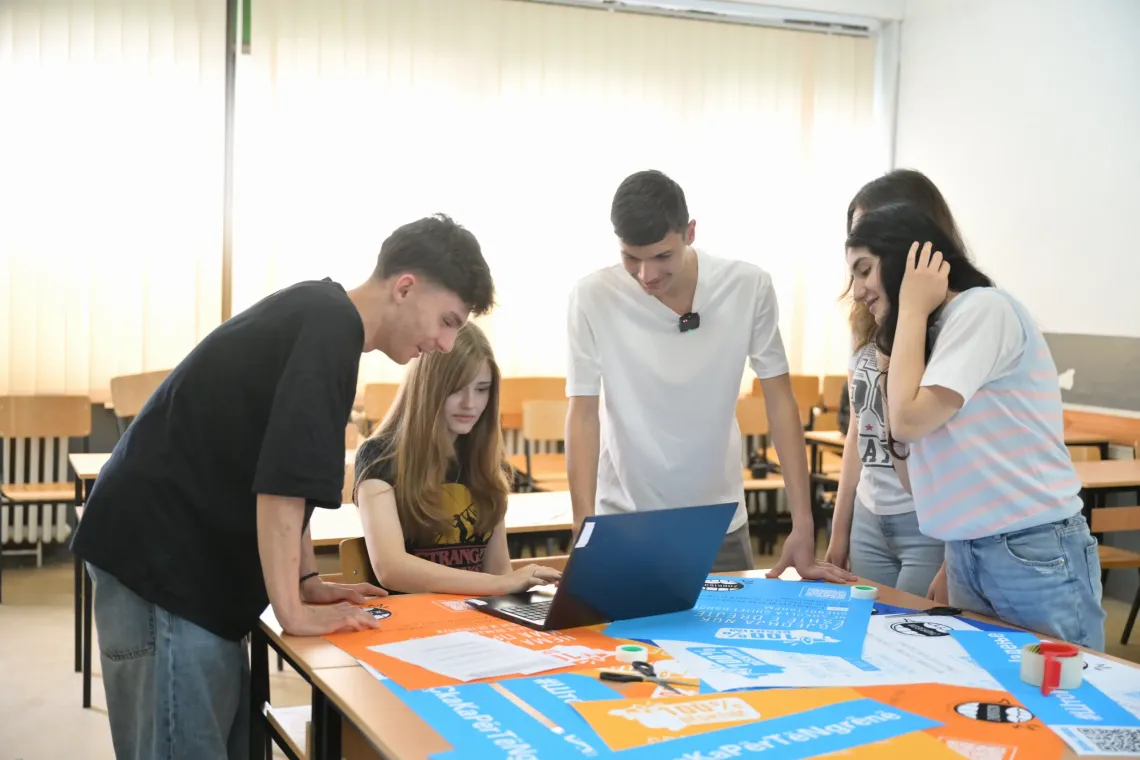
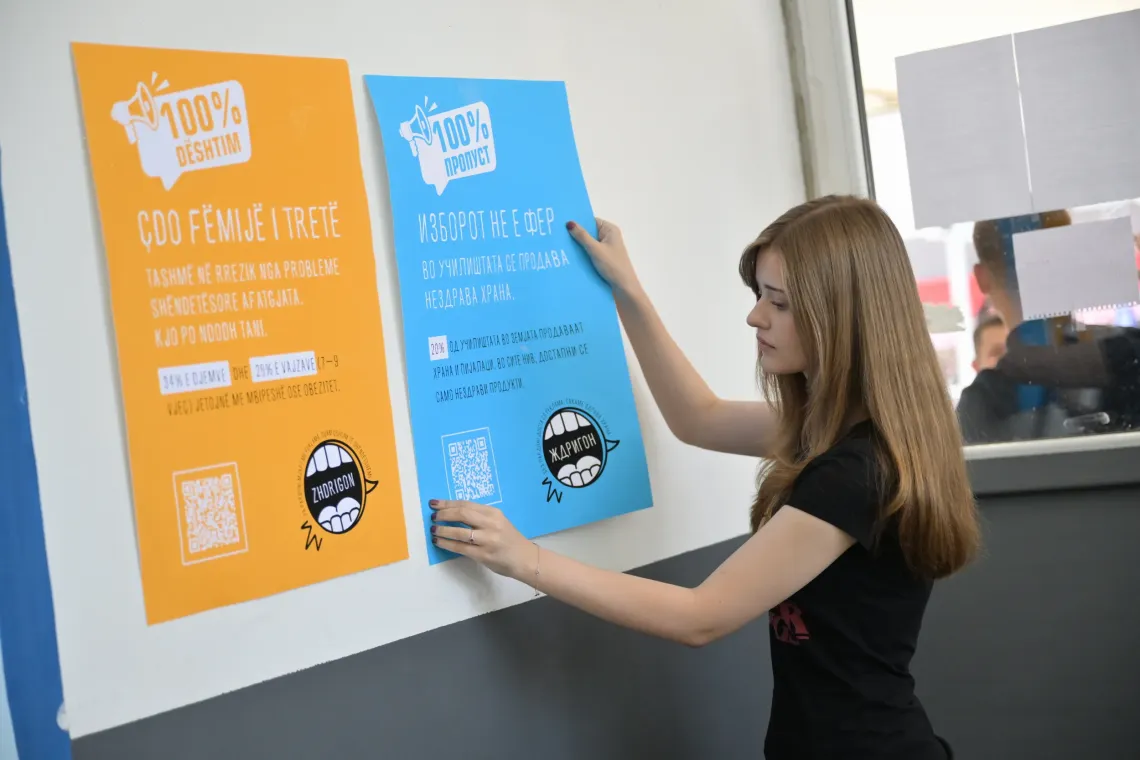
But the evidence is not relevant to just one school. The posters were also shared and displayed across the other schools taking part in the campaign, bringing the same questions to students in different communities: What food choices are children actually being offered? And does the environment around them make it easy to choose well?
By turning data into messages students encounter in their everyday surroundings, the team helped move the evidence beyond a report into the conversation about what needs to change.
Bring the conversation to your school
Want to get students in your school thinking about the food environment around them? Download and display the posters to share the evidence and start a conversation about what needs to change.
Here are some other ways you and your peers can engage:
🤳 Join the challenge: Share what food and drinks are being sold in and around your school and add your voice to #WhatsToEat.
🥪 Choose healthier options: Bring nutritious snacks and meals from home when possible and encourage your friends to try healthier alternatives too.
🍎 Share healthy ideas with your peers: Exchange simple, affordable recipes and snack ideas that are tasty, nutritious and easy to prepare.
📚 Become a food environment advocate: Use the campaign's ready-made materials to organize a classroom discussion or presentation (link) and help raise awareness among your classmates.
🏫 Speak up and get involved: Raise the issue with your school, student council or municipality. Share your ideas for healthier food options and suggest improvements to the school food environment.
🎯 Lead student action: Work with classmates to identify challenges in your school food environment and propose solutions that can be presented to school leaders.
📢 Spread the message: Like, share and repost campaign content. Encourage your friends, classmates and family members to join the conversation about healthier school food environments.
💡 Show what's possible: Organize a healthy snack day, recipe exchange, tasting event or other student-led activity that makes healthy eating fun and accessible.