What would children choose?
If children are offered a choice between snacks and an apple, what will they choose?

- English
- Македонски
If children are offered a choice between snacks and an apple, what will they choose?
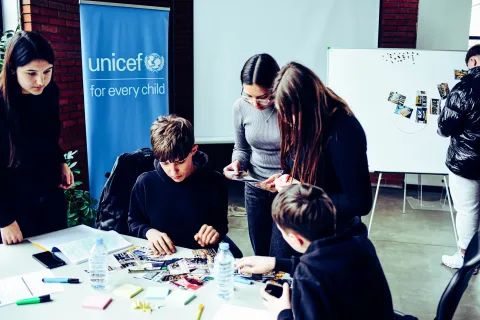
The team from Imrije Elezi’ primary school in Skopje decided to put this question to the test and run a social experiment in their school.
They invited other students to take part in a simple spin-and-win game, with different foods appearing as possible prizes. But there was a twist: the wheel was designed to always land on an apple.
Will children take another spin to win a snack, or are they happy with their apples? Check the video to find out.
The experiment created an opportunity to talk about something children experience every day. What we eat is influenced by what is available, visible and easy to access.
When sugary drinks, snacks high in fat, sugar, and salt, and ultra‑processed foods are cheaper, easier to find and more visible than fruit, vegetables, and freshly prepared food, unhealthy options become the default choice.
This isn’t about choice. It’s about what’s available. Children will choose healthy food when they have a real chance.
Protecting children from unhealthy food environments is not about restricting choice, it is about creating conditions where healthy choices are the easy, normal choice.
Let’s create food environments in schools that protect children and support healthy choices. It’s time for stronger rules on what food can be sold and advertised in schools.
How can schools take action?
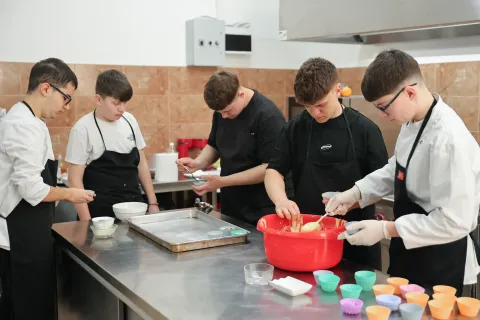
🍎 Make healthier choices available: Fresh fruit, vegetables and free drinking water to be available every day at affordable prices.
👀 Make healthier choices easier to see: Place fruit, water and other nutritious options at eye level and in the most prominent positions at points of sale.
↘️ Remove ultra-processed food from school premises or at least reduce the options and make them less prominent: Remove or reduce the number of sugary drinks, salty and sweet snacks, and other ultra-processed products available in your school.
🙋♀️ Engage parents and Parent Councils: Discuss this issue on the next Parent Council meeting and how parents can support healthier food environment in the school. They can propose changes for the School Board to approve and implement.
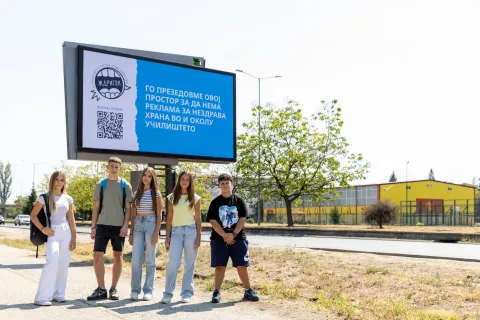
📣 Limit unhealthy food marketing: Limit advertising, sponsorship and promotion of foods high in sugar, salt or unhealthy fats on school premises and at school events.
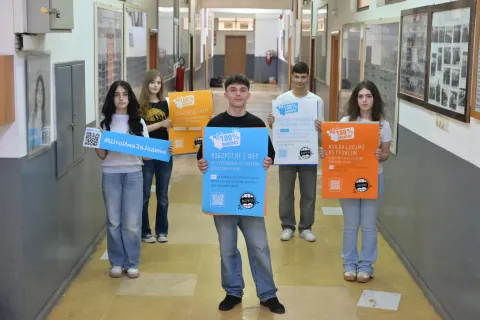
🏫 Join the campaign: Schools can help create healthier food environments by engaging students, parents and staff in conversations about food choices and school surroundings.
🎯 Support student action: Encourage students to participate in the #WhatsToEat challenge and share their ideas for improving the food environment in and around their school.