World Obesity Day: UNICEF calls for action to transform school food environments

- English
- Македонски
- Shqip
Skopje, 4 March 2026: “On World Obesity Day, UNICEF calls for action to improve school food environments in North Macedonia, as childhood overweight and obesity continue to rise during the early school years, a critical period for establishing life-long eating habits.
“Recent data show that 34 per cent of boys and 28.3 per cent of girls aged 7–9 years are living with overweight or obesity. While children would benefit from more physical activity in school, insufficient exercise is not the main driver of current trends – over 90 per cent of children engage in at least one hour of active play or vigorous activity each day, according to parents.
“Instead, unhealthy food environments are shaping children’s diets. Nearly one in three children regularly consume sugar‑sweetened soft drinks, while more than three‑quarters do not eat fruit and vegetables every day, indicating that healthy foods are not part of children’s daily routines.
“School plays a critical role in shaping dietary behaviours. A UNICEF assessment of school food environments show where food is available in schools – through school meals or on-site food outlets-, unhealthy options, such as sweetened beverages and salty and sweet snacks, are widely present.
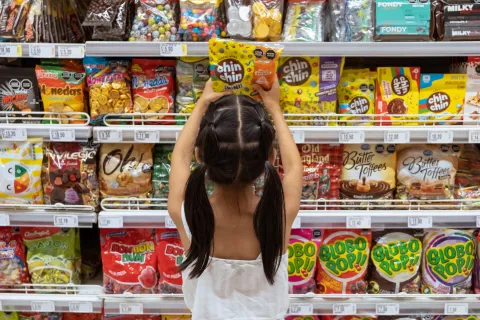
“These findings highlight the food environments surrounding children are undermining healthy diets. When unhealthy foods are cheap, widely accessible and heavily promoted - while nutritious options are limited - children’s health suffers.
“UNICEF calls on the country to restrict the sale of ultra‑processed foods and sugary drinks inside schools, strengthen regulations on food and beverage marketing to children, and invest in nutrition education that helps children learn about healthy eating.
“This is particularly important considering that the estimated economic cost of overweight and obesity is around 5% of GDP – approximately 482 million EUR, or 241 EUR per person per year.
“Global experience shows that change is possible. UNICEF evidence from countries that have restricted unhealthy food sales and marketing inside schools demonstrate improvements in children’s diets and reduced consumption of sugary drinks and ultra‑processed foods.
“Protecting children from unhealthy food environments is one of the most effective actions to prevent obesity and support lifelong health.”
Notes to editors:
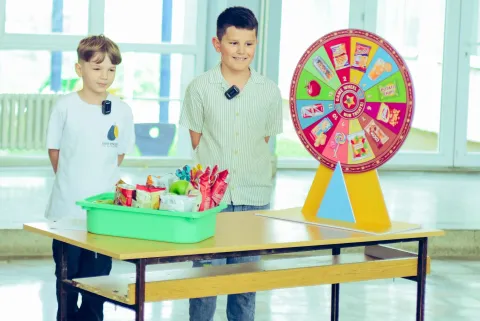
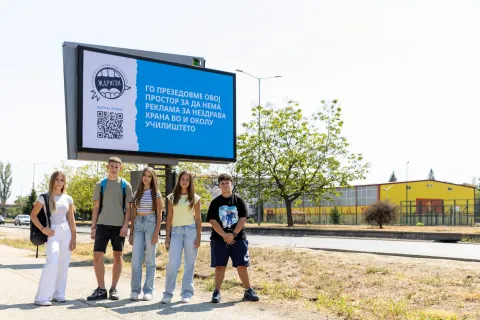
UNICEF, in partnership with the Ministries of Education, Science and Health, is collaborating with five schools in Skopje, Kumanovo, Veles, and Shtip to develop initiatives that promote healthier food choices. Students, parents, and teachers are working together to raise awareness, involve local authorities, and advocate for nutritious options while limiting unhealthy food marketing. This approach aims to build public support for policies that make it easier for children to make healthy choices in schools.
Media contacts
About UNICEF
UNICEF, the United Nations agency for children, works to protect the rights of every child, everywhere, especially the most disadvantaged children and in the toughest places to reach. Across more than 190 countries and territories, we do whatever it takes to help children survive, thrive, and fulfil their potential.