Skill and Mental Health Support for Fanne
With support from UNICEF, Borno Government and the Norwegian Ministry of Foreign Affairs, an adolescent who escaped captivity in northeast Nigeria finds community and empowerment.
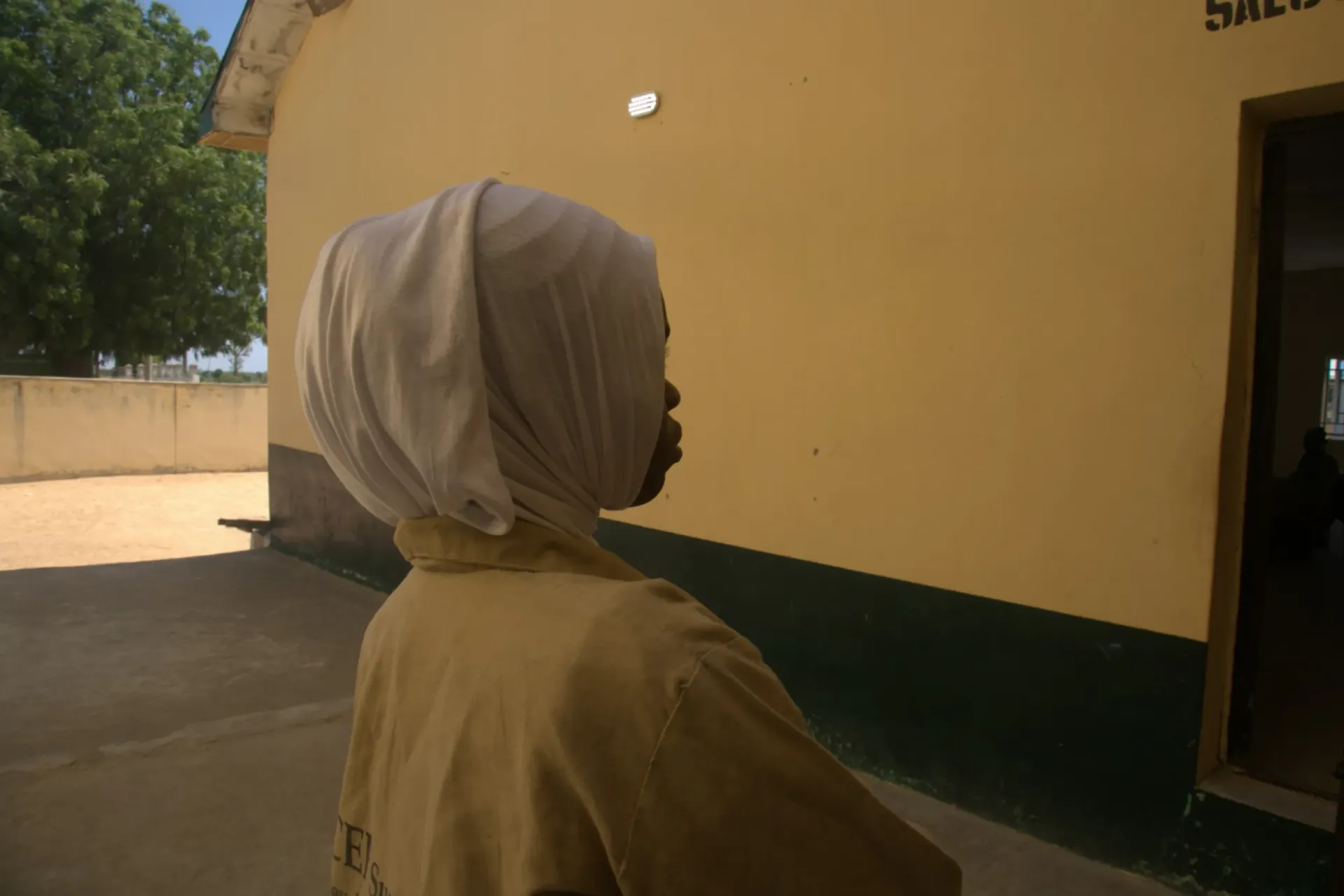
Every morning in Bama, northeast Nigeria, an 18 year old young woman everyone now calls Fanne walks through the gates of the Zainab Gimba Vocational Training School and breathes a little easier. The classrooms, the hum of sewing machines, the easy banter of other girls, all of it reminds her that life can look different from the one she was forced into as a child.
Only 18 years old and of average height, Fanne has lived through what many would not survive. She was abducted by armed groups, cut off from her parents and family, and forced into marriage four times while in captivity.
“I was born in Busoye, a village near Bama. When our village was attacked, I was kidnapped and taken into the bush. I really suffered in the bush. I was 12 years when I was first married off to a commander. When he died during a battle with the military, I was married off to another commander.When he also died in a battle, I was married off again to another commander. The ordeal continued until I had had four husbands in the bush,’’ said Fanne.
Across northeast Nigeria, the words bush and forest have taken on a new meaning. They no longer describe only trees and shrubs, they have become a way for people to talk quietly about the camps and hideouts controlled by armed groups, places where children and young women are held against their will.
As painful as it is, what happened to Fanne is the everyday story of many adolescent girls in northeast Nigeria, especially around Bama, where conflict has torn families apart for more than a decade.
Weeks after giving birth to her son, Fanne decided she could not endure captivity any longer. Together with four other girls, she planned her escape and fled. When they finally reached Bama, exhausted but determined, they were profiled by the military, then handed over to the Borno State Government for further support.
“I still cannot locate my parents or any direct family member. But I have been fortunate to have the support of community members and the government. Life in the bush was all about suffering and beating for any slight mistake. I could not endure it anymore,’’ she said.
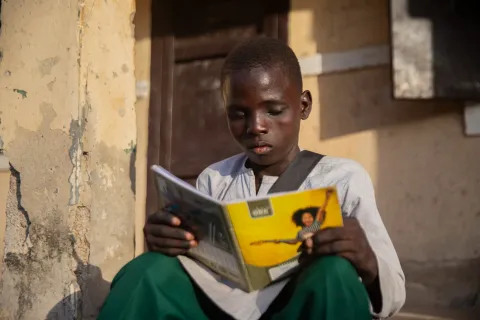
More than 15 years after armed conflict broke out in northeast Nigeria, it is girls, boys and young women who still carry the deepest scars. Like Fanne, they return from captivity broken, abused and traumatised, trying to rebuild their lives while the conflict continues around them.
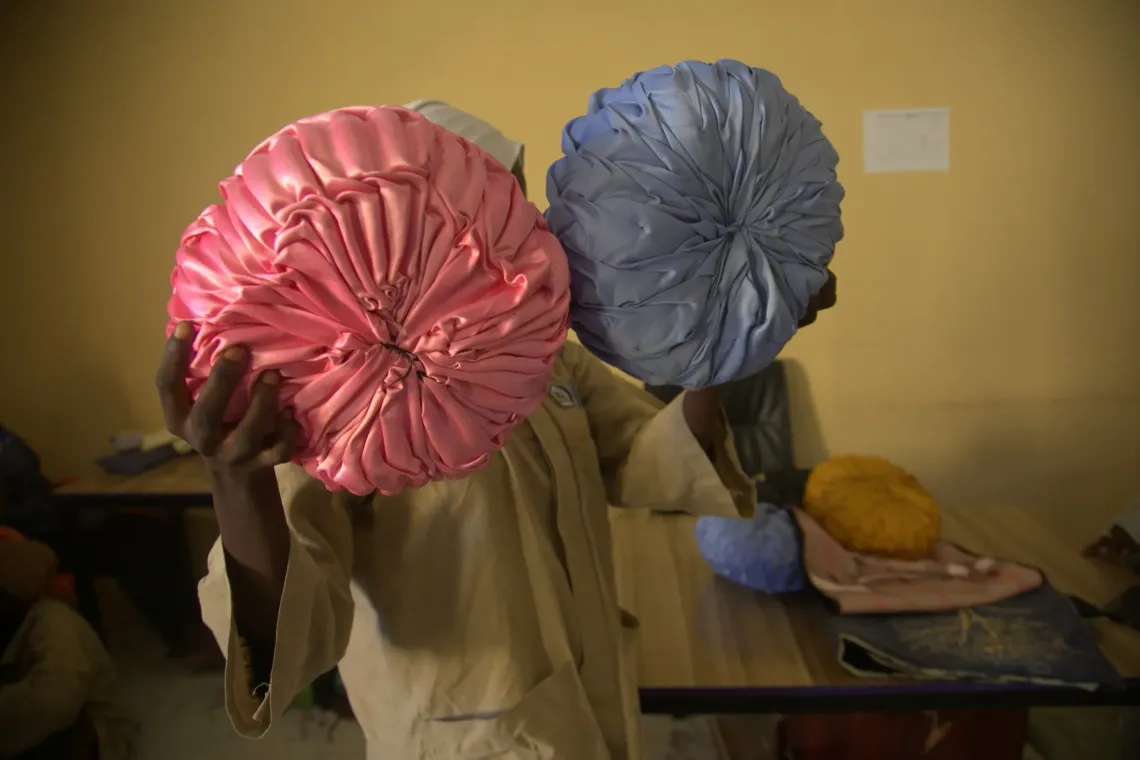
Today, Fanne and her two year old son live with a foster family in Bama. Her days are spent at the vocational centre, learning new skills and slowly building her confidence. In the evenings, she returns home to care for her child and to fight off the nightmares that still visit from time to time.
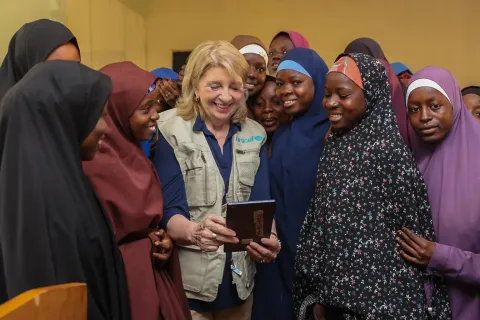
For Fanne and many girls like her, the Zainab Gimba Vocational Training School is much more than a place to learn tailoring or hairdressing. It is where frozen dreams start to move again, where girls who once felt they had no control over their lives begin to imagine a different future.
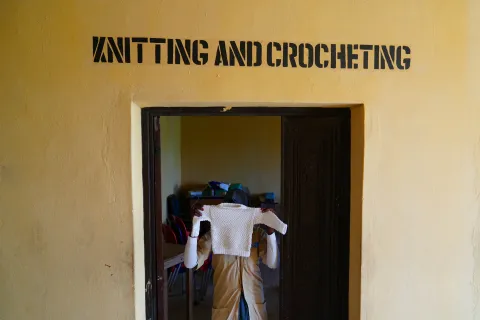
UNICEF, in collaboration with the Borno State Government and the Norwegian Ministry of Foreign Affairs, is helping to give those futures a shape. At the centre, adolescent girls receive training in tailoring, hairdressing, knitting, embroidery and other trades that can help them earn an income and stand on their own feet.
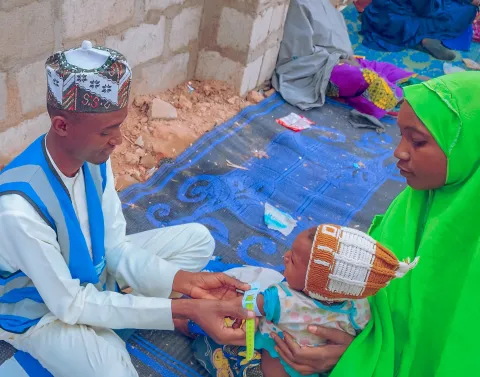
Under the Safe and Inclusive Learning and Skills for All, SILSA, project, UNICEF is also providing starter packs so that girls can begin small businesses once they graduate. They receive dignity kits, case management support and mental health and psychosocial care to help them deal with the trauma they have lived through.
“My life today is certainly better than before,’’ said Fanne. “Once I graduate from the centre, I plan to open a shop, save some money and enroll my son in school when he is of age. I have also made some new friends and I plan to continue to stay in touch with them,’’ she added.
From the bush to the classroom, from forced marriage to planning her own business, each stitch Fanne makes on her sewing machine is a small act of defiance, and a quiet promise that her story, and the stories of other girls like her, do not have to end in captivity.