She Knew Something Was Wrong. Acting Quickly Helped Save Her Baby
When a mother's concern led her to seek help, timely screening and treatment changed the course of her baby's health.
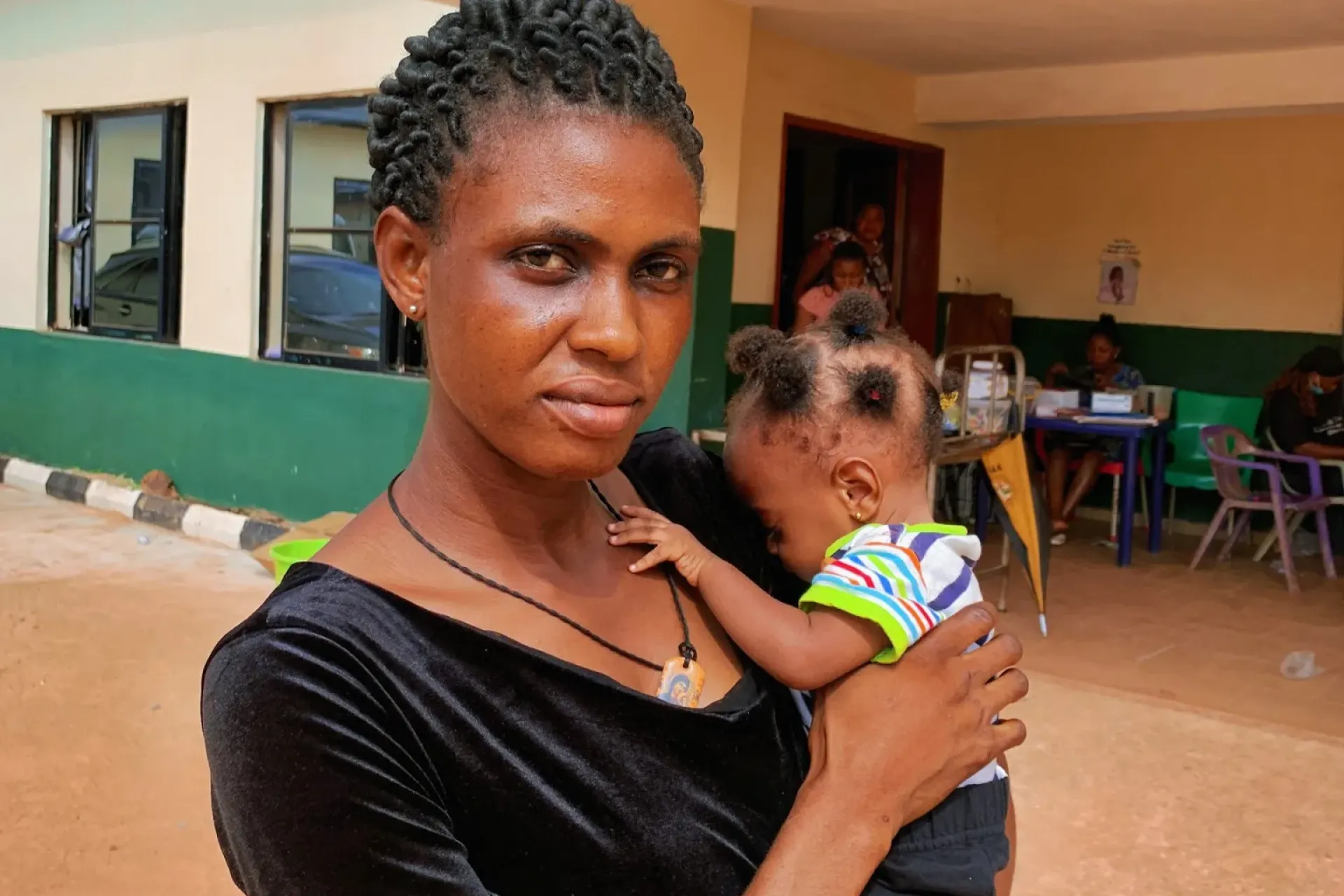
When six-month-old Chisom stopped feeding well and began losing weight, her mother knew something was wrong.
Each day, the little girl became weaker. Nothing her mother, Mrs. Chinwendu Igwe, tried seemed to help. Living in Abakpa Nike Community in Enugu State, she worried as her daughter grew thinner.
Then a neighbour, affectionately known as Mama Nnenna, shared something that would change everything.
She told Mrs. Igwe about the nutrition services available at the nearby Abakpa Nike Primary Health Centre, where children could be screened for malnutrition using a simple Mid-Upper Arm Circumference (MUAC) tape and, if needed, receive life-saving treatment and nutrition support.
Mrs. Igwe did not wait.
She picked up her baby and headed straight to the health facility.
Health workers welcomed her, examined Chisom and immediately carried out a nutrition assessment. They measured the baby's MUAC, counselled Mrs. Igwe on breastfeeding, infant feeding and good nutrition, and explained the next steps to help her daughter recover.
"I was worried because my baby was not eating well and seemed to be getting weaker every day," Mrs. Igwe recalls. "When Mama Nnenna told me about the services available here, I came immediately. The health workers examined my baby, explained everything to me and showed me what I needed to do. I left feeling relieved because I knew my daughter was finally getting the help she needed."
For Mrs. Grace Ngozi Nwobodo, the Officer-in-Charge of the health facility, stories like this show why early detection matters.
"Many children recover fully when malnutrition is identified early," she says. "We now have the skills and confidence to identify children at risk, provide treatment, counsel caregivers and support families before a child's condition becomes severe."
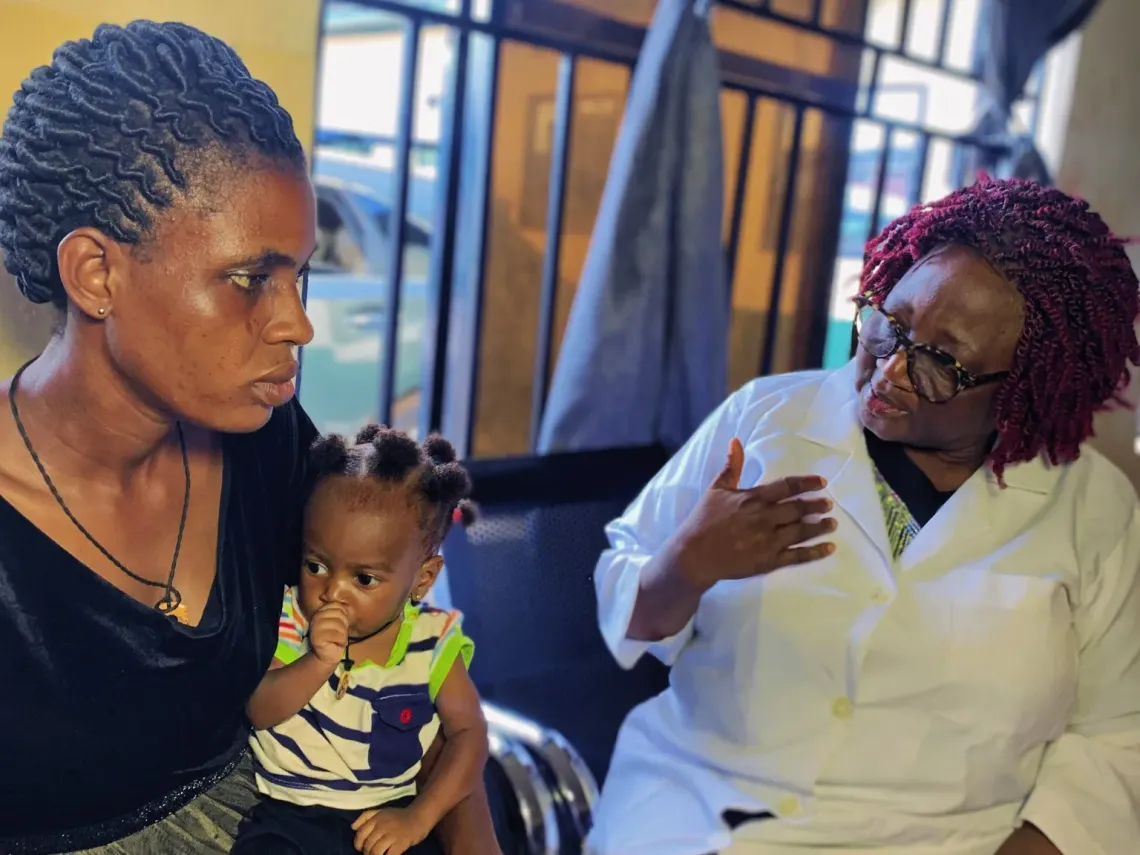
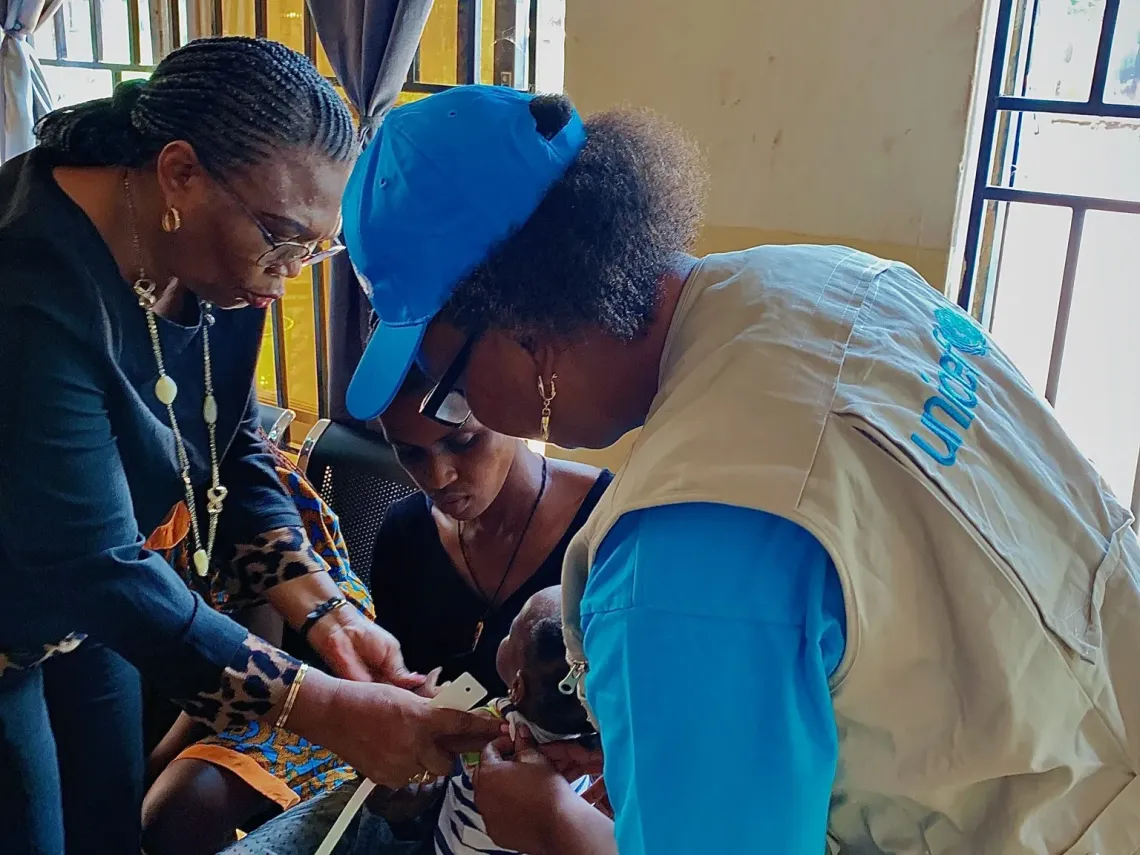
Mrs. Nwobodo is one of more than 100 frontline health workers across Enugu State recently trained by UNICEF and the Enugu State Primary Health Care Development Agency to prevent, detect and manage child malnutrition. The training was supported by the Child Nutrition Fund and the United States Government, helping strengthen nutrition services in communities where families need them most.
For UNICEF, building the capacity of frontline health workers is one of the most effective ways to protect children during the critical first years of life.
"Many cases of malnutrition can be prevented or treated successfully when caregivers seek help early," says Mrs. Ngozi Onuora, Nutrition Specialist, UNICEF Nigeria. "We encourage parents and caregivers to use the nutrition services available at their primary health care centres. Early action can make the difference between a child falling seriously ill and a child growing up healthy."
As Mrs. Igwe leaves the health centre with her daughter in her arms, she carries something she did not have when she arrived: hope.
She now knows the warning signs to look out for, where to seek help and how to give her daughter the nutrition she needs to grow healthy and strong.
For one mother, a neighbour's advice, a simple MUAC tape and timely care helped change the course of her baby's future. Across Enugu State, thousands more families are being reached with the same life-saving support, giving more children the healthy start every child deserves.