A School in the Cloud
How digital learning is reshaping girls’ education in Nigeria

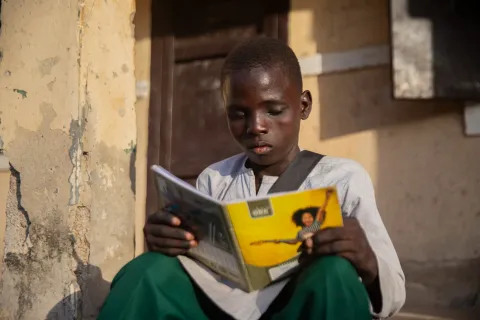
Every morning, 15-year-old Khadija Abubakar walks to school with one quiet certainty, education is her pathway to a safer, more independent future.
A student at Government Girls Day Secondary School in Sokoto State, Khadija understands what is at stake. For many girls in northern Nigeria, education is not just about learning, it is protection against early marriage, unemployment, and long-term vulnerability.
Her school sits inside the old city walls of Kofar Marke, close to the Sultan’s Palace. While the surroundings are historic, the challenges are modern. Insecurity, limited infrastructure, and the high cost of extra lessons often leave motivated students struggling to keep up.
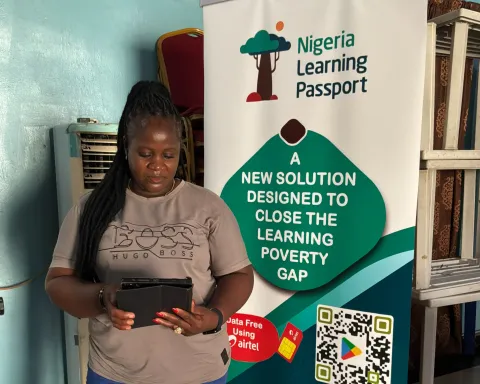
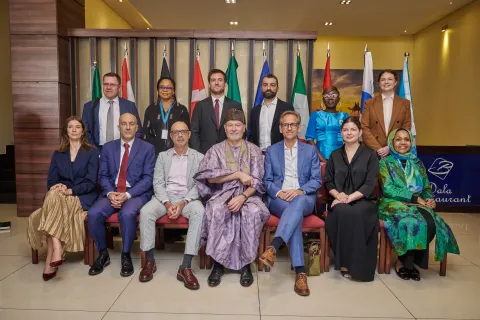
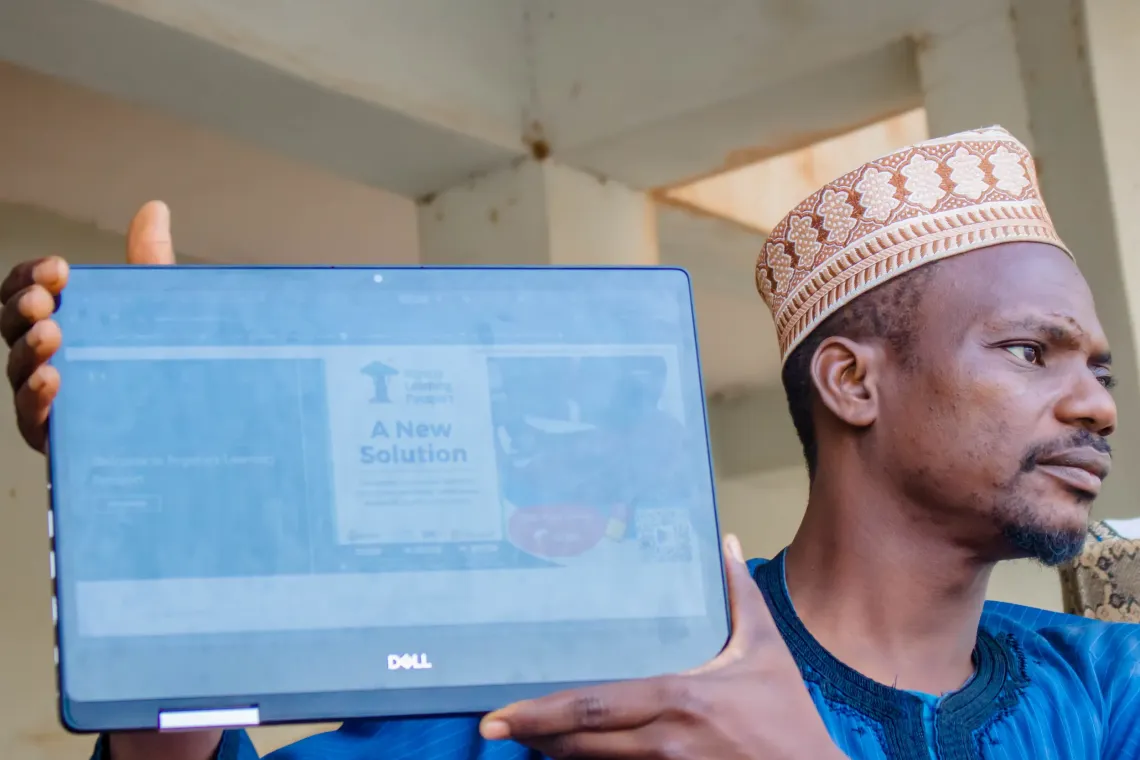
That reality began to change with the introduction of the Nigerian Learning Passport (NLP), a cloud-based digital learning platform supported by European Union and implemented with UNICEF to expand access to quality education and 21st-century skills.
“Before, if I didn’t understand a subject, I just moved on,” Khadija says. “We couldn’t afford extra lessons.”
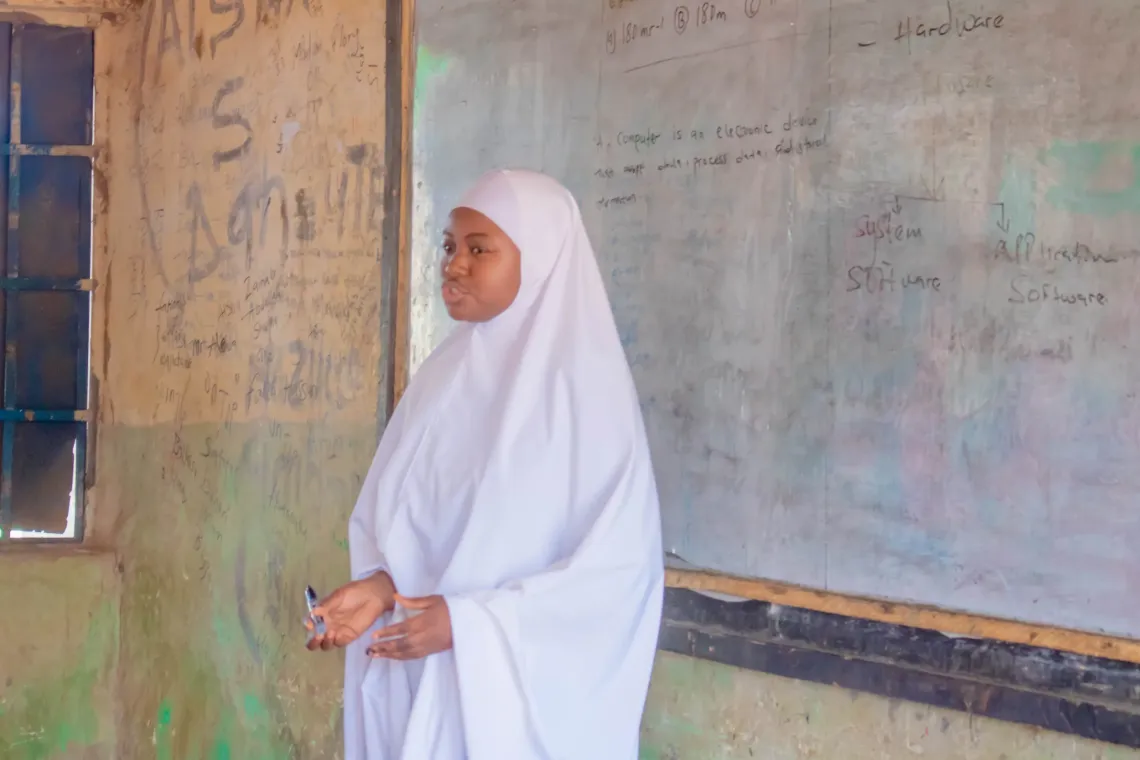
With access to digital lessons and interactive resources, Khadija now studies independently and with her peers, completing assignments and revising concepts at her own pace. “My confidence has improved,” she adds. “Learning is easier and more enjoyable now.”
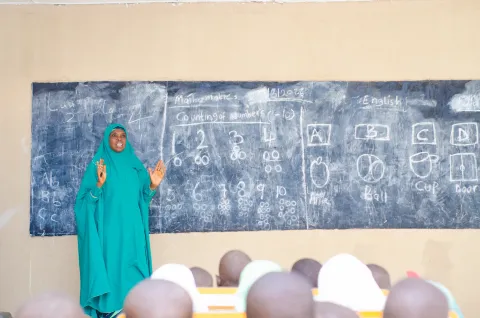
Teachers at the school say the impact has been immediate. According to head teacher Malama Asmau Ahmad, the platform has introduced new teaching approaches and subjects, helping both teachers and students engage more actively in the learning process.
The benefits extend beyond the classroom. At home, Khadija introduced the platform to her guardian, Abdullahi Rilwanu, who enrolled and began exploring courses himself. Today, the Nigerian Learning Passport has become a shared learning tool for the family, supporting lessons for Khadija and her younger siblings.
In Sokoto State alone, more than 9,000 girls enrolled on the Nigerian Learning Passport in 2025, with efforts underway to reach many more.
For Khadija and thousands of girls like her, education is no longer confined to four classroom walls. It now lives in the cloud, opening doors, strengthening resilience, and helping ensure that no girl is left behind.