The Day Mrs Henry Realised Her Classroom Could Reach Beyond Its Walls
From uncertainty to confidence, an Imo State teacher embraces digital learning to ensure no child is left behind.
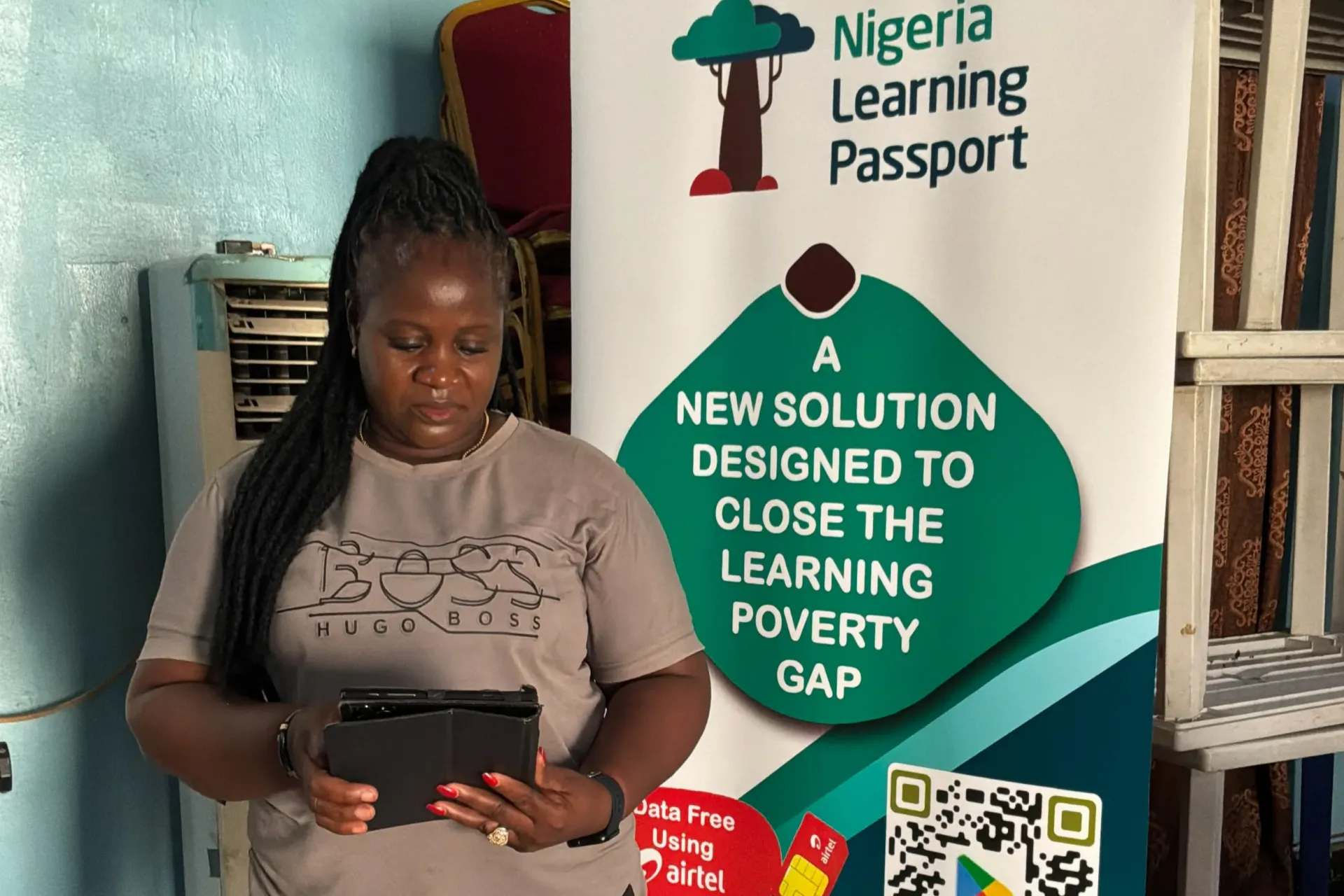
The last bell had rung, but Mrs Obiageri Henry was still sitting in her classroom. The wooden desks stood empty. Exercise books were stacked neatly on a corner table. Outside, children were already making their way home along the dusty roads leading to villages scattered across Imo State.
For years, this had been her routine.Teach the lesson. Give the assignment. Hope the children understood.
Hope they remembered. Hope they came back tomorrow.
As a teacher at Central School Amaokpara in Nkwere Local Government Area, Mrs Henry had seen first-hand how easily children could fall behind. A sick child might miss a week of classes. Another might struggle to keep up because there were few learning materials at home. Some simply needed more time than the school day allowed.
"Sometimes you wish you could do more for them," she says. "You know they are capable. They just need more opportunities to learn."
That opportunity arrived in an unexpected way. Earlier this year, Mrs Henry joined dozens of teachers from across Imo State for training on the Nigeria Learning Passport, a digital learning platform designed to help children continue learning wherever they are.
At first, she was nervous.
"I am not from a generation that grew up learning with technology," she admits with a laugh. "When they introduced the platform, I wondered if I would be able to use it properly."
She was not alone. Around the training room, many teachers shared the same uncertainty. They were experienced educators, passionate about their work, but digital learning was still new territory for some.Then the training began. As trainers guided them through lessons, learning resources and interactive tools available on the platform, something changed.
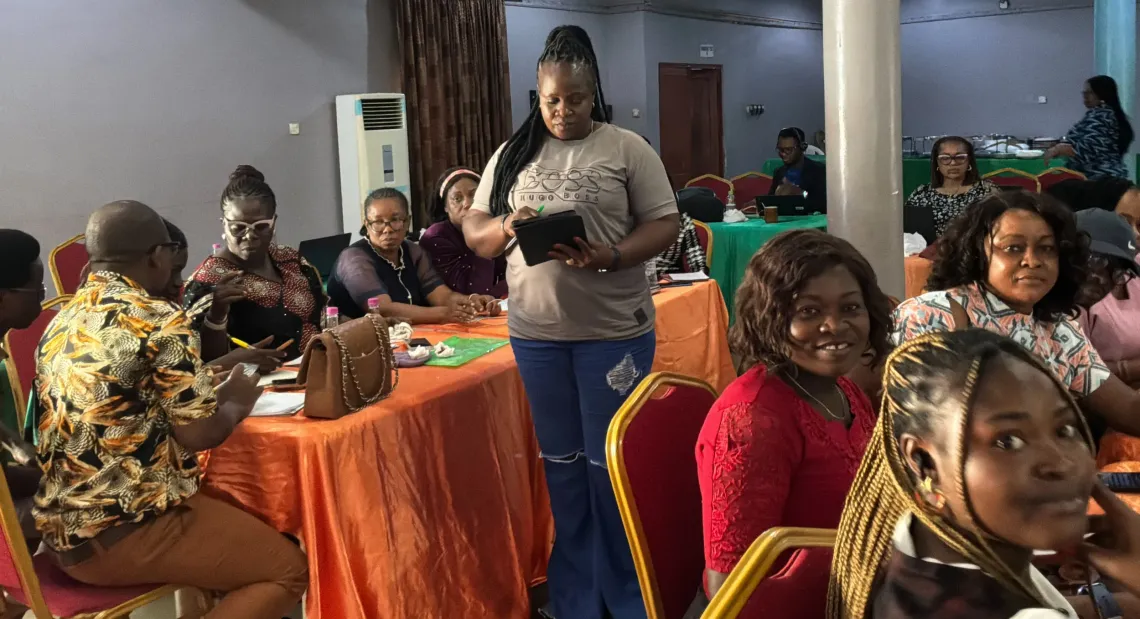
The fear slowly disappeared. Curiosity took over. Soon teachers who had arrived quietly were asking questions, experimenting with the technology and helping one another navigate the platform. By the end of the training, Mrs Henry found herself imagining what her classroom could become.
"I realised this could help me reach children in a completely different way," she says. "Learning no longer had to stop when the school day ended."
The Nigeria Learning Passport gives teachers and learners access to curriculum-based content through online and offline features, making it particularly valuable in communities where internet connectivity remains a challenge. For Mrs Henry, one feature stood out above all others.The possibility of reaching children who often struggle to stay connected to learning.
"There are children who miss school because of circumstances beyond their control," she says. "Knowing they can still access lessons and continue learning gives me hope."
The training is part of a wider effort by UNICEF, the Federal Ministry of Education and partners including Airtel Nigeria, Microsoft, the Global Partnership for Education, IHS and Sony to strengthen digital learning across Nigeria. But inside the training hall, the conversation was less about technology and more about children.
Children who learn at different speeds.
Children who need extra support.
Children living in communities where opportunities are often limited.
Harold Kpojime, National Consultant for the Deployment of the Nigeria Learning Passport at UNICEF Nigeria, believes teachers are the key to unlocking the platform's potential.
"The technology itself is important," he says. "But what truly makes the difference is the teacher. When teachers embrace these tools, they can reach learners in ways that were not possible before."
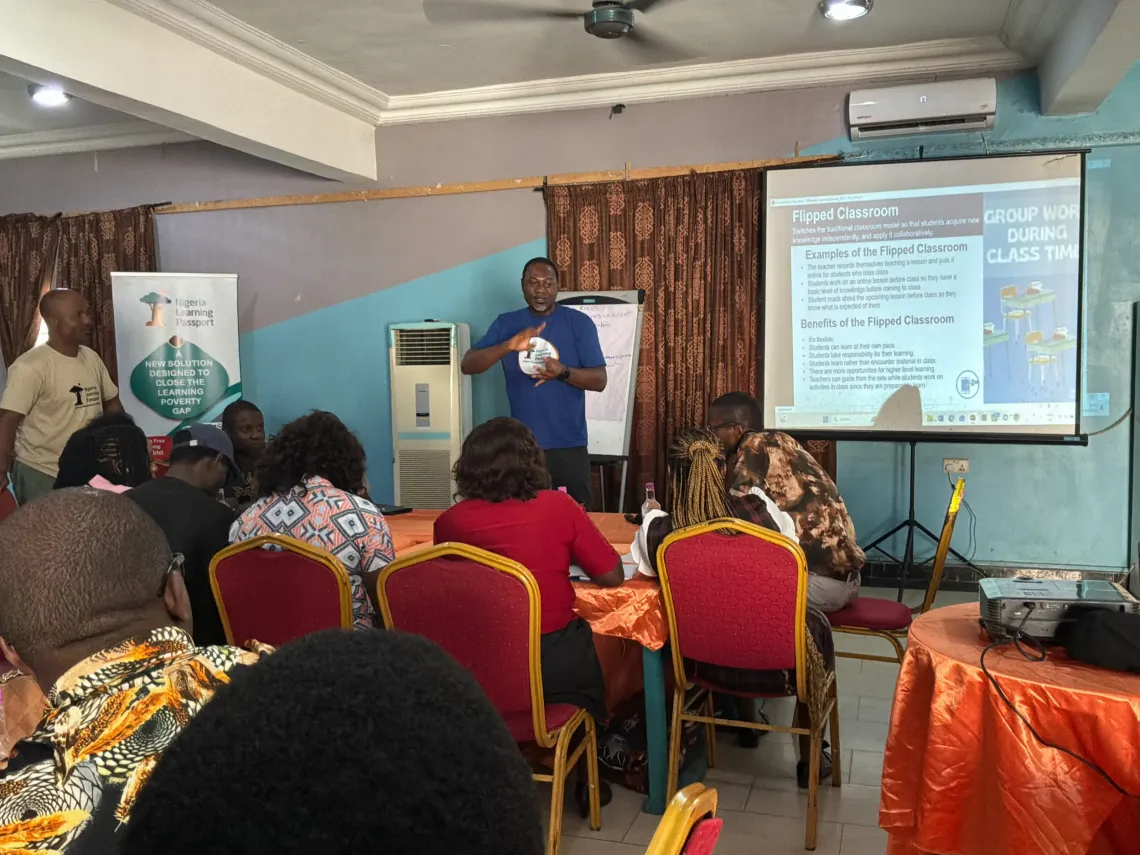
Watching teachers engage with the platform throughout the training, UNICEF Education Specialist Believe Oritsenemi Eke saw something equally important. Confidence growing.
"You could see the excitement in the room," he says. "These teachers are eager to learn new skills because they understand what it means for the children they serve."
For Mrs Henry, the impact of the training is already extending beyond the classroom. She has spoken to colleagues about the platform. She has begun exploring ways to incorporate digital learning into her lessons. Most importantly, she is thinking differently about what education can look like for the children she teaches.
On the final day of training, participants gathered for a group photograph.There was laughter.There were handshakes.
There were promises to stay connected and support one another. As Mrs Henry prepared to leave, she thought about the pupils waiting for her back home. Children with dreams of becoming doctors, engineers, teachers and leaders. Children whose futures may depend on the quality of education they receive today.
"This training has given me confidence," she says. "But more than that, it has given me hope."
And for a teacher, hope is a powerful thing. It is the belief that every child can learn.That every child deserves a chance. And that sometimes, a simple new tool in the hands of a committed teacher can help change the course of a child's future.