My Son Is Healthier Than His Older Siblings
In Katsina State, thanks to support from the US Government, a mother's journey with a Mother Support Group transformed the way she cares for herself and her children.

When Habasiyya Muhammad became pregnant with her youngest child, Naziru, she did not know that a visit from a community volunteer would change the way she cared for her family.
At the time, Habasiyya was already a mother of two. Like many women in her community, she relied on traditional practices and did not always have access to accurate information about maternal and child nutrition.
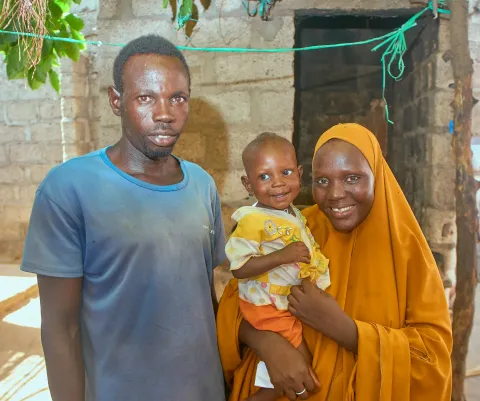
Habasiyya with her five-month-old child, Naziru Muhammed. Before she joined the Mother Support Group at Unguwar ’Yan Daka, Dutsinma LGA, Katsina State, Habasiyya had never practised breastfeeding.
Everything changed when a member of a local Mother Support Group visited her home.
"A woman called Maman Khairi came to my house while I was pregnant," Habasiyya recalls. "She explained the Mother Support Group and everything about it to me, and she invited me to join. That was how my journey with the group began."
Learning for a Healthier Pregnancy
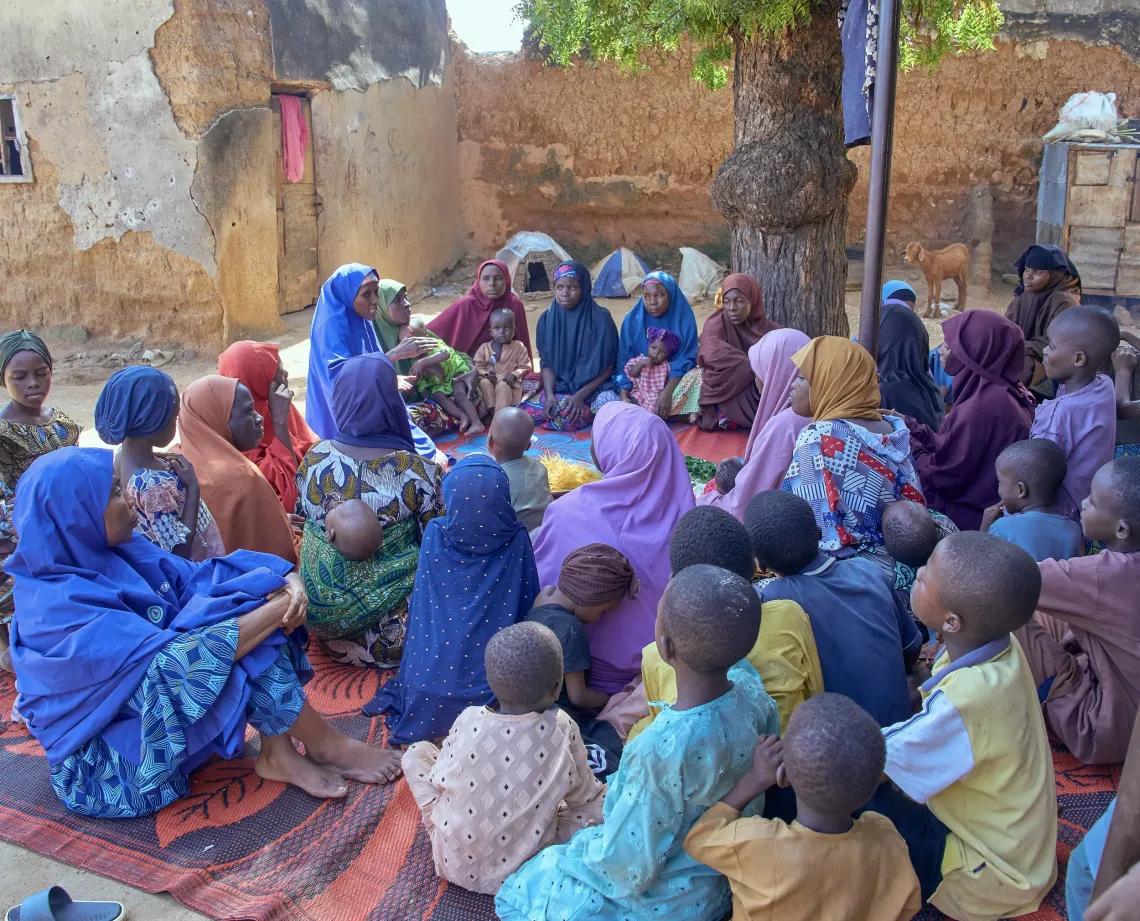
Through regular meetings, Habasiyya and other pregnant women learned about healthy eating during pregnancy and how nutrition affects both mother and baby.
"We were taught about proper nutrition and healthy eating habits," she says. "If we were eating three times a day, we were encouraged to add another meal. We also learned about foods that help build the body, support the baby's growth, and improve our health."
The sessions equipped Habasiyya with practical knowledge she could immediately apply at home, helping her prepare for a healthy pregnancy and delivery.
The Power of Exclusive Breastfeeding
One of the most important lessons Habasiyya learned was the importance of early initiation and exclusive breastfeeding.
After Naziru was born, she followed the advice she received from the Mother Support Group and gave her newborn breastmilk immediately after delivery.
"They taught me that the first thing to give a baby after birth is breastmilk and that from birth until six months, the baby should not be given water," Habasiyya explains. "I followed what I was taught, and I saw the benefits for myself."
For Habasiyya, the guidance challenged long-held practices she had followed with her older children.
"With my previous children, I used to give them water," she says. "But after joining this group, I learned that breastmilk alone is enough for the first six months."
Today, she is convinced the practice made a significant difference.
"My child is healthy, strong, and thriving. Honestly, my previous children were not like this."
Protecting Children Through Immunization
The Mother Support Group also strengthened Habasiyya’s understanding of routine childhood immunization.
Before joining the group, she sometimes missed vaccination appointments for her older children. Through discussions with other mothers and facilitators, she learned the importance of completing the full immunization schedule.
"For my older children, I took them for some vaccinations and missed others," she says. "But at the meetings, the importance was explained to me, so I took Naziru for all his immunisations."
The results, she says, have been evident.
"He is healthier than them. He doesn't get sick frequently like the others."
Bringing Better Nutrition Home
Beyond breastfeeding and immunization, Habasiyya gained practical skills for preparing nutritious meals using locally available foods.
She learned healthier cooking methods and how to prepare balanced meals for young children using ingredients such as beans, spinach, potatoes and groundnuts.
"We make porridge using potatoes, beans and groundnut paste," she explains. "We also learned not to add too much salt or seasoning cubes. Since we started doing this, we have seen the benefits."
The new knowledge has improved not only the meals she prepares for her children but also her family's overall eating habits.
Sharing Knowledge with Other Mothers
Inspired by the positive changes she has witnessed in her own family, Habasiyya is now encouraging other women in her community to join Mother Support Groups.
"Whenever I see women gathered together, I tell them, 'There is a group that is helping us. We have learned so many things from it,'" she says. "I tell them they will see positive changes and improvements."
Her experience demonstrates how Mother Support Groups serve as trusted community platforms where women can learn, support one another, and adopt practices that improve the health and wellbeing of mothers and children.
"In this group, I gained so much knowledge," Habasiyya says. "I learned about exclusive breastfeeding, nutritious foods, complementary feeding and immunization. I make sure my baby receives all his vaccinations, and I can see how healthy, strong and energetic he is. I am truly grateful for everything I have learned from this group."
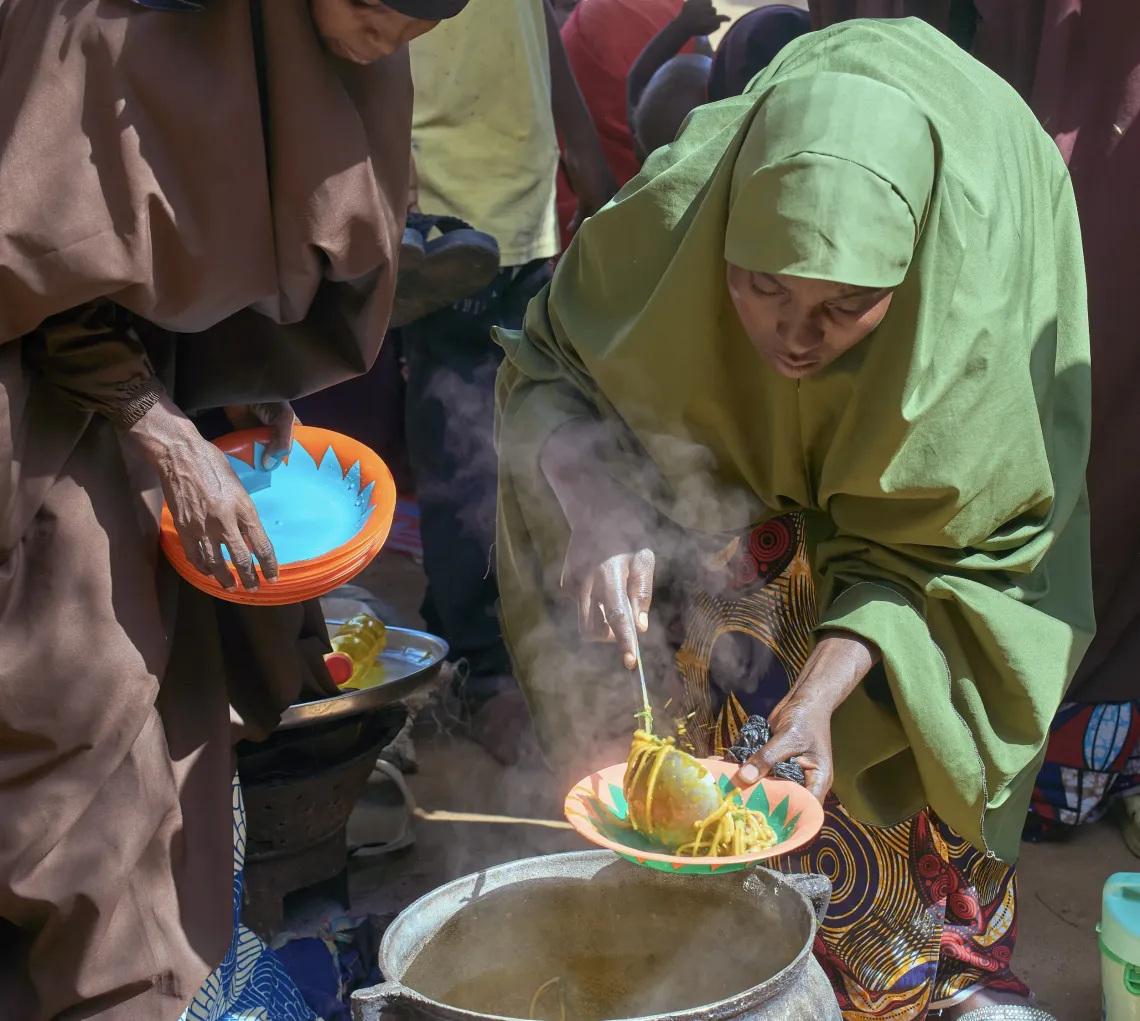
For Habasiyya, that knowledge has made all the difference, giving Naziru a healthier start to life and empowering her to help other mothers do the same.
With funding from the US Government, the Katsina State Government, UNICEF and the World Food Programme (WFP) launched implementation of the WHO’s revised guidelines for preventing and managing wasting among children under five in 2025. The initiative delivers coordinated interventions to households, women and children affected by wasting and food insecurity across 10 violence affected LGAs in Katsina state.
Through Mother Support Group meetings, caregivers like are gaining the knowledge and practical skills to prevent and manage child malnutrition and putting them into action to give their children a healthier, stronger start in life.