From suspicion to hope: How nutrition support is helping children thrive in Sokoto
With funding support from the Government of the United States of America, UNICEF and partners are helping families overcome misconceptions, strengthen community nutrition services, and protect young children from malnutrition in Sokoto State.

A mother’s initial fears
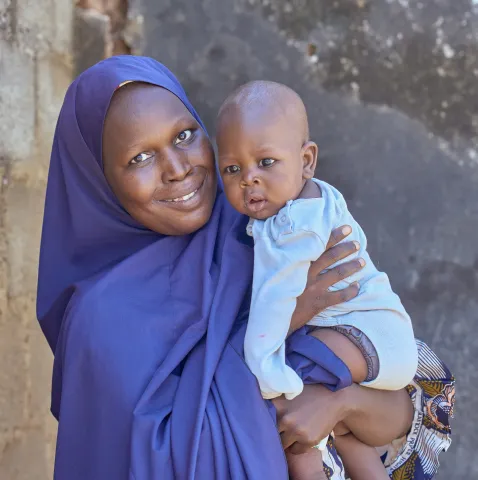
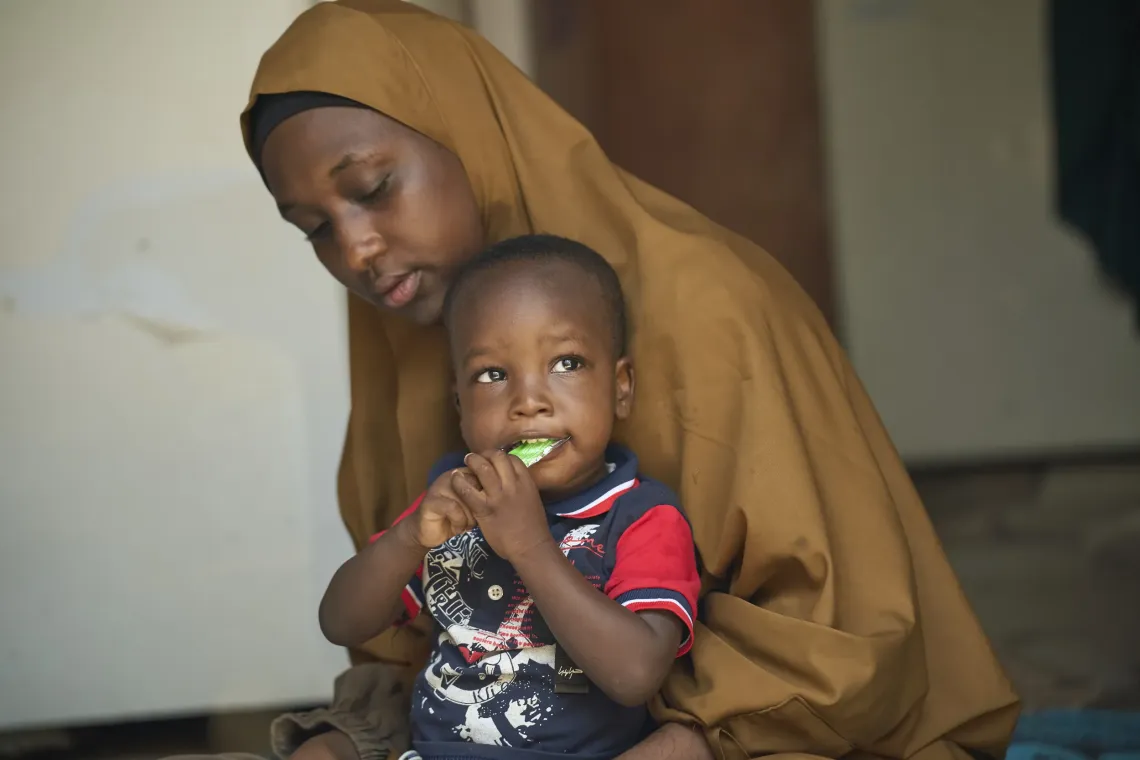
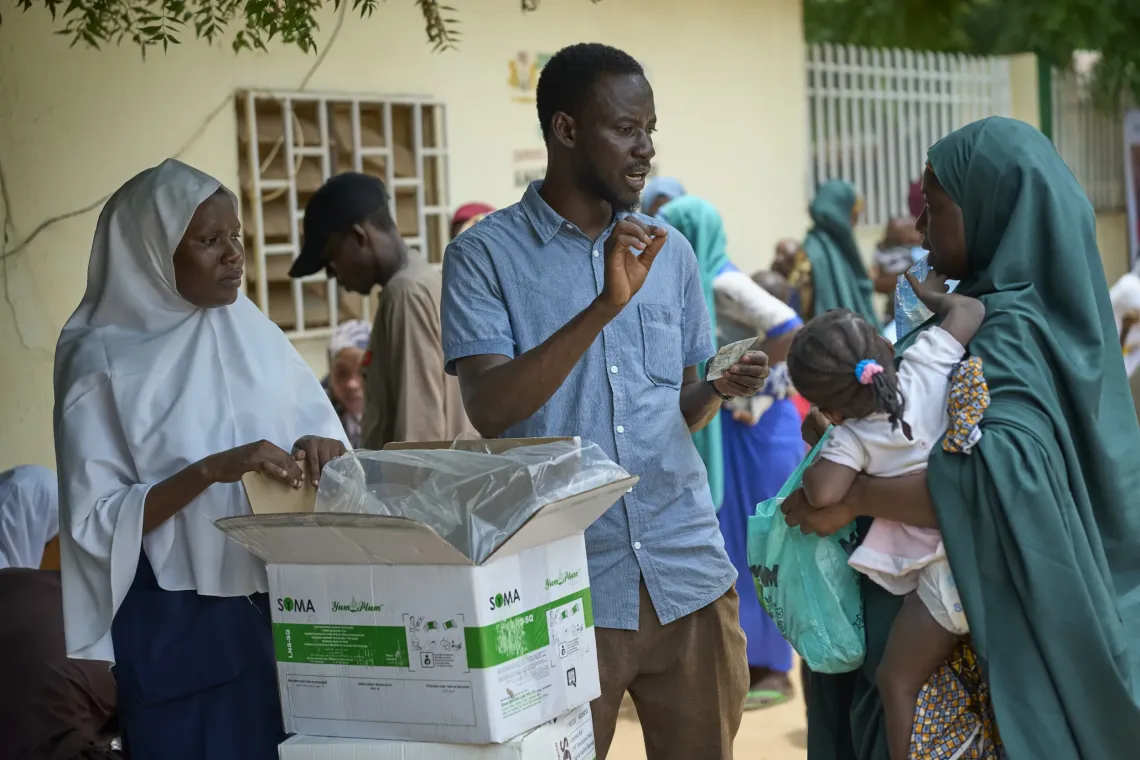
When community nutrition workers first approached Mariam Abubakar about giving her child a nutrition supplement, she was suspicious. Her husband also rejected the offer, fearing that a free product might harm their child.
Repeated visits from community nutrition mobilizers and simple explanations about the benefits of Small-Quantity Lipid-Based Nutrient Supplements (SQ-LNS) gradually reassured the family.
“At first, I thought it would harm my child. When you hear that something is being given out for free, you think twice before accepting it,” Mariam recalled.
Today, she says the change is clear. “My child’s health has improved. He can now play with other children in the neighborhood," she said.
Turning experience into trust
Encouraged by her son’s progress, Mariam now wants other parents to benefit. “I appreciate the support offered to us, and I will share this good news throughout the community,” she said.
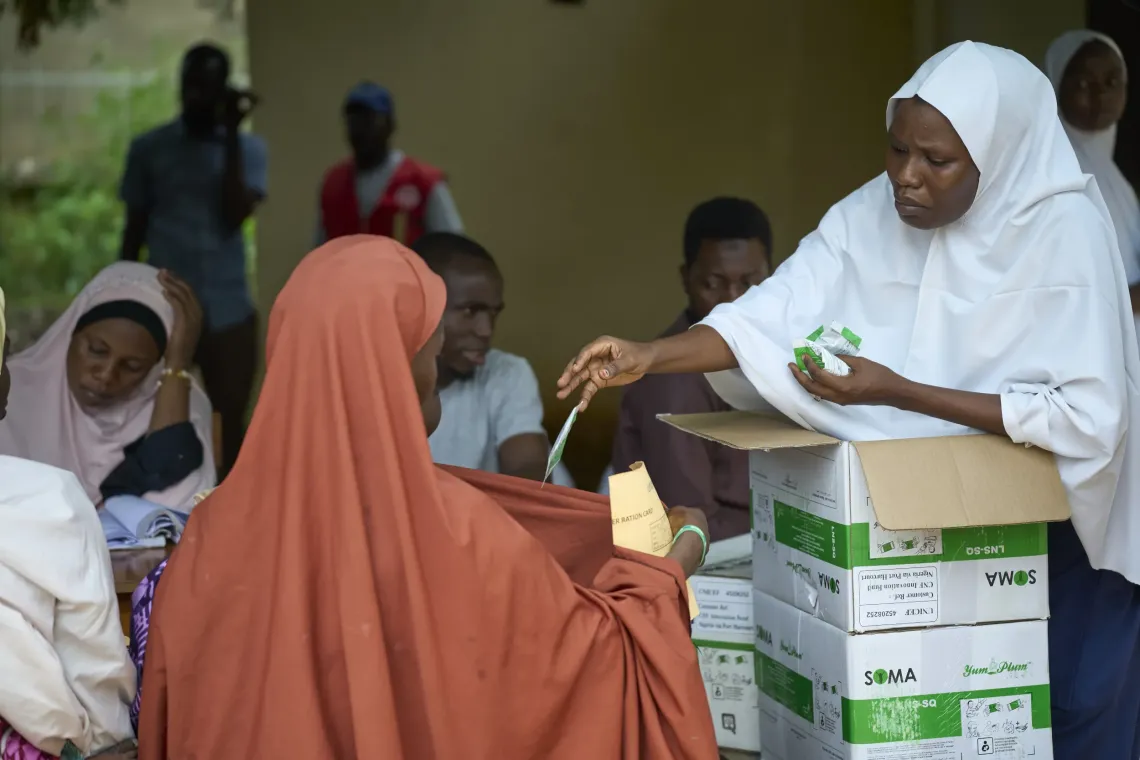
Her experience reflects that of other mothers reached through a nutrition intervention in the Sokoto South and Tangaza Local Government Areas. By combining household counselling with screening, referral, and nutrition services, the programme helps families make informed decisions about their children.
Bringing nutrition services closer to families
Implemented by Life Helpers with UNICEF support, the intervention focuses on identifying, screening, and referring children aged 6 to 23 months who are malnourished or at risk of malnutrition.
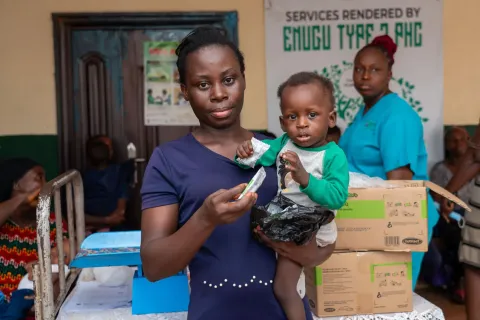
Project Lead Kolawole Niyi Famokun said community volunteers and health workers had been oriented across 11 health facilities, including outpatient therapeutic programme sites in Sokoto South and Tangaza.
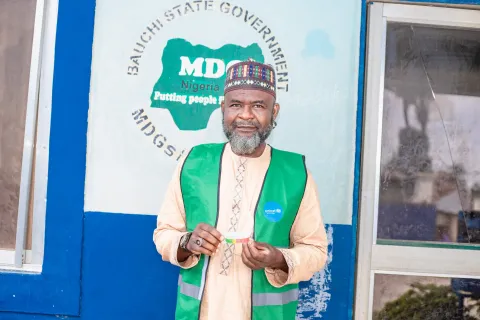
A total of 110 community nutrition mobilizers, 30 in Sokoto South and 80 in Tangaza are supporting families with information, screening, and referrals.
“The aim is to identify and refer malnourished children early especially those with severe or moderate acute malnutrition so they can access the nutrition services they need,” Famokun said.
Preventing malnutrition through community action
The programme is also building the capacity of 24 service providers in Tangaza and 15 in Sokoto South to deliver SQ-LNS and counsel caregivers on its appropriate use.
Community support groups reinforce this work by promoting exclusive breastfeeding, appropriate complementary feeding, and the use of nutritious foods that are locally available and affordable.
For Mariam, the impact extends beyond just the results of the programme. It is visible in a daughter who is healthier, stronger, and able to play with her peers.
With funding support from the Government of the United States of America, UNICEF and partners are helping more families in Sokoto access trusted information and essential nutrition services so that every child has the chance to survive and thrive.