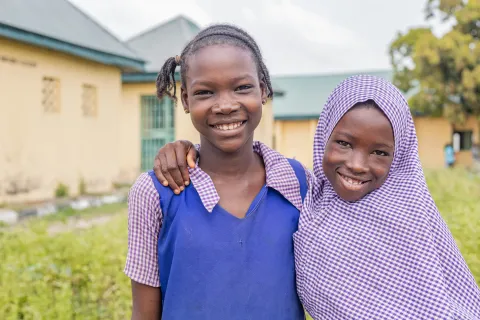
In Kudai Community, positive parenting practices are transforming lives
UNICEF-supported programme is helping families in a rural community in Jigawa State, northwest Nigeria, adopt positive parenting practices that strengthen communication, protection, and wellbeing.

Each time 40-year-old Bilkisu Musa reflects on the peace and joy now growing in her home, she feels grateful for the opportunity to participate in the Gender Transformative Parenting (GTP) programme.
Before joining the programme, communication within Bilkisu’s family was limited, and her relationship with her children was distant.
A home once marked by distance
“We hardly communicated openly, and there was a sense of fear and inhibition among us. We rarely sat together as a family to talk, share ideas, or spend quality time with one another,” Bilkisu recalls. She is relieved that this is now in the past.
For Bilkisu, parenting was previously focused mainly on discipline and survival, with little understanding of the importance of emotional connection and positive communication within the family.
Like many families in her community, economic hardship influenced many household decisions, including involving children in income-generating activities at the expense of their education.
“One of the biggest challenges in our home was sending our children to hawk groundnuts. We expected them to return with a set amount of money and punished them when they fell short because, at the time, we believed it was the right thing to do.”
Learning a new way to parent
Since participating in the GTP sessions, Bilkisu and her husband have gained new skills in positive parenting, child wellbeing, and peaceful family relationships, and are putting them into practice at home.
Through discussions on positive parenting, effective communication, conflict resolution, and child protection, the family began to reflect on their behaviours and make meaningful changes at home.
“We learned the importance of bringing our children closer, listening to them, and creating space for open communication. This changed the way we relate with one another as a family,” Bilkisu explains.
Choosing safety and education
One of the family’s most significant decisions has been to stop prioritizing income generation at the expense of their children’s wellbeing and education.
“After understanding the risks and negative effects of child labour and street hawking, my husband and I reflected deeply and decided to change our approach. Today, we focus more on our children’s safety, education, and future.”
The changes within the household have been visible and meaningful. BilkisuU’s children are now more committed to their education, while she and her husband actively encourage and support their learning.
“Before now, education was not always prioritized in our household, but today we believe our children can achieve things we once thought were impossible.”
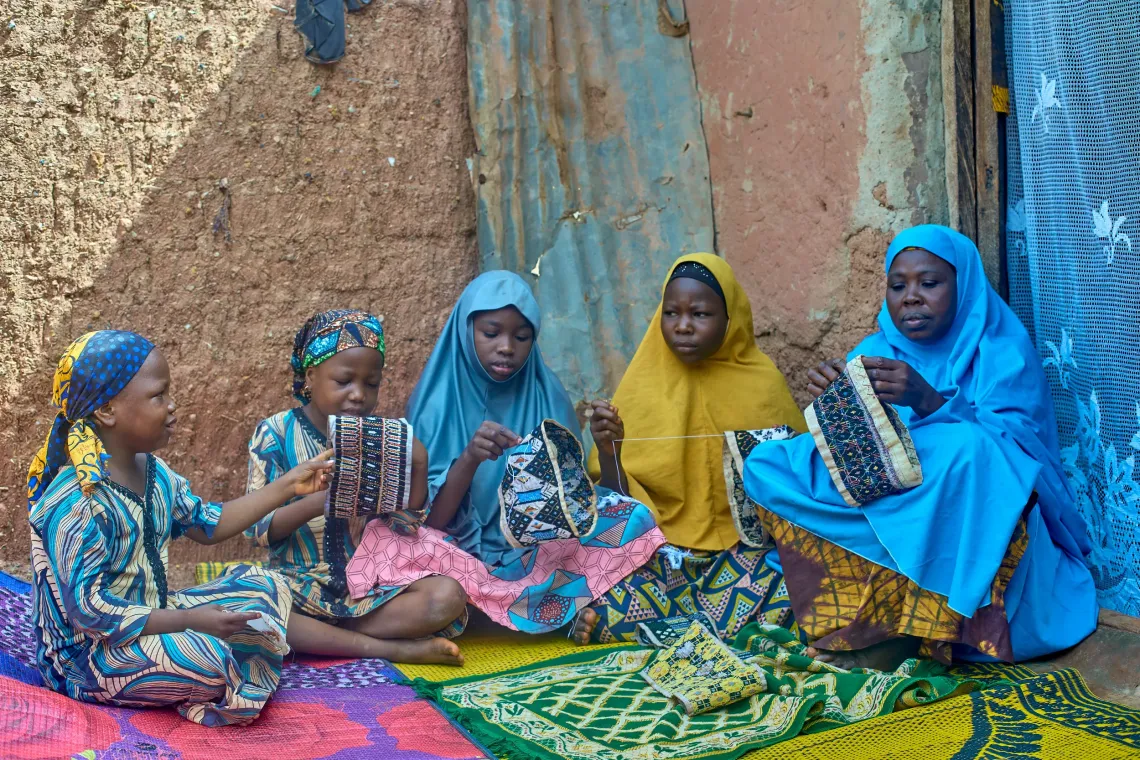
After stopping child hawking, the family shifted to safer, home-based livelihood activities such as making local snacks and knitting caps. These activities provide additional income while allowing the family to spend more time together.
“Now we sit together more often as a family talking, laughing, and supporting one another. Sometimes we spend so much quality time together that we do not even realize how fast the day has gone.”
Building peace at home
The atmosphere at home has also become more peaceful, supportive, and nurturing.
Rather than responding harshly to mistakes, the family now practices patience, dialogue, and understanding.
“When our children make mistakes, we now listen to them and correct them calmly instead of reacting with anger. This has strengthened trust and improved our relationship with them,” added Bilkisu.
Bilkisu’s husband, Musa, also affirms the positive changes brought by the intervention.
“What we have learnt through this programme has brought peace into our home. My family is now more relaxed. The children have become more cooperative and engaged within the family,” Musa says.
Inspiring change beyond the household
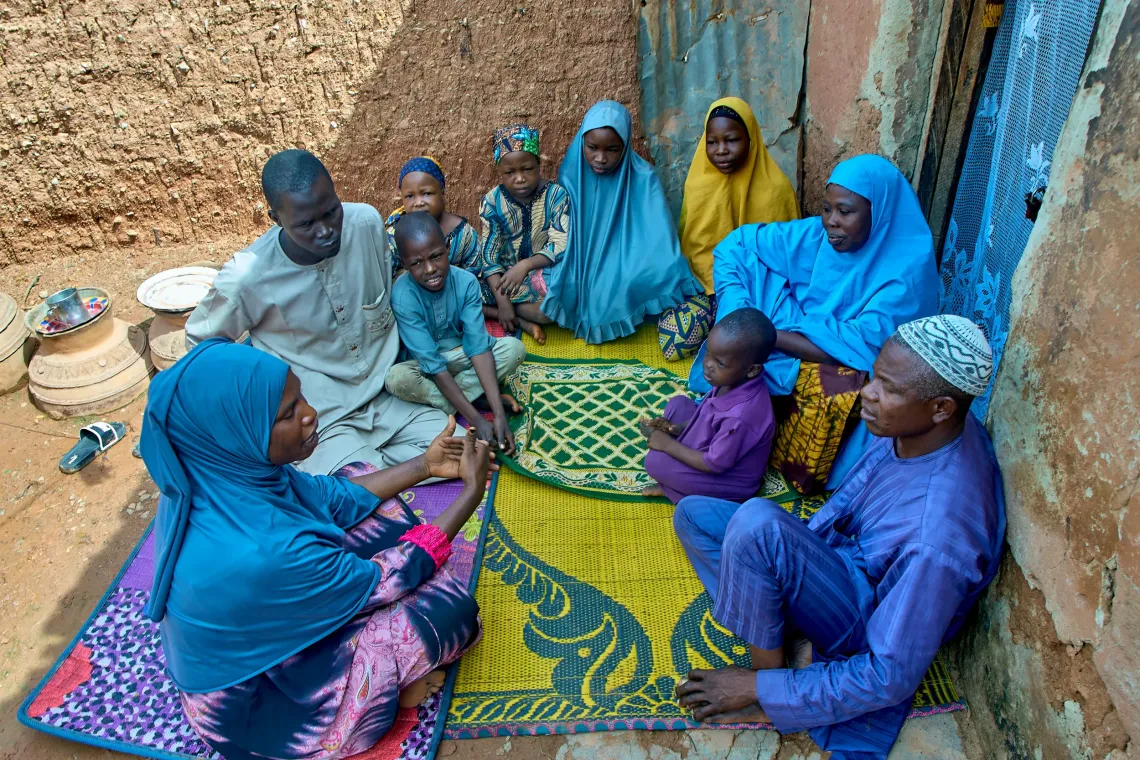
Beyond their household, Bilki and her family have become advocates for positive parenting within their community. During gatherings and conversations with neighbors, they share lessons learned from the GTP sessions and encourage other parents to adopt healthier parenting practices.
“People in the community have noticed the changes in our family and are asking questions. We are happy to share our experience so that other families can also benefit.”
“We are deeply grateful for this intervention and sincerely hope it continues, so more families can benefit from the positive changes we are experiencing today,” Bilkisu says.
Sharing experience on the positive parenting
With Regular Resources, UNICEF is supporting the Isa Wali Empowerment Initiative to implement the Gender Transformative Parenting programme, helping families like Bilkisu’s build safer, more supportive homes where children can learn, thrive, and reach their full potential.
For Bilkisu, the journey has been life-changing, and she hopes more parents will have access to the skills and support that are helping her family choose dialogue, care, and education over fear and hardship.