Guardians of Clean Water
How one community is combating cholera and protecting children’s lives.
Auwal Mohammed Aminu manages a busy water point in Gwange, itself one of the most densely populated communities in Maiduguri, northeast Nigeria. Aside from serving a primary school that shares a fence with it, the source supplies water to a carpet and tricycle wash centre, where it is located. The traffic to this water source includes a daily average of 1,000 water vendors who throng the well to fetch water in a day.
I have not even mentioned the number of households fetching water from us. I cannot estimate that in figures. School children are always here for water. We have the highest traffic in this area. There is almost no downtime here.
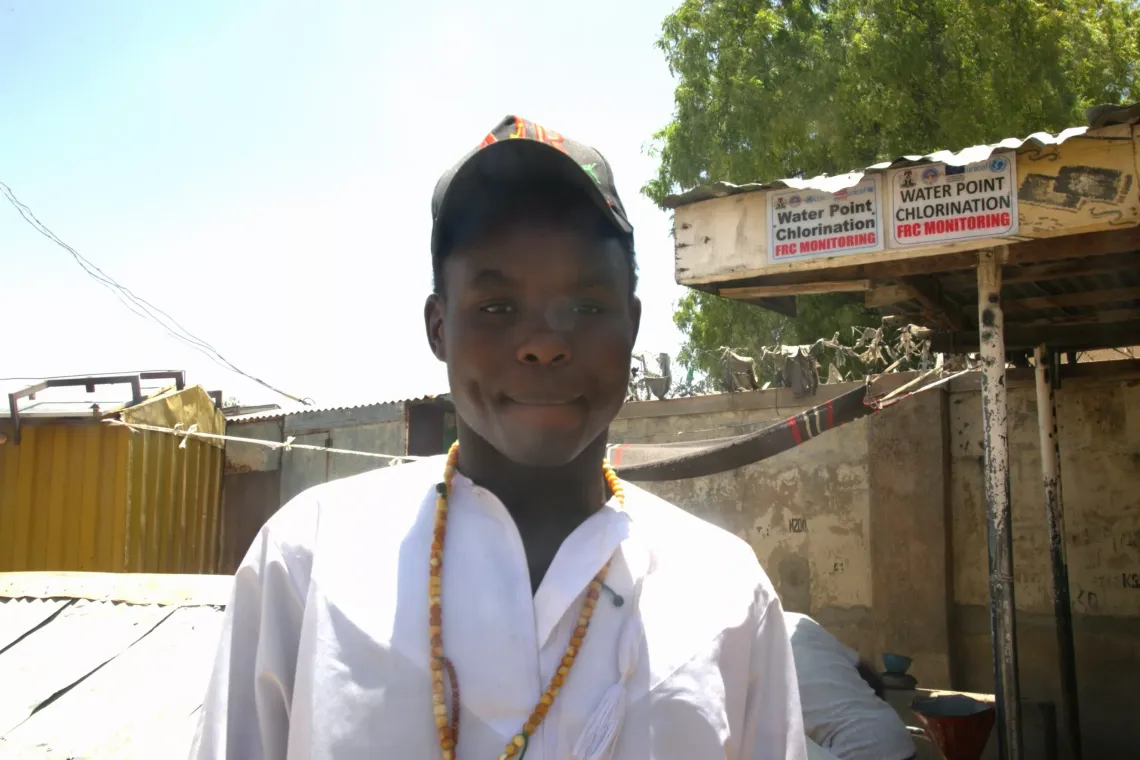
Indeed, the Gwange community landscape is dotted with dozens of deep wells, managed by supervisors like Aminu, who sell water to vendors but offer it free to households and children.
This is one of the most preferred water points in this area because we keep the environment clean, and we chlorinate the water every day. You will never see a spirogyra here. Although that used to happen in the past, there is nothing like spirogyra here anymore.
But aside from its sheer number of water sources, the community is also known for cholera outbreaks, the most recent being after the devastating flood that claimed lives and property in September 2024. With its huge population and lowland topography, Gwange and its people were in the direct path of the rampaging flood, which occurred when the Alau Dam overflowed its banks and collapsed.
But aside from its sheer number of water sources, the community is also known for cholera outbreaks, the most recent being after the devastating flood that claimed lives and property in September 2024. With its huge population and lowland topography, Gwange and its people were in the direct path of the rampaging flood, which occurred when the Alau Dam overflowed its banks and collapsed.
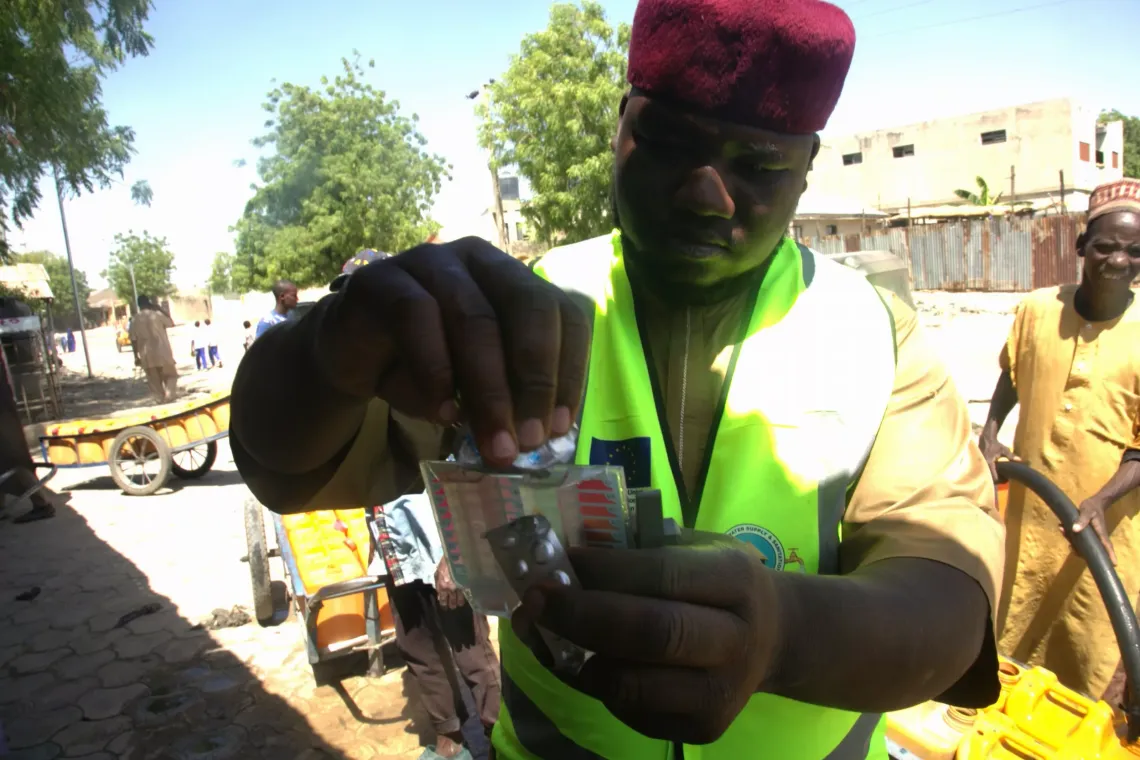
As part of UNICEF’s mandate to keep children and households safe from cholera and other waterborne infections, 750 water sources in Gwange were chlorinated with support from the European Union Humanitarian Aid in northeast Nigeria.
The chlorination services are part of a wider cholera support programme from the European Union Humanitarian Aid in the aftermath of the devastating flood that occurred in Maiduguri in September 2024. Other services include regular water quality monitoring in cholera hotspots, environmental sanitation, and disinfection in waste collection centres. We also provide rehabilitation services for water sources and toilets in schools, healthcare facilities, and communities.
UNICEF, in collaboration with the Borno State Government through the Rural Water Supply and Sanitation Agency (RUWASSA), has also trained water supervisors like Auwal on the chlorination of water sources to prevent contamination and disease outbreak.
My job is to keep the water point clean always and put on the generator to pump the water. I also have to chlorinate in the evening after closing so that people can start to fetch water as early as possible the next day. When you see me and how clean I dress, my waterpoint cannot but be clean.
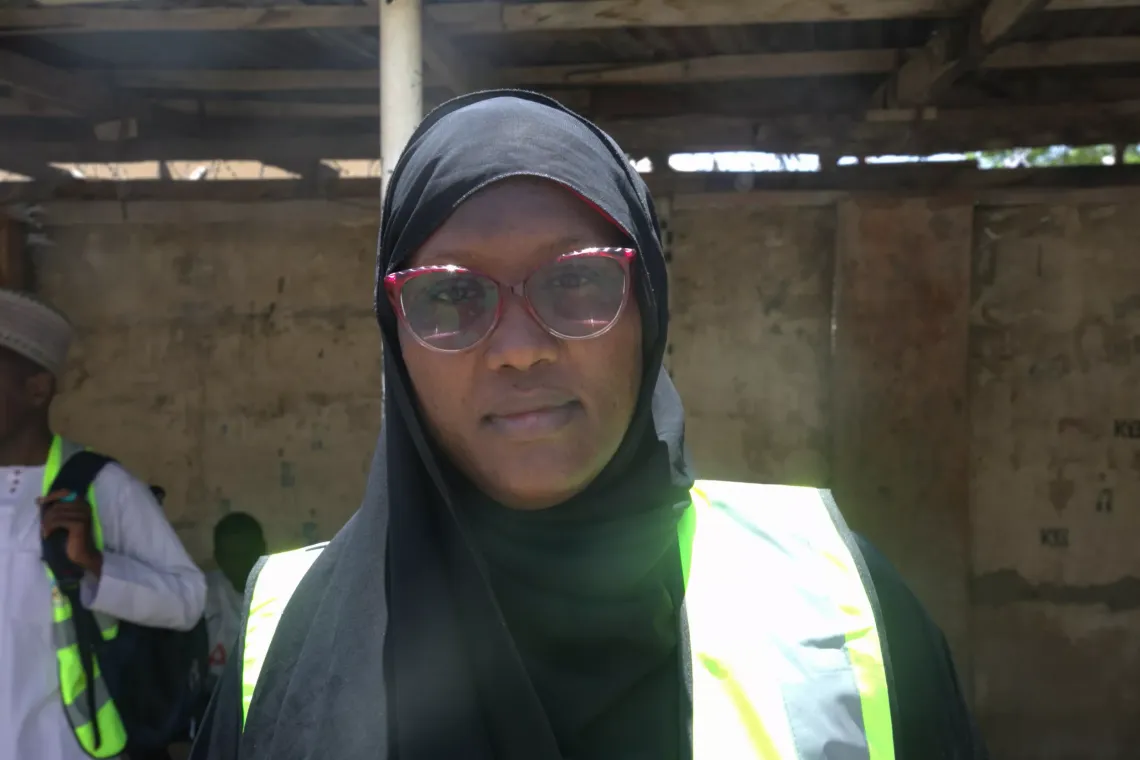
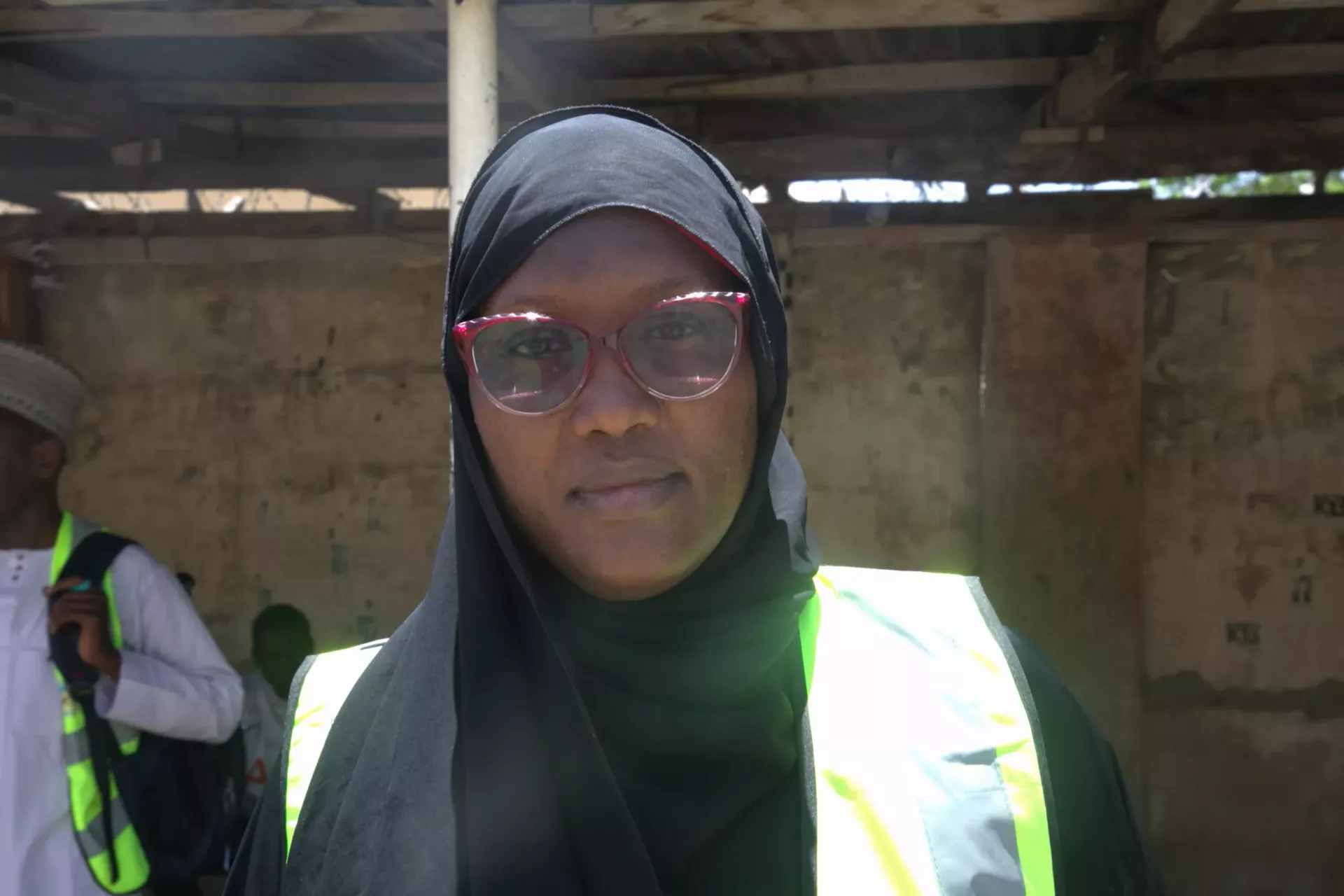
Ummi Abatcha, the Principal Hygiene Officer of Borno RUWASSA and the Desk Officer of the Clean Nigeria Campaign (CNC), asserts that the extensive chlorination exercise in Gwange and other communities has effectively contained the cholera outbreak in the state.
Five family members were down with cholera in a community. The communities used to record a large number of cholera cases. However, we have been consistently monitoring since the chlorination commenced, there are no cases. The chlorination and other sanitation activities that we have done have shown to be successful.