A Glimmer of Hope
The Story of the Newborn Unit at Yusuf Dantsoho Memorial Hospital

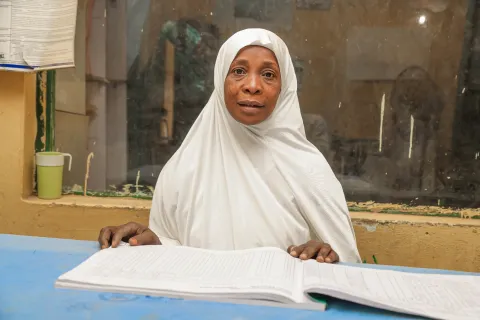
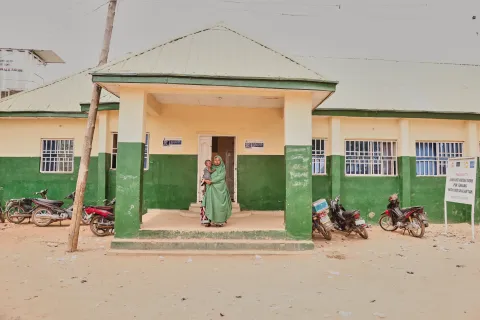
The newborn unit at Yusuf Dantsoho Memorial Hospital (YDMH) Kaduna, Northern Nigeria, is a shining example of the impact of well-planned initiatives and the unwavering commitment of healthcare professionals like Matron Jummai Hamisu in reducing neonatal mortality rates.
Since its upgrade, the unit has witnessed a remarkable improvement in maternal and neonatal health outcomes. Matron Jummai Hamisu, the unit's day-to-day manager, reports significant improvements in newborn care and survival rates since the upgrade.
The unit has seen a significant increase in patients and admissions, resulting in a complete lack of available bed space. Approximately two-thirds of newborn admissions are male, while the remaining one-third are female.

Kaduna State is grappling with a serious issue of neonatal mortality, with the highest rate in the country at 63 deaths per 1,000 live births. This is significantly higher than the national average of 39 deaths per 1,000 live births (NDHS 2018). Newborn deaths constitute a significant portion of under-five mortality, with approximately 30% occurring within the first day after birth and approximately three-quarters within the first week of life. Addressing this critical period is essential for improving child survival rates in Nigeria.
To tackle the high neonatal mortality rate, UNICEF has implemented several crucial initiatives in Kaduna State. One of the most significant is the renovation and improvement of the Level 2 (L2) newborn care unit at Yusuf Dantsoho Memorial Hospital (YDMH). This upgrade has completely transformed YDMH into a leading provider of exceptional newborn care in the state and an essential referral centre for Level 1 Primary Health Care (PHC) facilities and other general hospitals. The upgraded unit became functional in March 2024.

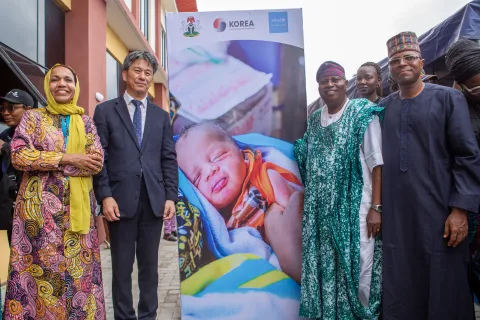
As part of their efforts to improve YDMH, UNICEF and its partners, IHS Towers, Canada, and the government, collaborated to build an oxygen plant that provides medical oxygen to the newborn care unit and other units in the hospital. This is a significant breakthrough for the hospital. Dr. Nagaji Safiya Bello, the Chief Medical Director, expresses her excitement:
Having such a plant within our vicinity at this critical period is a huge achievement for the hospital. It will significantly improve child survival rates in the state, as well as address other oxygen-related needs efficiently.
Matron Hamisu, along with her team, caters to the daily needs of newborns while also providing guidance to new mothers on breastfeeding their preterm babies. She also has this to say: “One of the primary causes of admission here is birth asphyxia and other related respiratory problems, jaundice, and neonatal sepsis. Having the oxygen plant here solves a major problem for us.”

UNICEF has also focused on building the capacity of healthcare providers in the state. Over 290 healthcare professionals, ranging from doctors and nurses to midwives, Community Health Extension Workers (CHEWs), and Community Health Officers (CHOs), have successfully completed the Essential Newborn Care Courses (ENCC) at primary and secondary health centres. This training aims to improve the quality of care and ensure that healthcare providers are fully prepared to handle critical and emergency situations involving newborns.
The story of the newborn unit at Yusuf Dantsoho Memorial Hospital highlights the significant impact of a coordinated effort and the unwavering dedication of healthcare professionals to improving neonatal outcomes and saving countless lives.