Fathers leading the way to adequate nutrition
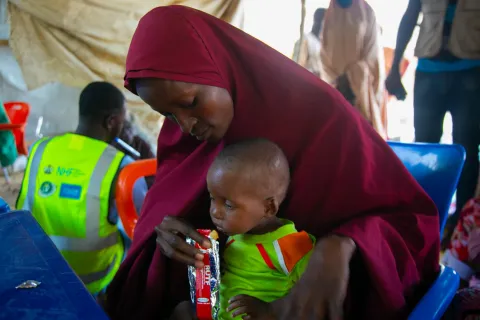
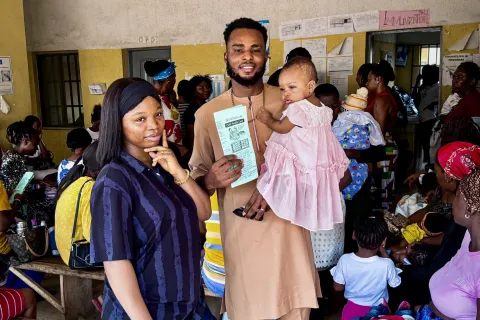
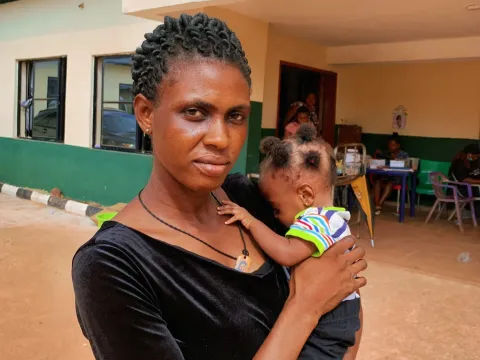
In Nguru Local Government Area, Yobe State, fathers are taking the lead in ensuring that their children grow and thrive by receiving a nutritious diet.
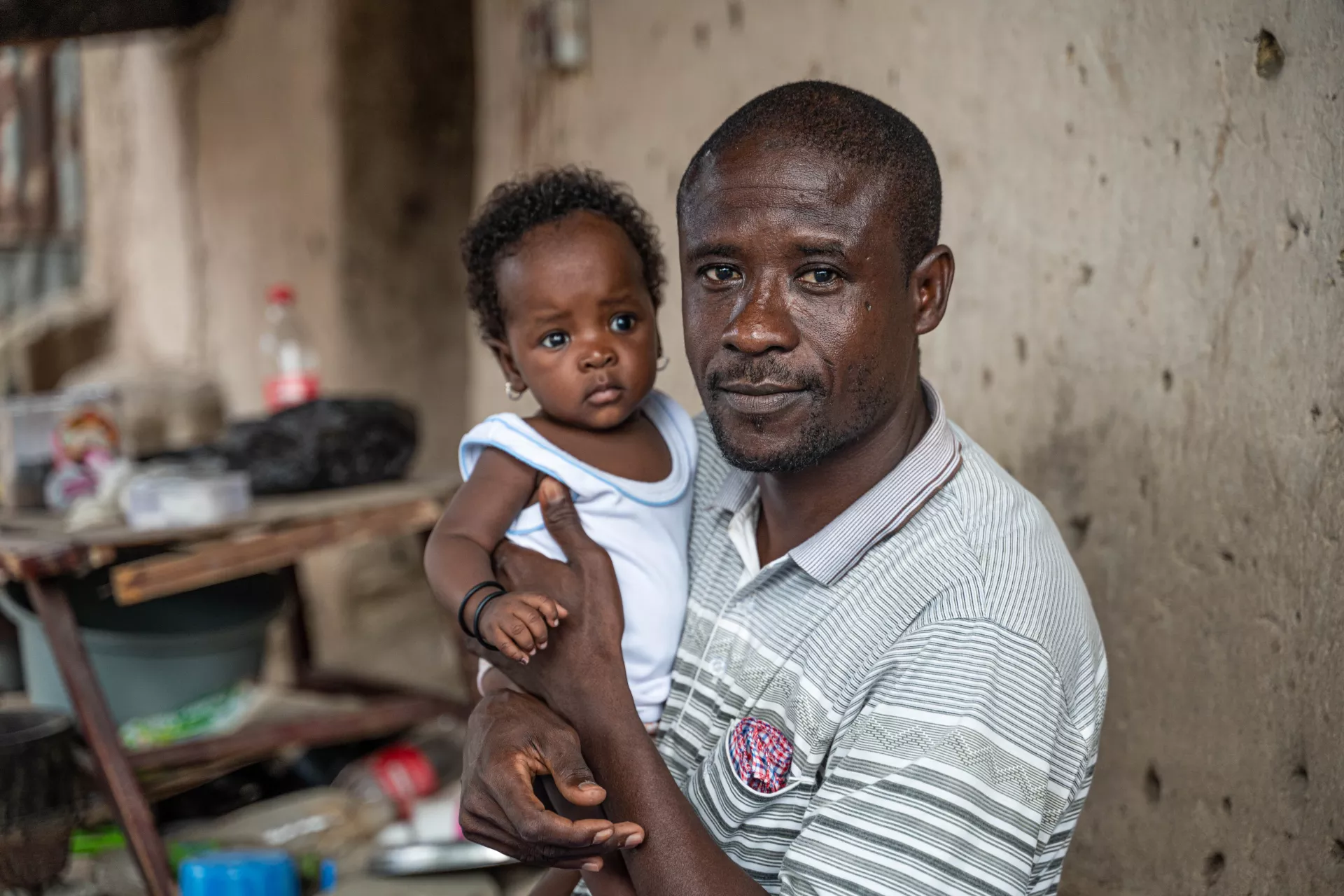
Washing, cooking, feeding children – these are all tasks expected of mothers in addition to breastfeeding and childcare in Nigeria.
It was a great sight to see a different scene play out in Bombori and Kalidafi, two settlements in Nguru, a Local Government Area in Yobe State, Northeastern Nigeria. Here, men like Muhammed Alhassan, Muhammad Audu and Lukman Ngibrima have taken the wheel, reducing the burden of care on their wives, providing for proper nutrition and ultimately driving their families into leading a healthy life.
Muhammed Alhassan
Growing up, Muhammed had 13 siblings, yet he remembers his father taking care of them, by not only providing shelter and food, but by playing with them, assisting his wives to feed the children or showing them how to do house chores. Now 42 years old, Muhammed believes that the quickest way to show that he is taking care of his family is to support his wife and to have healthy children who do not fall ill.
When he is not working as an officer at the Nguru Local Government Area office, he spends his time rearing chickens and nurturing his backyard vegetable garden. He believes that setting the right example for his children will help them to maintain good eating practices when they grow up.


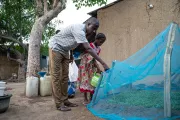
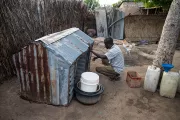
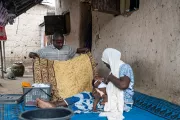
"When I heard from the nutrition officers that if my children are breastfed and eat the right food that includes vegetables, fruits and proteins when they are older, they will not fall sick, I decided to pay attention. This backyard farming has even helped me to save money because the chickens lay eggs too, so I don’t have to buy eggs or vegetables"
Muhammad Audu
40 year old Muhammad Audu lives in Bombori, Nguru LGA, Yobe State, Nigeria and loves bonding with his two children, an activity that led to him knowing more about his children.
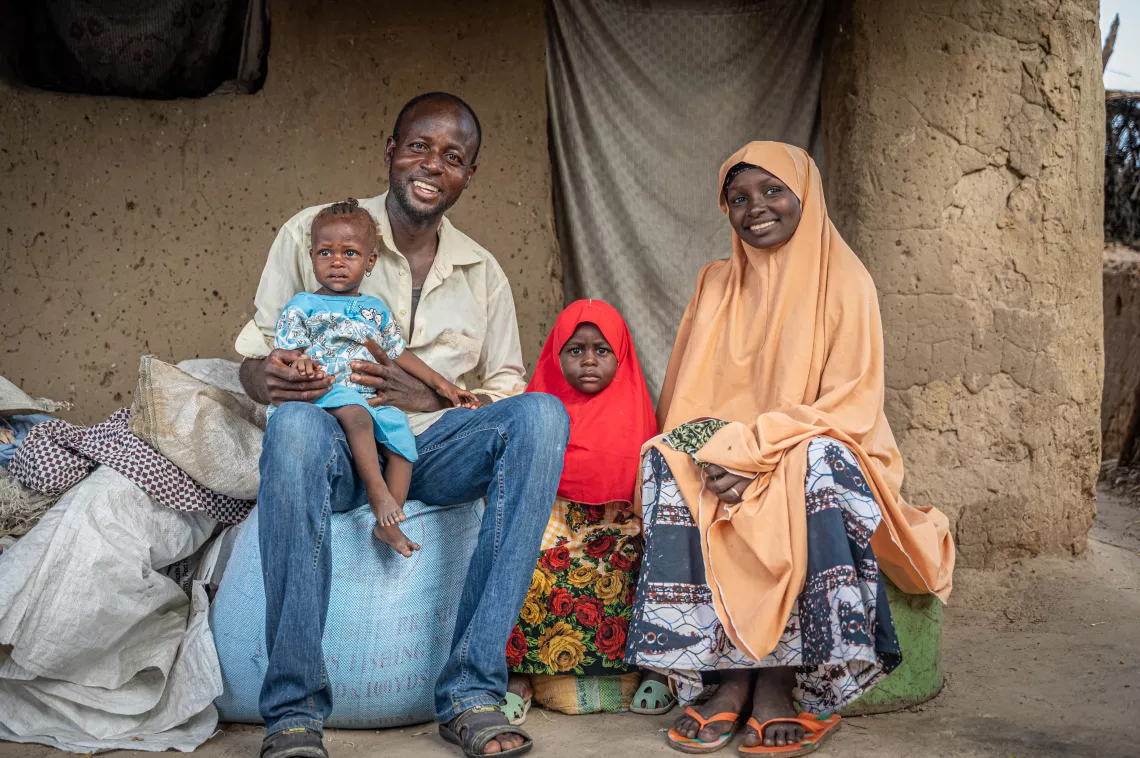
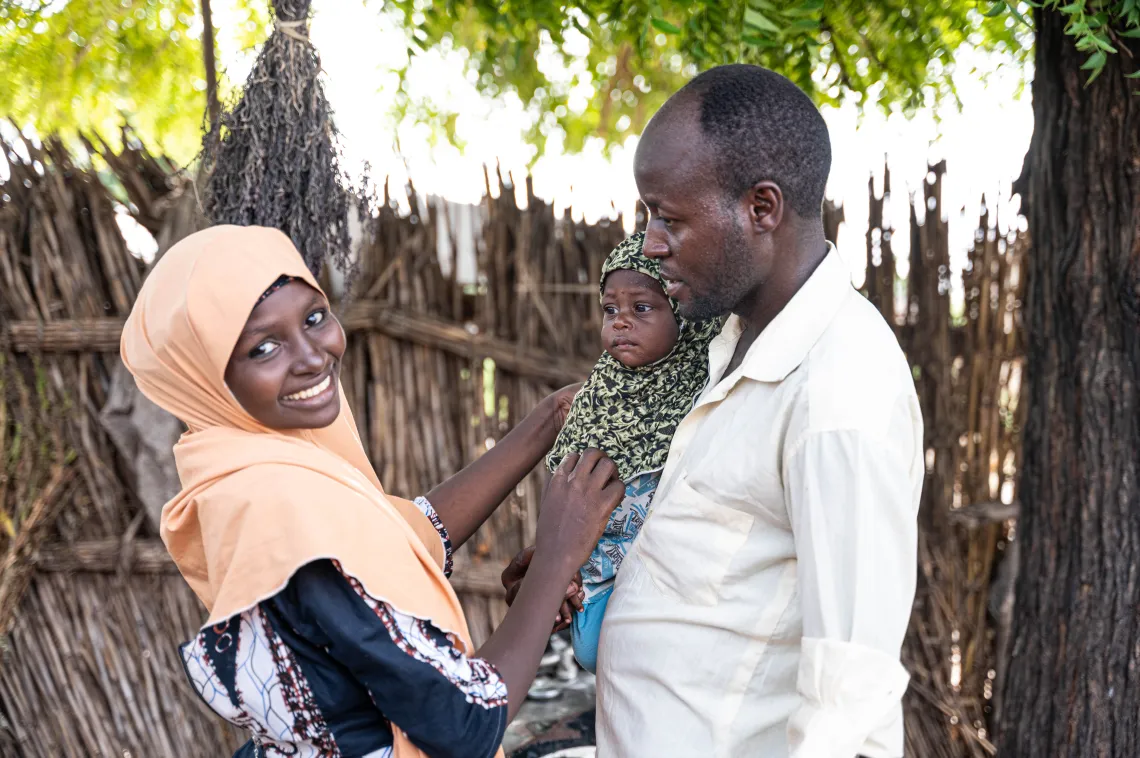
I know all the food they enjoy like rice, kunun (a liquid meal made from maize, millet or sorghum), macaroni. I make sure they eat all the food they like, and I also make sure it has all the nutrients as explained to us by the nutrition officers that visit us. They teach us about vitamins and nutrients that our children need. I help my wife to cook sometimes when she is tired, so I am happy that I know all the type of food the children should be eating. It's not only for their mother to know


Lukman Ngibrima
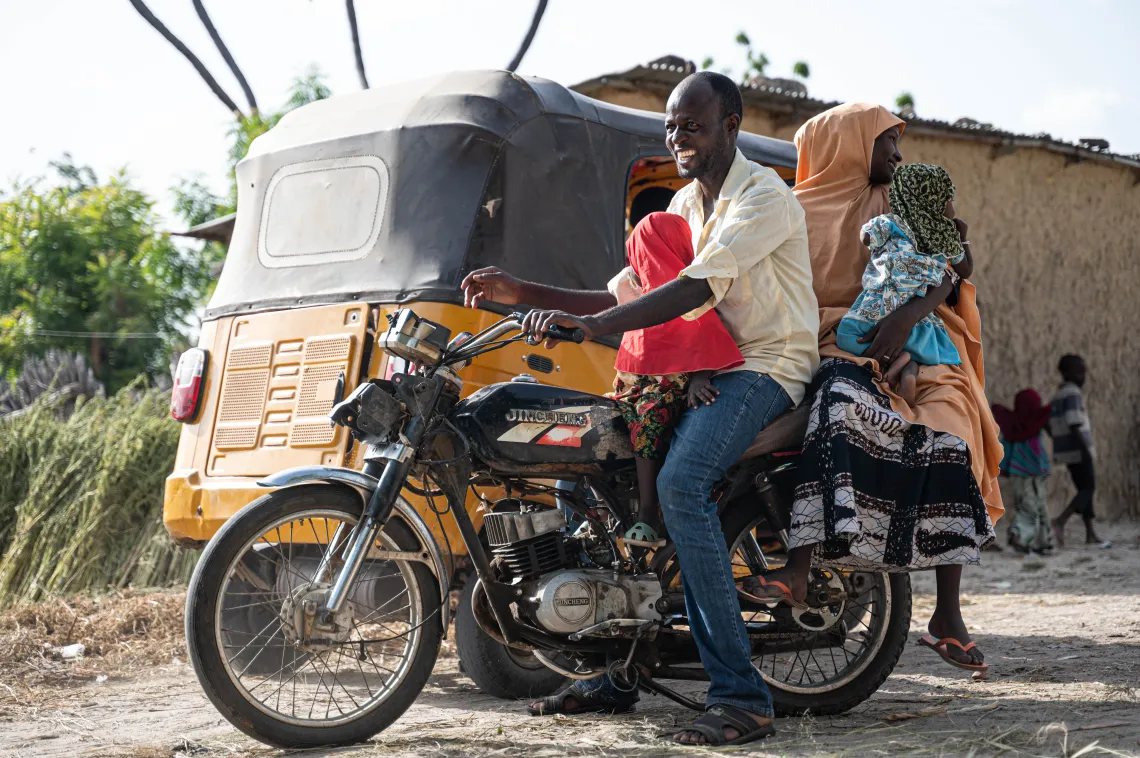
In Kalifadi settlement, Nguru, Lukman, a 45-year-old health worker practices what he preaches.
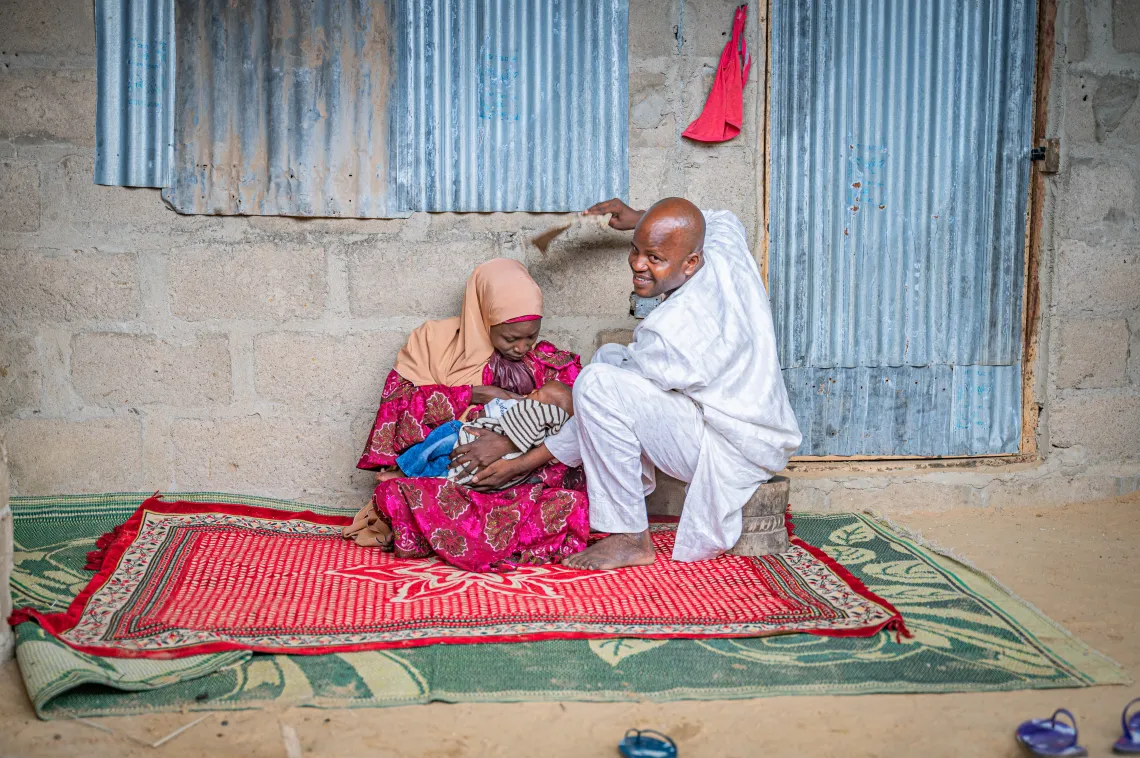
I have 11 children and they all enjoyed exclusive breastfeeding. It was not easy for my wives, but my job is to encourage them in any way possible. Sometimes it is by doing small things like making sure your breastfeeding wife is eating well, has good hydration and gets adequate rest. She does not have to carry the baby all the time. Encourage her to rest even when she is not tired. Even up till today, my children are strong. That’s the secret I have used for all my children.
With support from UNICEF through partners like Action Against Hunger (AAH) and Jireh Doo Foundation (JDF), families in Yobe State are provided with Micronutrient powder and knowledge on breastfeeding and home-based farming to help prevent and reduce cases of malnutrition in northeast Nigeria.