The children Sarah refuses to leave behind
How support from the Republic of Korea is helping one health worker ensure more children grow up protected from deadly diseases

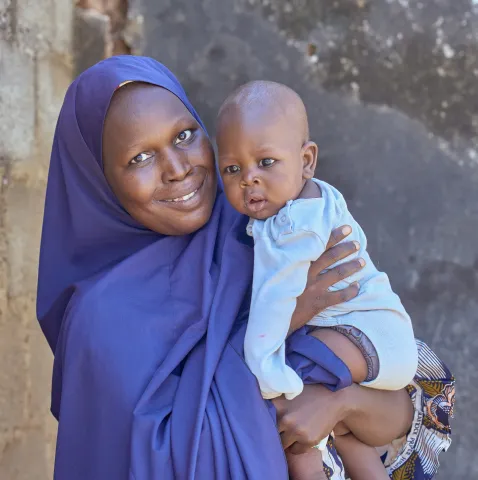
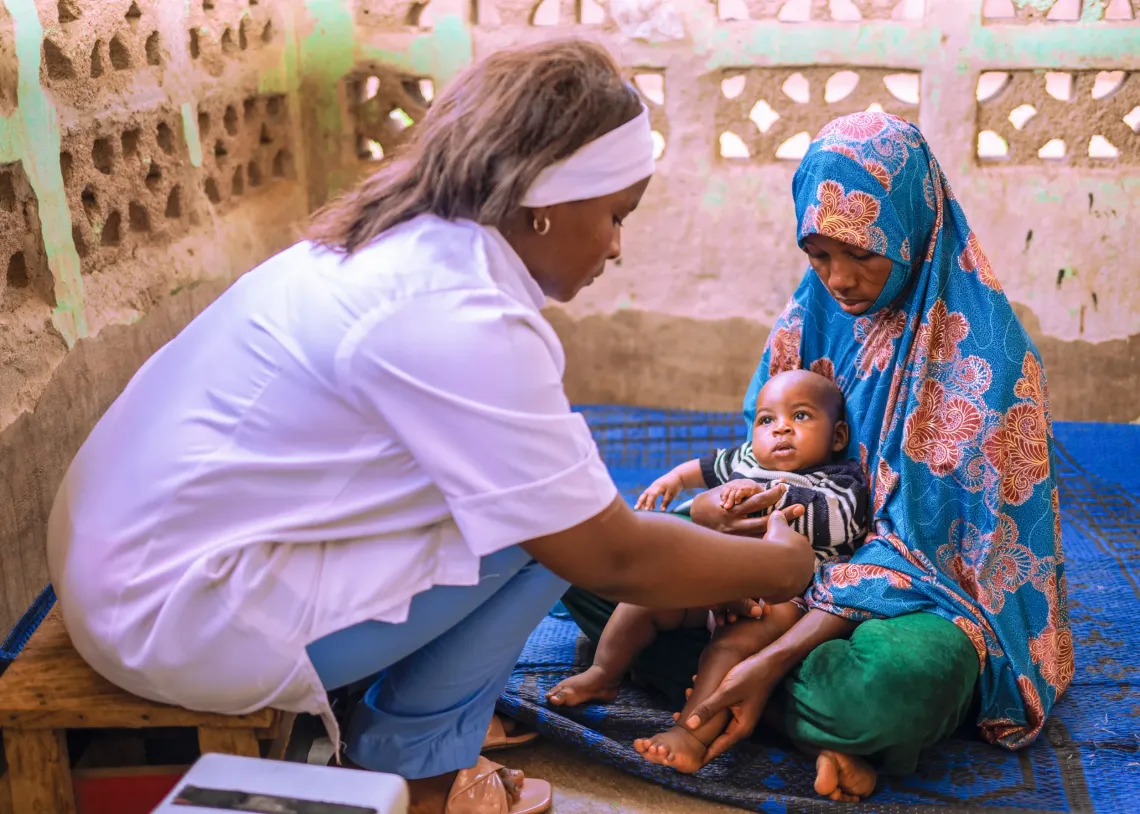
Every time Sarah Andrew vaccinates a newborn baby, she silently hopes she will see that child again.
Not because the baby is sick, but because routine immunization is not a single visit. It is a journey that begins at birth and continues through the first years of life. When families do not return for the next appointment, children are left without the full protection they need.
"A child who completes the full schedule of routine immunization is a protected child," Sarah says. Sarah has worked as a health worker in Gombi Local Government Area (LGA) of Adamawa State. She has seen children suffer from diseases that could have been prevented with a vaccine. She has watched parents rush desperately to health facilities with seriously ill children, wishing they had known earlier that vaccination could have prevented such.
"Children should not fall ill because they were not vaccinated," she says.
Vaccines protect children at the stage of life when they are most fragile. Their immune systems are still developing, making them far more vulnerable than adults, to diseases that can cause disability or even death.
"A child's immunity is not like that of an adult," Sarah explains. "Vaccines help build that protection."
Yet many children still miss out.
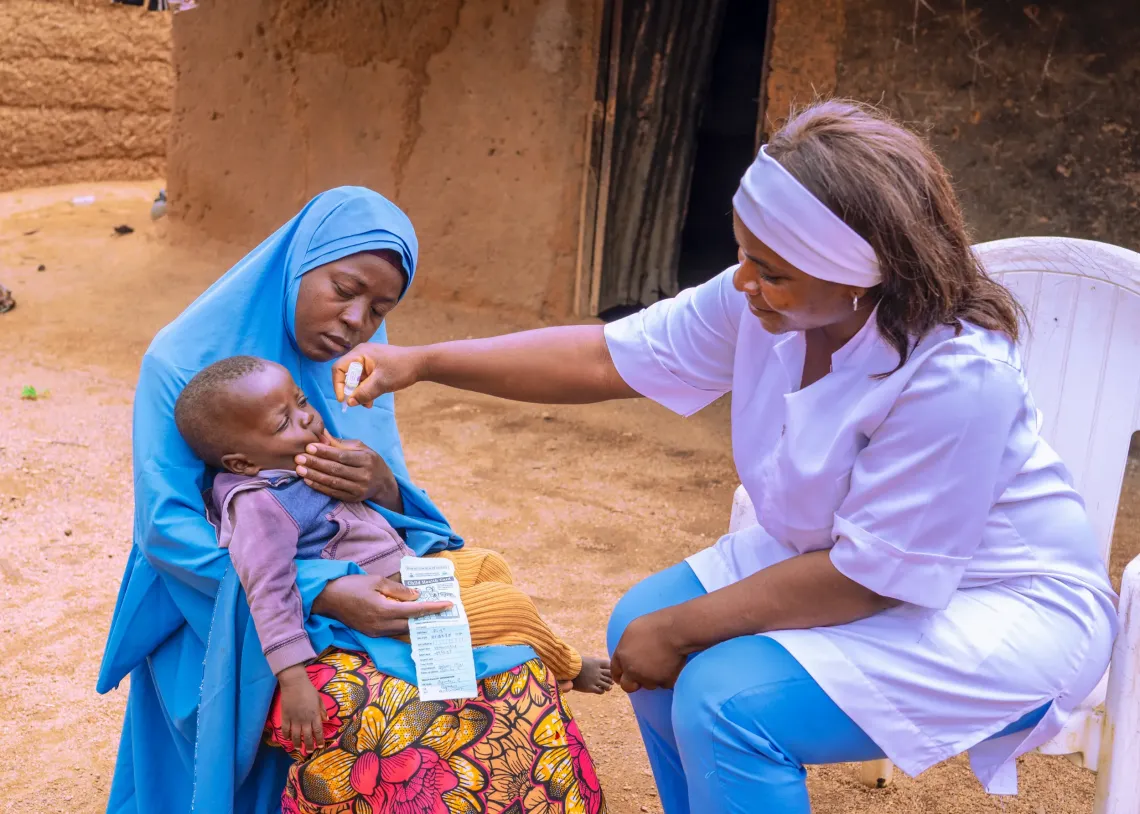
Some are born at home and never brought for their first vaccination. Others receive one or two doses before their families relocate, miss appointments or decide not to return because of rumours or misconceptions. These children become either zero-dose children, having received no vaccines at all, or under-immunized children who never complete the full schedule.
"Home delivery, relocation and non-compliance are some of the reasons children miss routine immunization," Sarah explains. "Sometimes parents bring a baby for the first vaccine but never come back. That child grows up without the protection they deserve."
Sarah thinks waiting for families to return is not enough. Every child who misses a vaccine is a child who must be found.
That is why Sarah welcomed a new initiative to strengthen routine immunization in Gombi and other LGAs in Adamawa State. Funded by the Republic of Korea (ROK), implemented by Adamawa State with support from UNICEF, the initiative is expanding the efforts to reach more children with lifesaving vaccines. It strengthens Nigeria's existing immunization services, helping health workers reach children who would otherwise have been left behind.
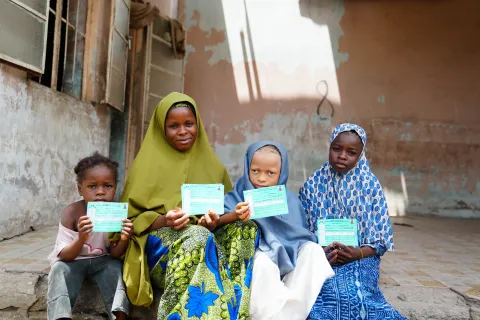
Community volunteers mobilize families, health workers follow up with children who miss appointments, and vaccination services are taken closer to communities, so distance is no longer a barrier. Sarah says the difference is already visible. "We have been able to reach more children who would have missed their doses," she says.
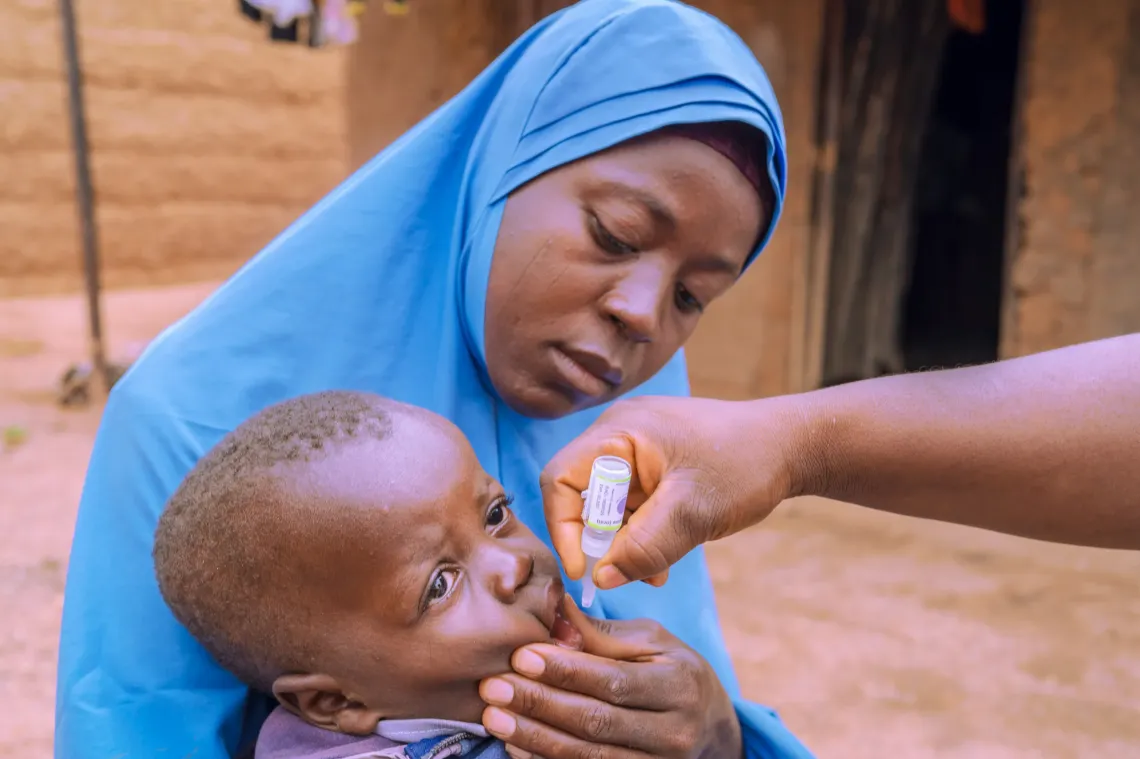
One of the programme's key strategies is the Periodic Intensification of Routine Immunization (PIRI), which focuses on communities with large numbers of zero-dose and under-immunized children. Health workers go into communities, carrying vaccines directly to the children who need them most.
"This approach has really helped us," Sarah says. "We are finding zero-dose children and those who have not completed their vaccinations."
The outreach does more than deliver vaccines. It gives parents the opportunity to ask questions, raise concerns and receive accurate information from trusted health workers.
"People need to understand that vaccines are good for their children," Sarah says. "Once they understand, they are much more willing to bring them for immunization."
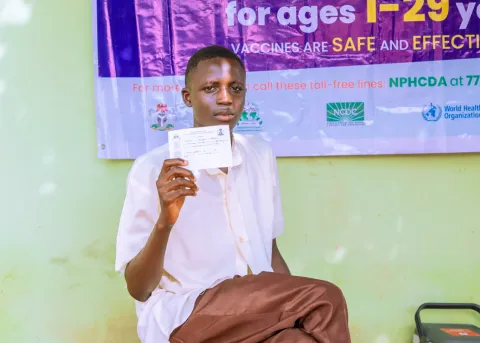
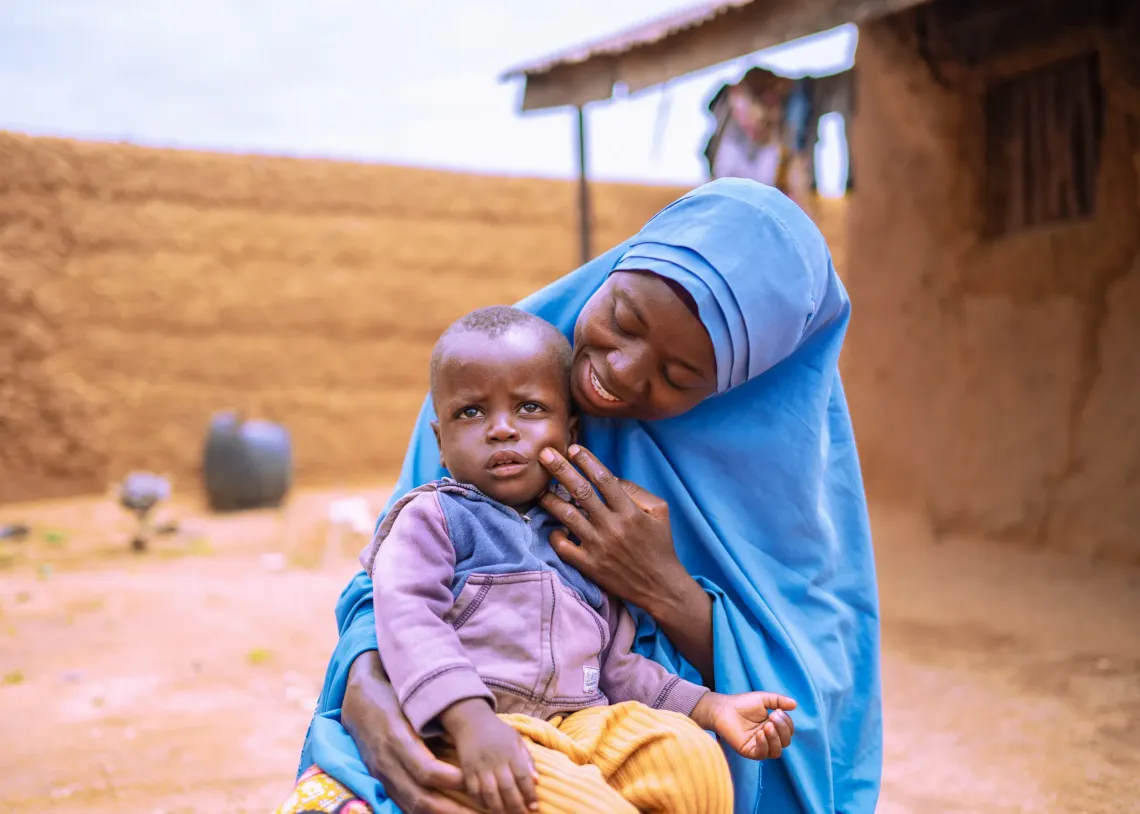
Sarah sees every child who completes the vaccination schedule as more than another number in a register. It means one more child protected and a family spared the heartbreak of a preventable illness. With ROK’s PIRI, she is increasing the number of such children. And with continued support, she refuses to let any eligible children, who might otherwise have been missed in her community, be without the protection they deserve.