The Children the Healthcare System Have Not Reached
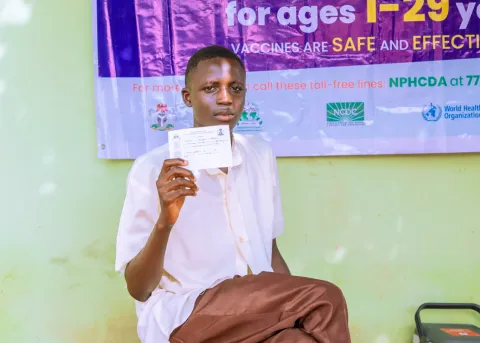
The Republic of Korea, UNICEF, and Nigeria recently launched a partnership to reach 2.2 million children who have never received a single vaccine.
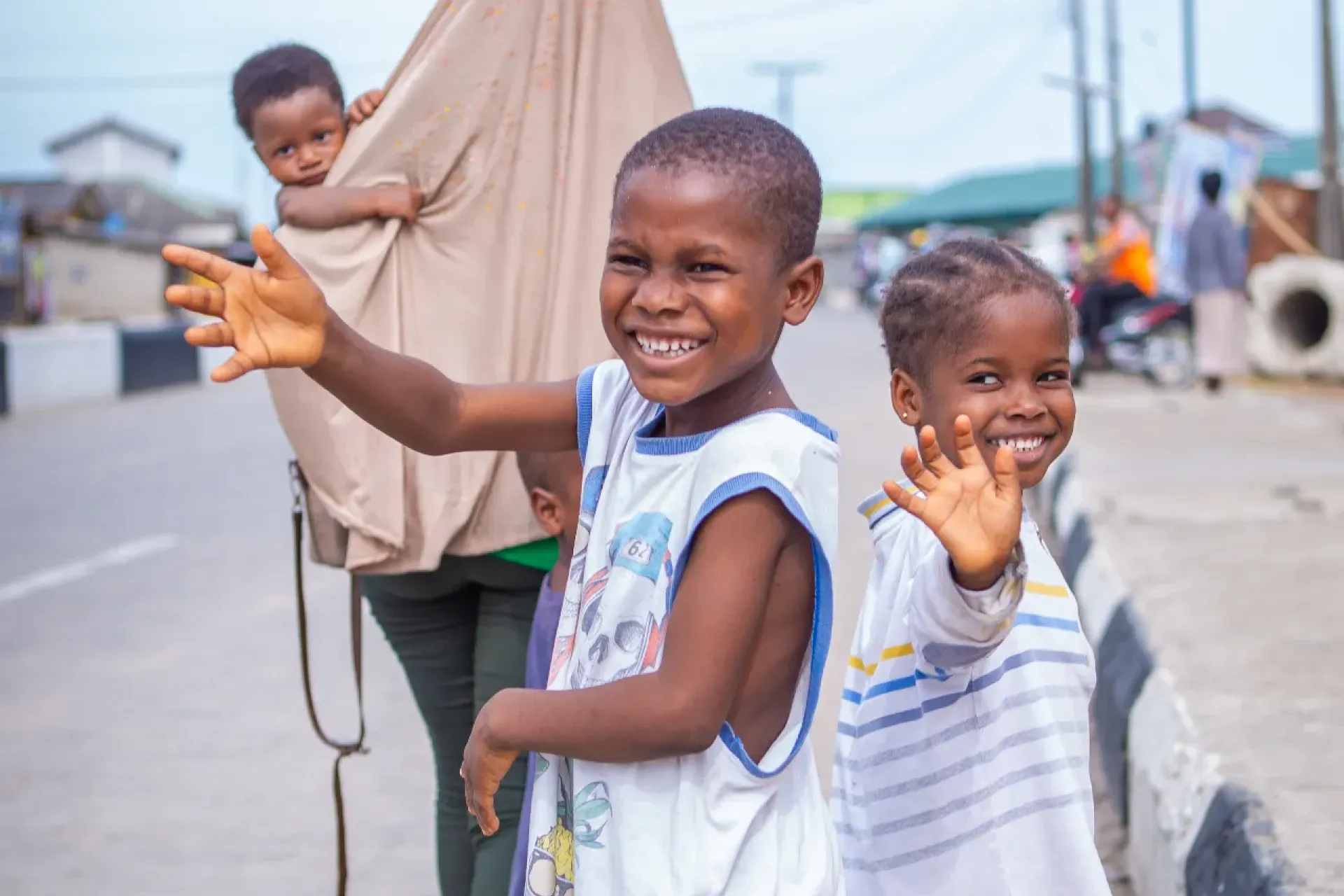
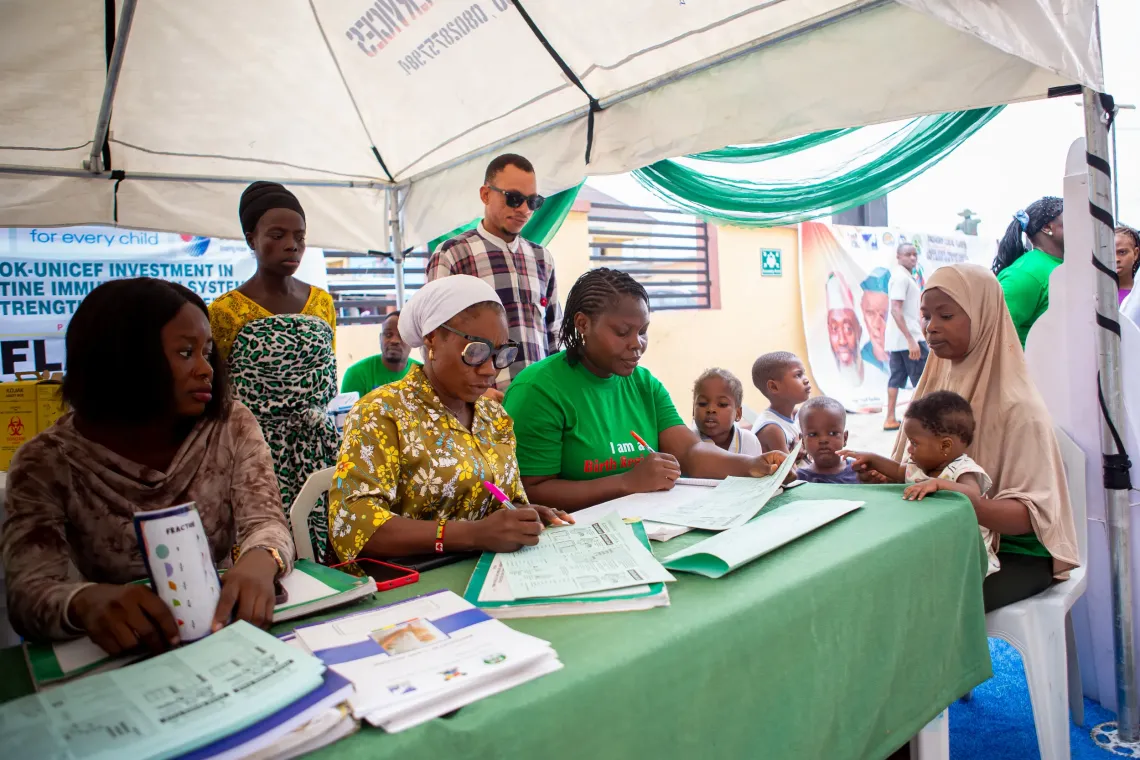
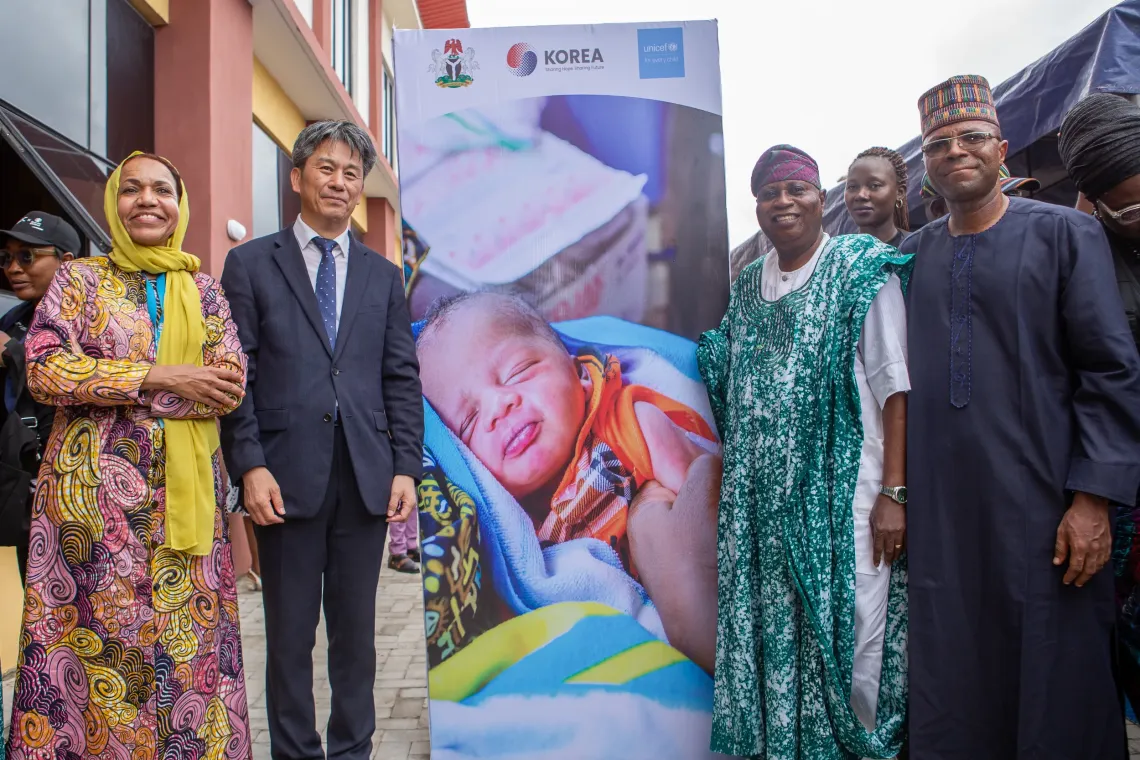
The drive into Badagry, Lagos – venue of the launch takes you through coconut trees leaning over white sand, past fishing boats and border checkpoints, and through communities older than the borders that now define them. By the time the dignitaries arrived, Badagry City Hall was already alive. Tents had been set up in the morning heat - vaccines on one side, nutrition screening and food demonstrations on another, health counselling behind. Inside the hall, government officials from Lagos and Ogun states, the Republic of Korea, UNICEF, and community leaders were gathering to formally mark the beginning of the implementation of the partnership. Outside, the real work had already begun.
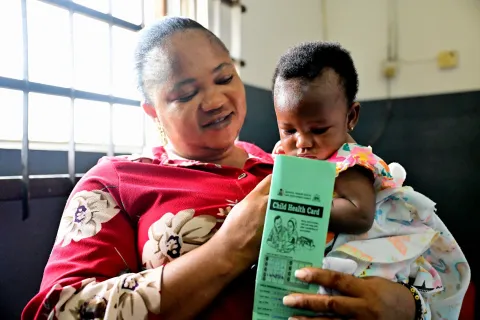
Among those making their way to the tents was Rofiat Hundeyi, 29, an artisan from a nearby community. She arrived with four children - aged six, five, three, and five months. None of them had ever received a single vaccine.
She had heard about the outreach in her community and decided to come. It was not a straightforward decision. For years, fear had kept her away.
“There were many things that people have said. Some say vaccines are not safe, and that increased my fear,” she recalled.
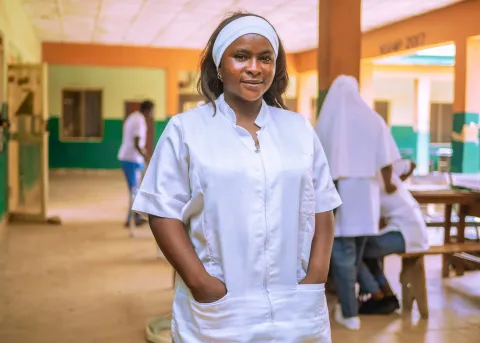
What changed her mind was a friend - a nurse, who sat with her, answered her questions, and kept following up until something shifted.
“She kept encouraging me and following up with me until I began to understand that immunization is safe and important,” Rofiat said.
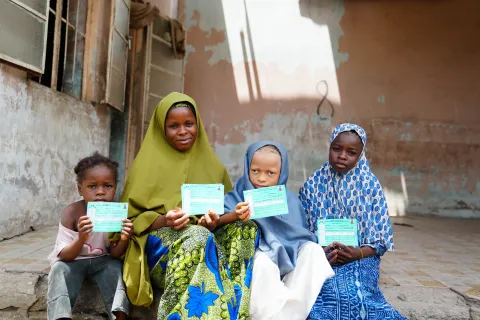
Nigeria has an estimated 2.2 million children like Rofiat’s children who have missed immunization services not because their families do not care, but because of misinformation, distance and other reasons including a health system that has not found them yet. These children live in urban slums, border communities, migrant populations, riverine villages, and conflict-affected areas.
The cost of this gap is real. Unvaccinated children are the most exposed to measles, diphtheria, whooping cough, and other preventable diseases. And when outbreaks occur in Nigeria, they spread fastest and strike hardest in communities where children have no vaccine protection.
“The existence of millions of unvaccinated children in Nigeria is not a failure of science or of vaccines. It is a failure of reach. And reach is something we can fix if we commit the right resources, the right partnerships, and the right level of urgency to the task,”
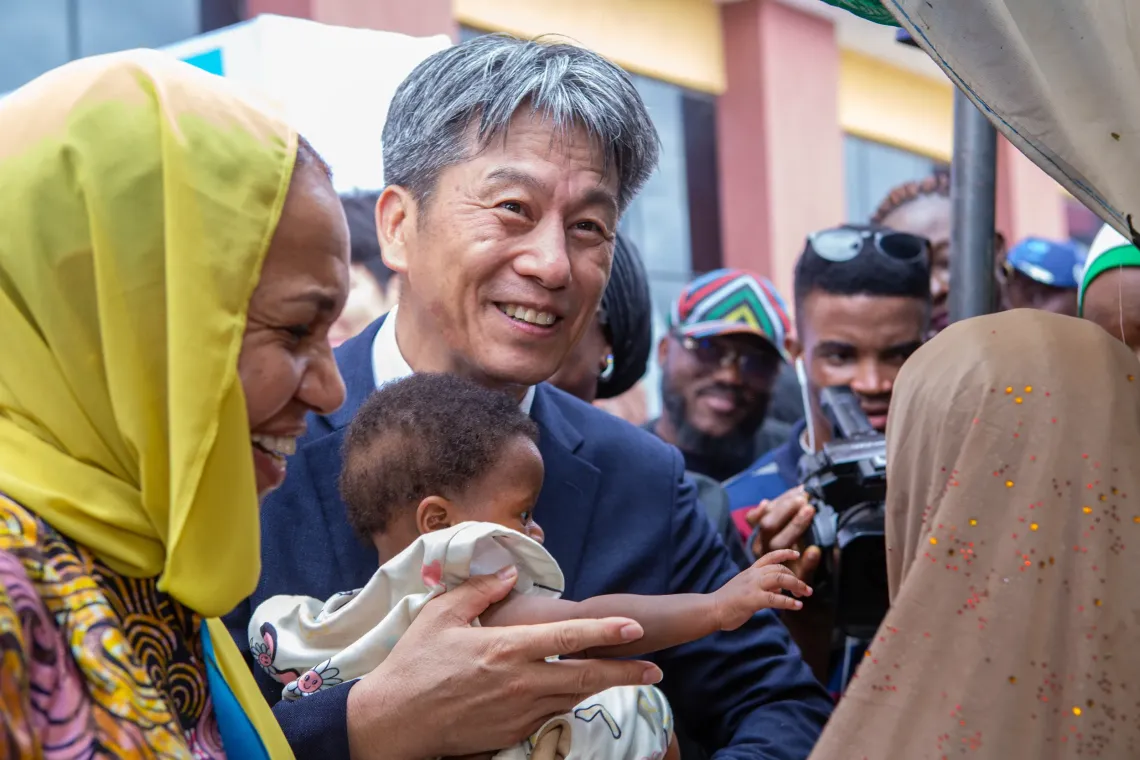
A partnership built on shared purpose
The UNICEF-Republic of Korea partnership, operating under the Access to COVID-19 Tools Accelerator (ACT-A) framework, is now in its third consecutive phase (December 2025 – December 2026). Building on investments initiated in 2023, this collaboration delivers a timely and strategic contribution to strengthening critical health infrastructure across remote and urban-poor communities, expanding access to life-saving vaccines and driving positive impact on both the national health sector and global health security. The programme targets six states - Lagos, Ogun, Kebbi, Bauchi, FCT, and Adamawa, selected because together they capture the full complexity of Nigeria’s immunization gap: cities where growth has not translated into health equity, border communities where mobile populations fall between the cracks of health system coverage , and states where routine immunization remains fragile due to insecurity and conflict.
The programme will operate through Nigeria’s existing national and state health systems, supporting government efforts to improve vaccine delivery, rebuild community trust, and ensure no child is left behind. Key interventions include community mobilization, systematic tracking of children who miss their vaccinations, and integrated health service delivery- all designed to find and reach unvaccinated children wherever they are.
Immunization will not arrive alone. Nutrition screening, food demonstrations, and health counselling will be delivered alongside vaccines – just as they were at the Badagry City Hall tents on the day of the launch.
“The Republic of Korea’s investment to reduce cases of unvaccinated children in Nigeria is a symbolic goodwill gesture in response to this challenge to ensure that the trend of zero-dose and under-immunized children is adequately addressed, leading to a state of properly vaccinated children as well as strengthening the Nigerian healthcare system”
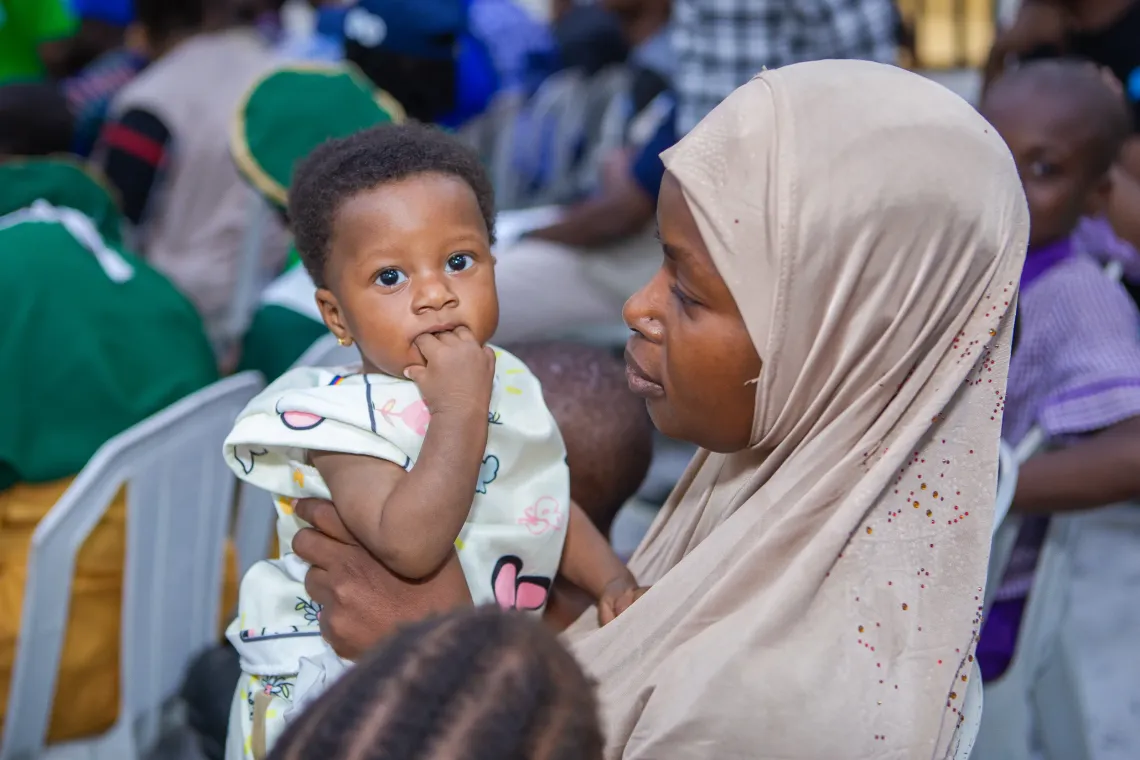
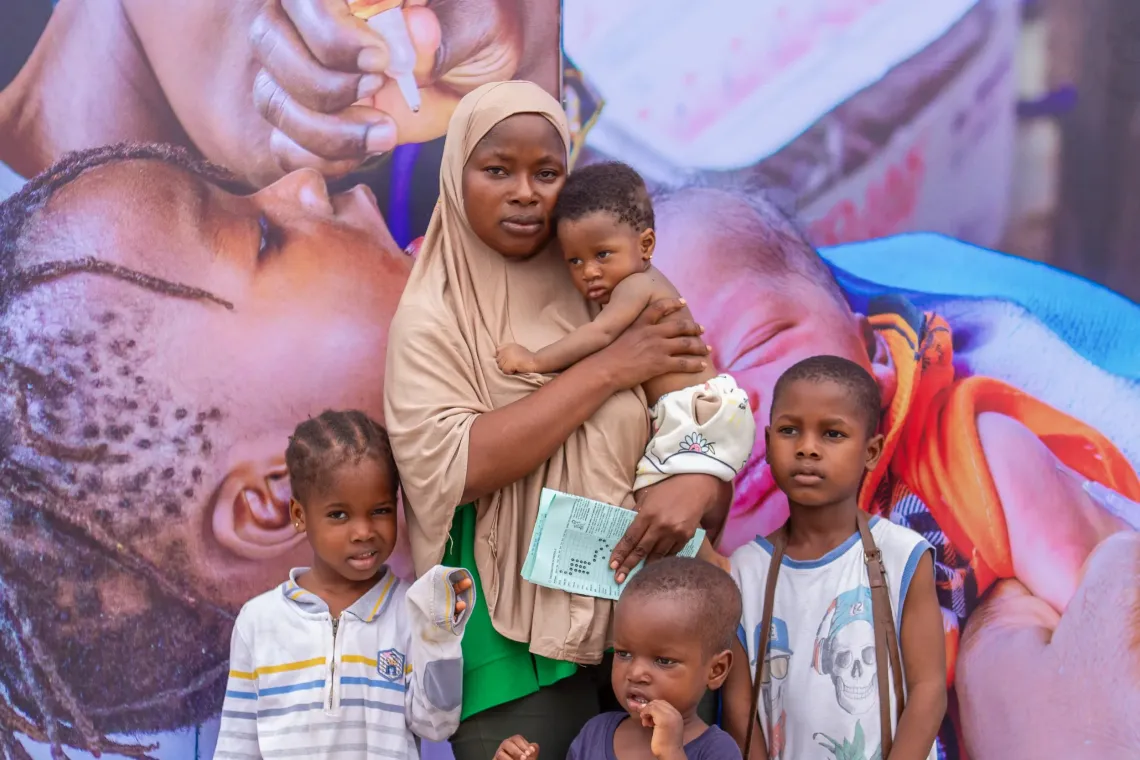
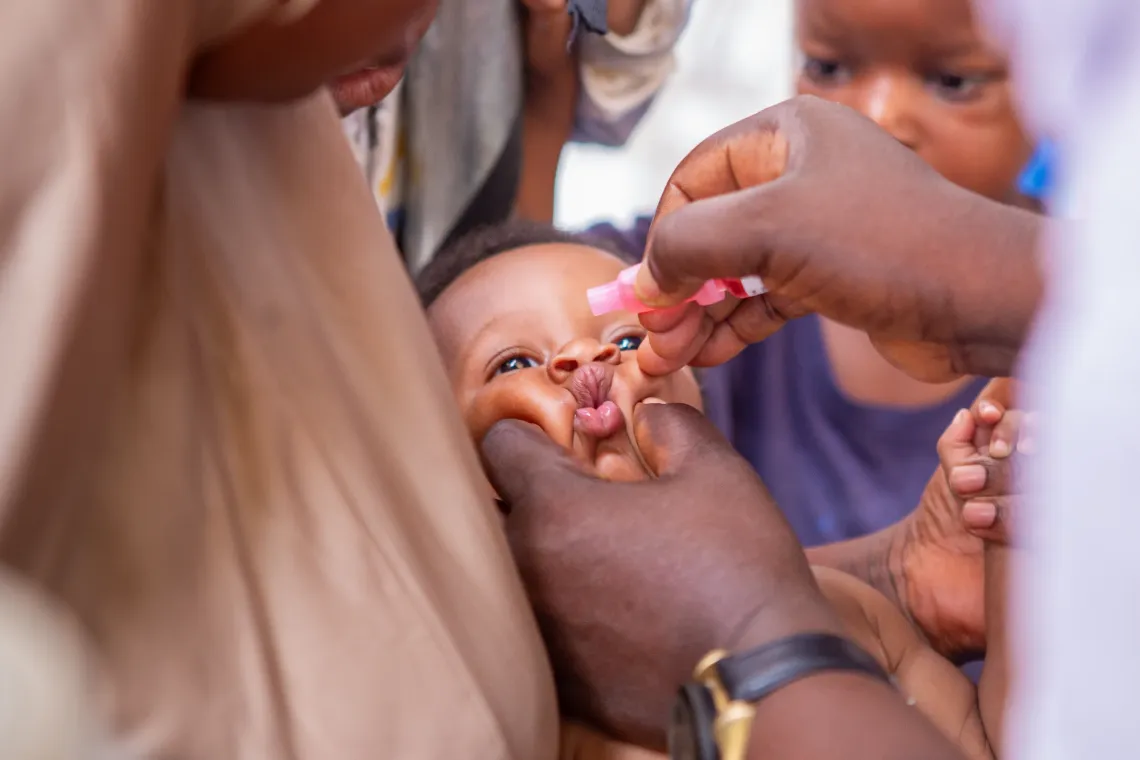
Back at the tents, that is exactly what happened for Rofiat. All four of her children received every routine vaccine their ages required - from the five-month-old baby to her six-year-old. They were also screened for malnutrition, and Rofiat received counselling on nutrition and child health - information she said she had never been given before.
As the nurses administered the injections, she felt the weight of the moment.
“It was almost like I was the one receiving injections. I don’t like seeing children in pain, but I understand now that the pain is only for a short time and it is for their good,” she said.
By the time she was ready to leave, something had shifted in how she spoke about all of it.
“Now I truly understand the importance of immunization. I can see the difference between a child who is immunized and one who is not. When a child is healthy, the mother is at peace. When a child is sick, the mother is also troubled.”
The road ahead
The flag-off at the Badagry City Hall is the beginning of implementation across all six states, built on the Government of Nigeria’s Big Catch-Up plan - which targets 100 high-priority Local Government Areas holding over 1.5 million unvaccinated children - and aligned with the National Immunization Strategy Agenda 2030.
“Success here will not be measured by what we deliver during the life of this investment. It will be measured by whether Nigeria’s health system - its workers, its data, its community relationships - is permanently stronger because of it” said Wafaa Saeed, UNICEF Nigeria Country Representative.
That standard demands more than number of children vaccinated. It demands health facilities that communities trust enough to return to, community health workers whose skills and relationships outlast any single programme, and data systems that can find a missed child before that child becomes a statistic.
Rofiat may not have fully understood the scale of what launched that day - the partnership, the dignitaries and the speeches. But she understood what happened to her children. And she left with something she had not expected: the intention of telling others.
“I am grateful I made this decision. Immunization helps children grow strong and healthy.”