The Big Catch-Up Campaign: Making Vaccines Readily Accessible for Children in Nigeria
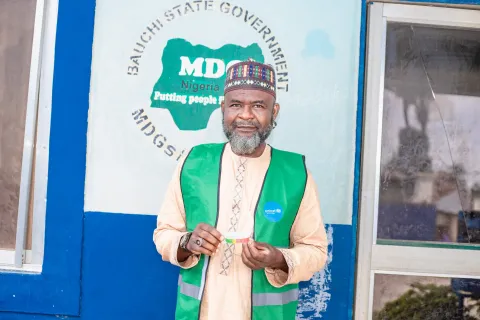
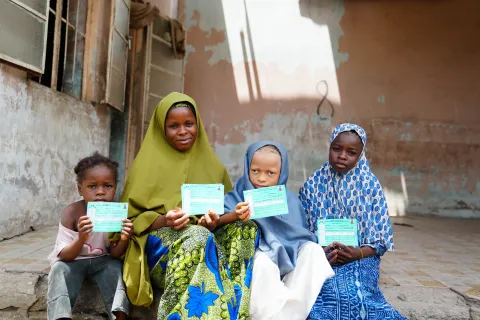
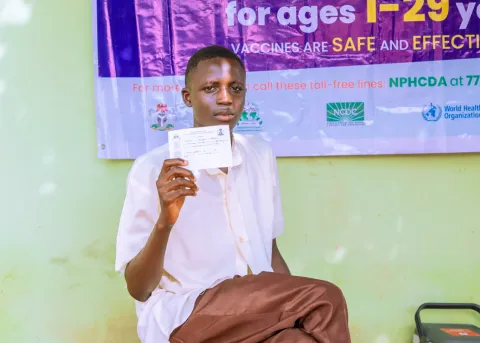
Hundreds of eligible children get vaccinated during the BCU Campaign in Akwa Ibom State.

Mrs. Chikaodili Utibe is a young 33-year-old mother who takes her baby’s immunisation very seriously. Utibe is one of many mothers seen waiting patiently at St. Luke’s Hospital in Anua, Akwa Ibom state, with her 10-week-old daughter ready to be vaccinated during the Immunisation Day’s activities under the ongoing Big Catch-Up (BCU) campaign.
I like immunisation because it keeps the children healthy and prevents them from little sicknesses that fly around. If you fail to immunise your child, you are doing more harm.
The Akwa Ibom State Ministry of Health, in partnership with the NPHCDA, UNICEF, WHO, and other local agencies, embarked on a weeklong BCU campaign to close the gaps created by the COVID-19 pandemic, which prevented most children within the 0-59 month age bracket from getting fully immunised.
The campaign also aims to immunize “Zero Dose” children with routine immunisation, including Oral Polio, and to provide other integrated PHC services such as Vitamin A supplementation and deworming.

We heard from the Antenatal clinics, radio and television of the upcoming BCU campaign and where we can obtain these services.
Reaching zero-dose children requires locating them as well as implementing appropriate community engagement strategies. Since such communities often include those placed in remote and rural areas, the urban poor or conflict-affected zones facing various forms of deprivation, cross-sectoral collaboration is usually needed to identify and reach them.
Starting in 2020, SDG3 GAP partners and the Nigerian government collaborated to create a data system to identify zero-dose communities. Led by the National Primary Health Care Development Agency (NPHCDA) and supported by UNICEF and WHO, this effort combined data from various sources, such as immunisation records, health facilities, surveys, and local community data at the subnational level.
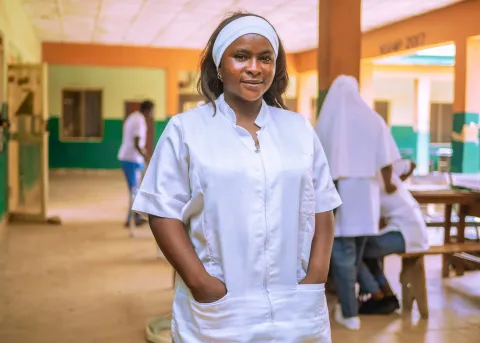
At St. Luke’s Hospital, Mrs. Anthonia William Udo, the Healthcare Sister-in-Charge and the ward’s focal person were seen coordinating the immunization day activities. “The BCU campaign is a very good opportunity of getting under immunised and zero dose children immunized, after COVID-19 began,” she confirmed.

The campaign involves partnerships between the Nigerian government, the Federal and State Ministries of Health, and various international organizations. This includes activities like mass call-backs, expanded outreach, and ensuring robust newborn and default tracking.

The “Big Catch-Up” initiative is a worldwide effort led by organizations like the WHO, UNICEF, and Gavi to address vaccine coverage disruptions during the pandemic.
In the words of Dr. Abe, “Through the ongoing BCU campaign, we are recording more eligible children getting immunized. The aim is to reduce the number of zero-dose children, restore routine immunisation coverage, and protect children from vaccine-preventable diseases.”
In Nigeria especially, this is being achieved by targeting children who missed their initial scheduled doses and strengthening healthcare systems to deliver immunisation services effectively. The mission emphasizes strengthening Routine Immunisation (or RI) by improving data collection, increasing healthcare staff, enhancing community engagement, and addressing access issues for infants.