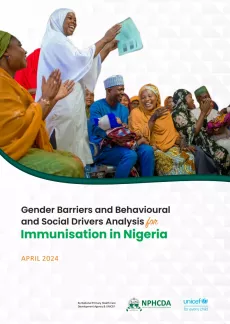
Gender Barriers and Behavioural and Social Drivers Analysis for Immunization in Nigeria
Findings and recommendations from a rapid gender analysis of the state of immunization in Nigeria.
Highlights
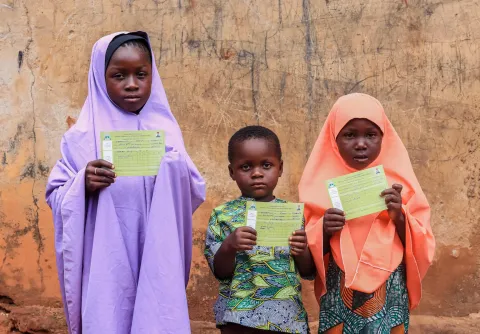
According to the 2021 Multiple Indicators Cluster Survey (MICS) and National Immunization Coverage Survey (NICS) for Nigeria, 18% of children aged 12-23 months did not receive any routine immunizations, while just 36% of children in this age range received all the recommended immunizations. Given its low vaccine rates, Nigeria is one of six countries corresponding to half of all zero-dose children globally (WHO 2023).
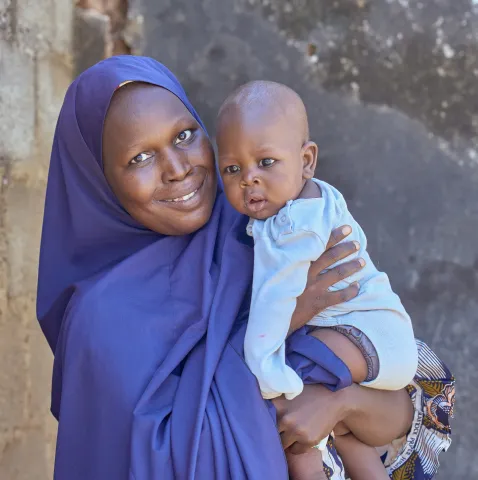
Studies have increasingly revealed that gender influences immunization rates globally. Nigeria is no exception. Nigerian women traditionally bear the primary responsibility for their children's health, which places them at the forefront of ensuring their children receive essential healthcare, including vaccinations. However, Nigerian women encounter a series of multifaceted gendered barriers, such as low levels of education or unemployment among women, that impede access to and utilization of immunization services. The unique sociocultural context and systemic challenges in healthcare delivery exacerbate these barriers, contributing to the persistently low immunization rates.
This report is based on a Rapid Gender Analysis of the state of immunization in Nigeria. It provides insights that can inform targeted interventions to better address the low immunization rates among children in the country. The report answers the following question: What are the gender-related factors that influence access to and utilization of immunization services in Nigeria? To answer this question, the report addresses two additional sub-questions: 1) what are the gender-related barriers to immunization? and (2) what are the behavioral and social drivers that increase immunization?