Canada Convenes Development Partners Forum in Bauchi to Strengthen Sustainable Development Partnerships
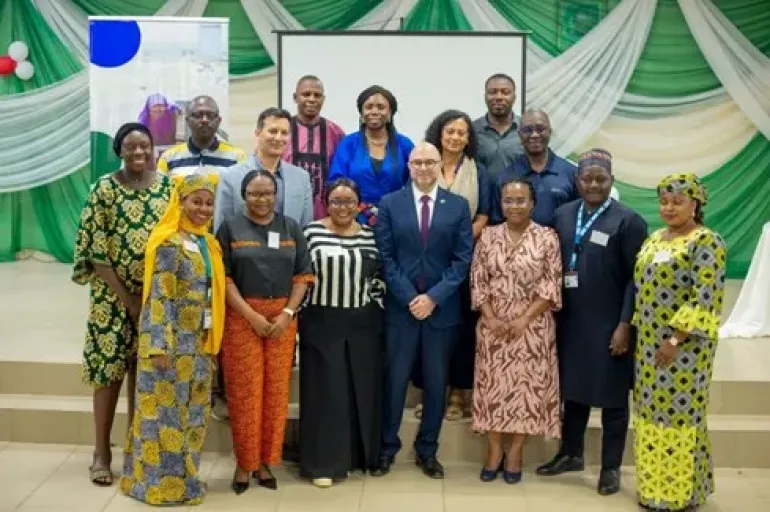
Bauchi, Nigeria. Building on International Development Week, Global Affairs Canada (GAC) led a mission to Bauchi State from February 9–12, 2026 to strengthen Canada’s long-standing development partnership with Nigeria and advance dialogue on sustainable and inclusive growth.
The mission included field visits to Canadian-supported projects and a courtesy meeting with the Bauchi State Government, including the Deputy Governor, His Excellency Auwal Jatau, who reaffirmed Bauchi State’s commitment to continued collaboration with Canada and its partners to advance development priorities across the state.
The visit concluded with the Development Partners Forum on February 12, bringing together more than 80 participants from government institutions, development partners, civil society, and implementing organizations. Key partners included United Nations Children's Fund (UNICEF), Mennonite Economic Development Associates (MEDA), WaterAid, ActionAid Nigeria, and Plan International Nigeria.
Canada and Nigeria share a strong and longstanding development partnership. Since launching its bilateral development program in 2001, Canada has provided over CAD 2.1 billion in international assistance to Nigeria. Bauchi State remains a key partner, with five of Canada’s ten active bilateral development projects implemented in the state.
The forum focused on the theme “Sustainability, Trade-Development Nexus, and Private Sector Engagement in a Changing Official Development Assistance (ODA) Context.” Discussions explored how development cooperation can increasingly support market creation, economic resilience, and inclusive growth, particularly as development financing evolves globally.
Canada’s work in Bauchi aligns with Canada’s Africa Strategy – A Partnership for Shared Prosperity and Security, which emphasizes stronger economic partnerships, poverty reduction, sustainable development, and deeper people-to-people ties across Africa.
Arash Irantalab, Head of Development Cooperation at Global Affairs Canada, highlighted Canada’s evolving approach to development cooperation:
“Official development assistance could be used not only for social investment, but also as a strategic tool to strengthen enabling environments, de-risk markets, and advance shared prosperity.”
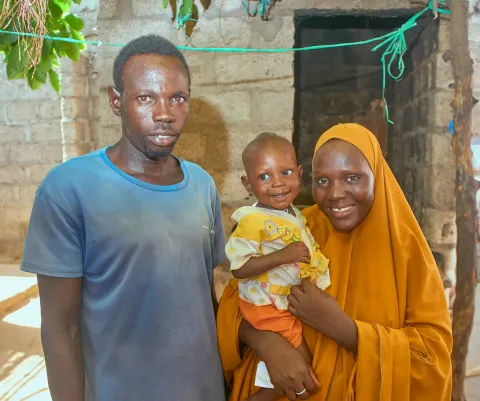
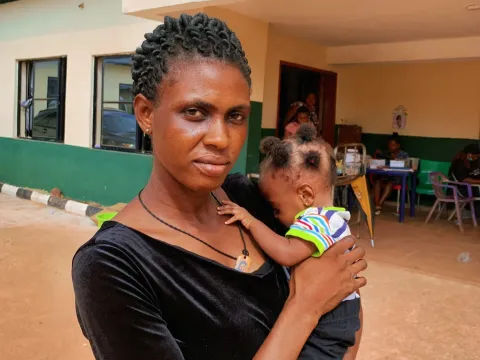
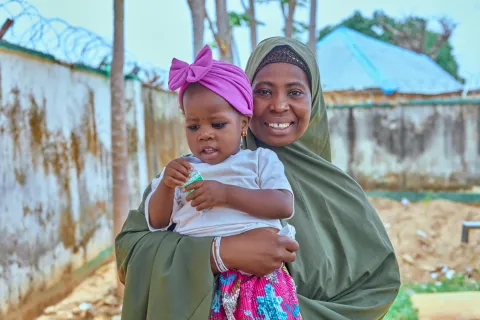
Partners also shared results from Canadian-supported initiatives in Bauchi State.
Among other results, Canadian-funded programs in Bauchi have:
• supported 173 primary health centers and trained 323 health workers to strengthen maternal and child health services;
• reached over 12,900 adolescents with reproductive health and nutrition services;
• contributed to 1.6 million children receiving Vitamin A supplementation;
• helped establish 646 community health groups that referred over 172,000 people to health facilities;
• trained 421 school teachers and supported treatment for 1,402 adolescent girls and 1,202 adolescent boys experiencing depression; and
• supported policy advocacy that led to six months paid maternity leave for new mothers in Bauchi State.
Programs supporting women and girls have also strengthened protection systems — including the management of 799 gender-based violence cases, resulting in 78 cases brought before the courts and 51 convictions. Other support areas include economic opportunities, women’s leadership initiatives, and increased knowledge of sexual and reproductive health rights among adolescent girls and young women from 33% to 65%.
Participants emphasized that private sector engagement will be essential to sustaining these development gains. Dr. Lydia Shehu, Director General of the Bauchi State Sustainable Development Goals Office, noted:
“Implementing partners must link private sector engagement to their development efforts to ensure long-lasting results.”
She also highlighted the importance of local ownership and innovation:
“The withdrawal of external funding exposes gaps that demand stronger local ownership and innovative resourcing to ensure no one is left behind.”
Feedback gathered during the forum will help inform the future direction of Canada’s development programming in Nigeria, ensuring stronger coordination among partners and greater alignment with Nigeria’s national development priorities, including Nigeria’s Agenda 2050.
Through partnerships with governments and local communities, Canada remains committed to supporting Nigeria in building a healthier, more resilient, and more prosperous future.
Media contacts
About UNICEF
UNICEF promotes the rights and wellbeing of every child, in everything we do. Together with our partners, we work in 190 countries and territories to translate that commitment into practical action, focusing special effort on reaching the most vulnerable and excluded children, to the benefit of all children, everywhere.
For more information about UNICEF and its work for children in Nigeria, visit www.unicef.org/nigeria