WHO and UNICEF: increase investment in mental health
It is estimated that up to one in five adolescents will undergo a mental health condition every year

- Crnogorski
- English
PODGORICA, 10 OCTOBER 2020 – On the occasion of the World Mental Health Day, celebrated worldwide on 10 October, UNICEF and WHO are calling for increased investment in mental health programmes for children and adolescents in Montenegro.
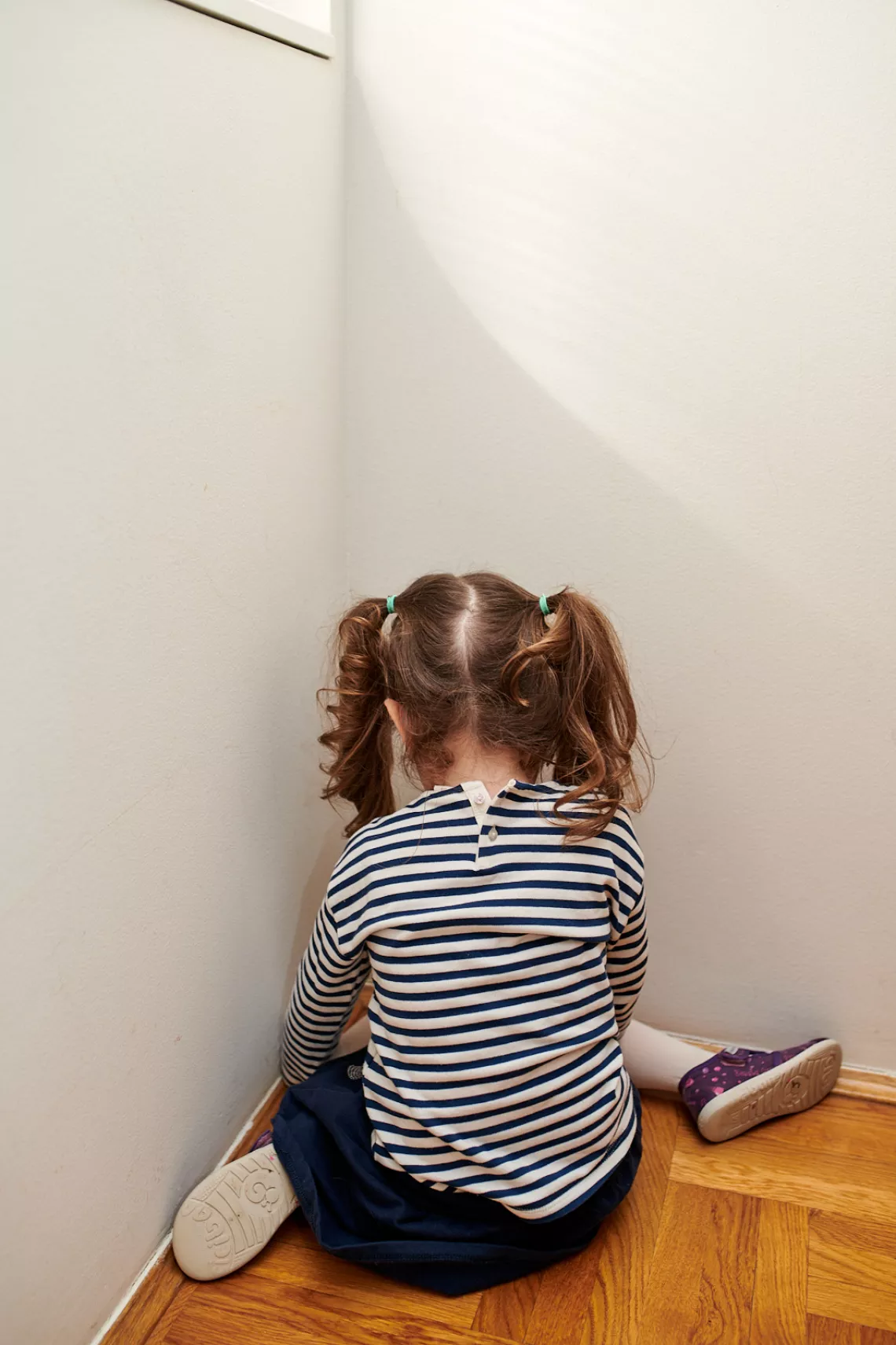
Mental health issues among children and adolescents constitute a major public health and sustainable development challenge globally. It is estimated that up to one in five adolescents will undergo a mental health condition every year. Suicide is a leading cause of death for adolescents in the European region and this is increasingly a global trend.
More than 100 million people in WHO’s European region have a mental disorder and anyone, anywhere, can be affected. Relatively few people around the world have access to quality mental health services. In low- and middle-income countries, more than 75% of people with mental health conditions receive no treatment for their condition at all. COVID-19 has exacerbated the situation. The public health measures and restrictions put in place to break the transmission chain have caused a disruption in the availability and continuity of mental health services.
One of the key challenges in this area is the lack of data on child and adolescent mental health services. Two-thirds of countries do not have any data for mental disorders and, for those countries which do, this data is often unavailable for children and adolescents.
Systematic data collection on mental health conditions among adolescents is an essential step towards identifying their needs and appropriately tailoring interventions for them at the national and local levels. UNICEF is developing a methodology for international data collection on this issue. We are ready to support Montenegro in this area to ensure that effective mental health services are provided for every child and adolescent.
The promotion and protection of mental health have become even more important during the COVID-19 pandemic, and this has had a powerful psychological effect on young people, families and communities across the world. The mental health and well-being of children and adolescents have been seriously affected by the pandemic, especially by the socio-economic impact and by mitigation measures that may inadvertently be doing more harm than good, such as school closures. Children who are already disadvantaged or in vulnerable situations will suffer the most damaging long-term consequences.
According to research conducted in Montenegro by Ipsos in May of this year, with the support of UNICEF and WHO, more than half of Montenegrin citizens (56%) are concerned that they or their close ones could become infected with COVID-19 and this percentage is even higher among those with chronic diseases (61%). At least a third of respondents were distressed. Almost one in five citizens reported feeling angry, afraid, sad and lonely during the pandemic. Such emotions are more common among those with a chronic illness. Slightly fewer than one-third of citizens reported being bored, and among them are more commonly younger people and those who consume tobacco to a greater extent.
“WHO has supported the provision of psychosocial services in the community in Montenegro to persons with severe mental illness. The serious gaps that still exist in mental healthcare are a result of chronic under-investment over many decades in the promotion, prevention and care of mental health. Evidence shows that for every dollar invested in scaled-up treatment for depression and anxiety, there is a return of five dollars,” WHO Representative to Montenegro Mina Brajović, Dr Sci. Med. pointed out.
Last month, UNICEF and WHO signed a new Joint Programme on the Mental Health and Psychosocial Wellbeing and Development of Children and Adolescents. This 10-year collaborative effort will seek to increase access to care for young people with mental health conditions, reduce suffering and enhance the quality of life among children and adolescents, and their caregivers. To support these objectives, WHO and UNICEF have also been working together to develop Helping Adolescents Thrive or HAT, an initiative that provides guidance to countries on evidence-based strategies for the promotion and protection of mental health.