Mental health for every child
UNICEF and Montenegro’s associations of psychologists, educators and defectologists are calling for increased investment in mental health programmes for children and adolescents in Montenegro
- Crnogorski
- English
PODGORICA, 11 OCTOBER 2020 – On the occasion of World Mental Health Day, celebrated worldwide on 10 October, UNICEF and Montenegro’s associations of psychologists, educators and defectologists are calling for increased investment in mental health programmes for children and adolescents in Montenegro.
Teaching students essential life skills, such as self-awareness, managing distressing emotions and empathy, is a necessary part of a quality education system. Childhood and adolescence are critical times to learn to recognize and manage different emotions effectively. Research shows that negative attitudes and behavioural patterns can be reversed. With training, young people can learn new emotional responses and acquire the emotional and social skills needed for them to lead a fulfilled life.
At a recent meeting organized by UNICEF with the country’s associations of psychologists, educators and defectologists, mental health was identified as a key priority for the improvement of the situation of children in Montenegro in the coming period. The lack of child psychiatrists in the country was highlighted as one of the key challenges, as well as the insufficient number of psychologists in schools.
A school of at least 450 pupils, according to guidelines, can employ one professional associate, educator or psychologist, and schools with more than 1,000 pupils are entitled to another professional associate. Directors often opt to hire an educator as their first professional associate, so few schools have employed psychologists. Fairer criteria for hiring psychologists would be on the basis of the needs of students and the specifics of individual schools, and not just the number of pupils. A particular problem is that in smaller towns, where the schools are smaller, pupils are completely denied the services of psychologists, either in schools or in healthcare institution.
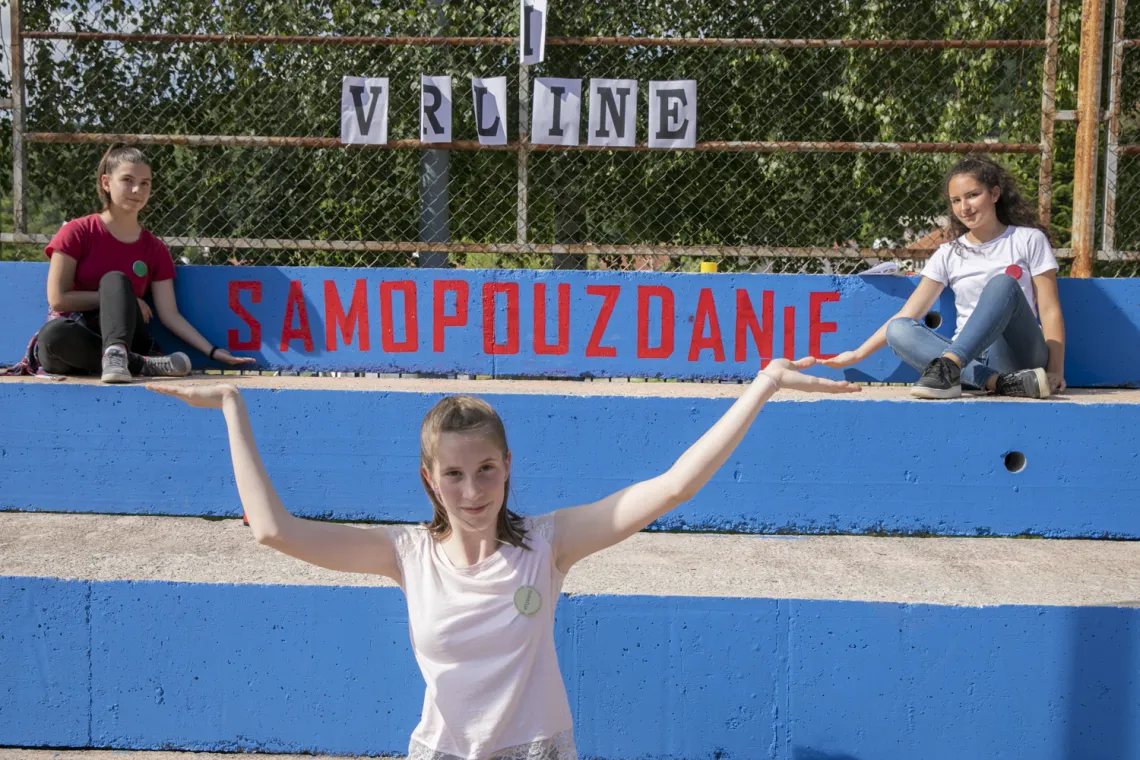
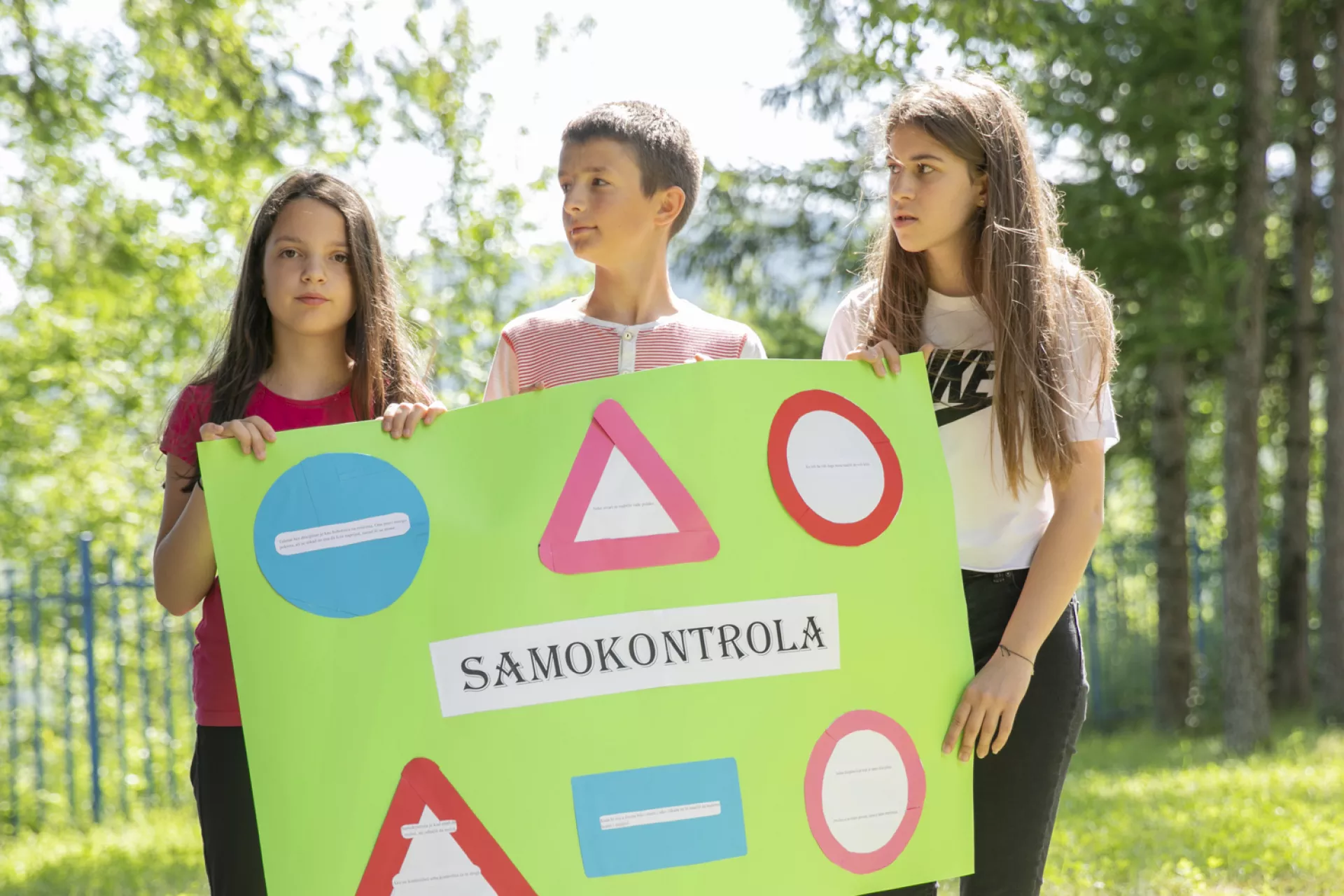
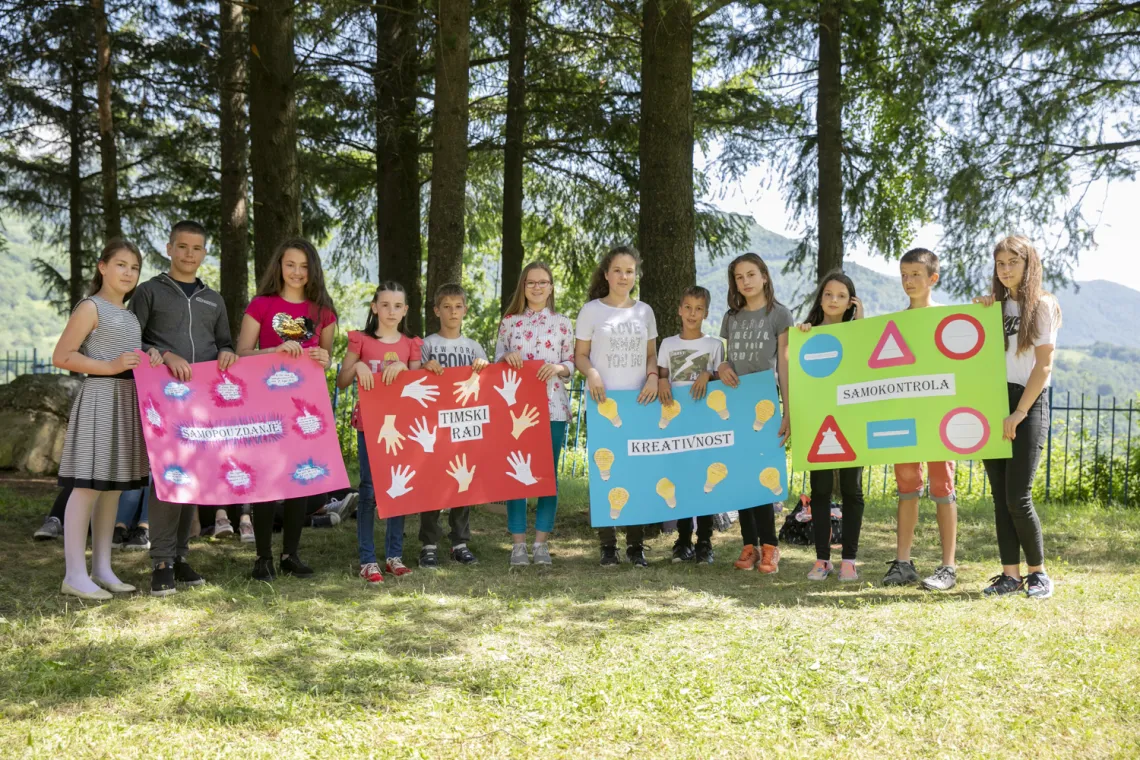
Since 2015, a programme for strengthening socio-emotional skills has been introduced in Montenegro’s schools with UNICEF’s support. Both the Association of Psychologists and the Association of Educators highlighted the importance of this programme for developing resilience in students and preventing mental health issues. They pointed out that schools are often the place where potential mental health issues are first detected and where children are directed to ask for additional help. Both teachers and school psychologists provide children with positive and therapeutic interactions, which are crucial for mental health and wellbeing.
All professional teaching assistants and teachers must be ready to recognize the importance of preventing the deterioration of their students' mental health and to respond in a timely manner to different signs indicating the problem, precisely because the school brings together a large number of children of different ages with different intellectual and emotional capacities. In order to strengthen school staff to be able to recognize the importance of mental health, to provide professional support for their students or to refer them to other relevant institutions and partners in the system, additional professional training is necessary. We also believe that it is necessary to better connect educational institutions and the healthcare sector that provides children with professional support in the field of mental health.
The Association of Defectologists highlighted the importance of the early detection of disabilities and mental health problems for preventing further deterioration of the child’s health and for their long-term quality of life.
We are calling for the strengthening of cross-sector cooperation between the education, health and social and child protection sectors at the local and national levels in order to ensure that children are provided with adequate support from early childhood on. Some disabilities and mental health issues can be identified in the early years. Providing support at that point of life can often resolve the problem or prevent it from significantly deteriorating and worsening the quality of the child’s life forever.
Mental health has become an even bigger challenge during the COVID-19 pandemic. This was the conclusion at a meeting between UNICEF and the national associations of psychologists, educators and defectologists. Many students are having to adapt to distance learning from home. The reduced contact with teachers and friends is making their anxieties worse. For this reason, the meeting resulted in a joint call for greater support and urgent investment in mental health programmes for children and adolescents in Montenegro.