

For every child, healthier future: Combating Rheumatic Heart Disease in Mongolia
“Prevention and Reduction of Child Rheumatic Heart Disease” project
- English
- Mongolian
In Mongolia, rheumatic heart disease (RHD) has long been a silent threat to children's health. Unlike in highly developed countries, RHD remains a significant challenge in developing nations. Once contracted, RHD cannot be cured with medication and requires complex surgery, which demands skilled professionals, advanced medical equipment, and high economic costs. The number of people suffering from cardiovascular diseases in Mongolia has been rising, with the prevalence of RHD tripling in the last 20 years. If not treated appropriately, RHD typically begins in early childhood (ages 5-15) and can remain asymptomatic until around age 25.
In 2022, UNICEF Mongolia, with support from the Government of Luxembourg, launched the “Prevention and Reduction of Child Rheumatic Heart Disease” project, which will run until 2027 to change this narrative. This project aims to make significant improvements in preventing and treating RHD among children and adolescents. On a policy level, UNICEF successfully advocated for the Mongolian government to include A group streptococcal infection screening in the national child health screening package. As a result, the rapid test costs are now covered by the National Health Insurance fund, ensuring bi-annual early screening for all school-aged children in Mongolia. Additionally, to successfully implement the project and empower healthcare workers to optimize existing equipment for better detection of child heart disease and streptococcal infection, UNICEF procured and provided necessary equipment. Consequently, a total of 60 facilitators (two from each province and district) were trained to advance 534 Primary Health Care practitioners who serve more than 720,000 targeted children aged 6-18 years.
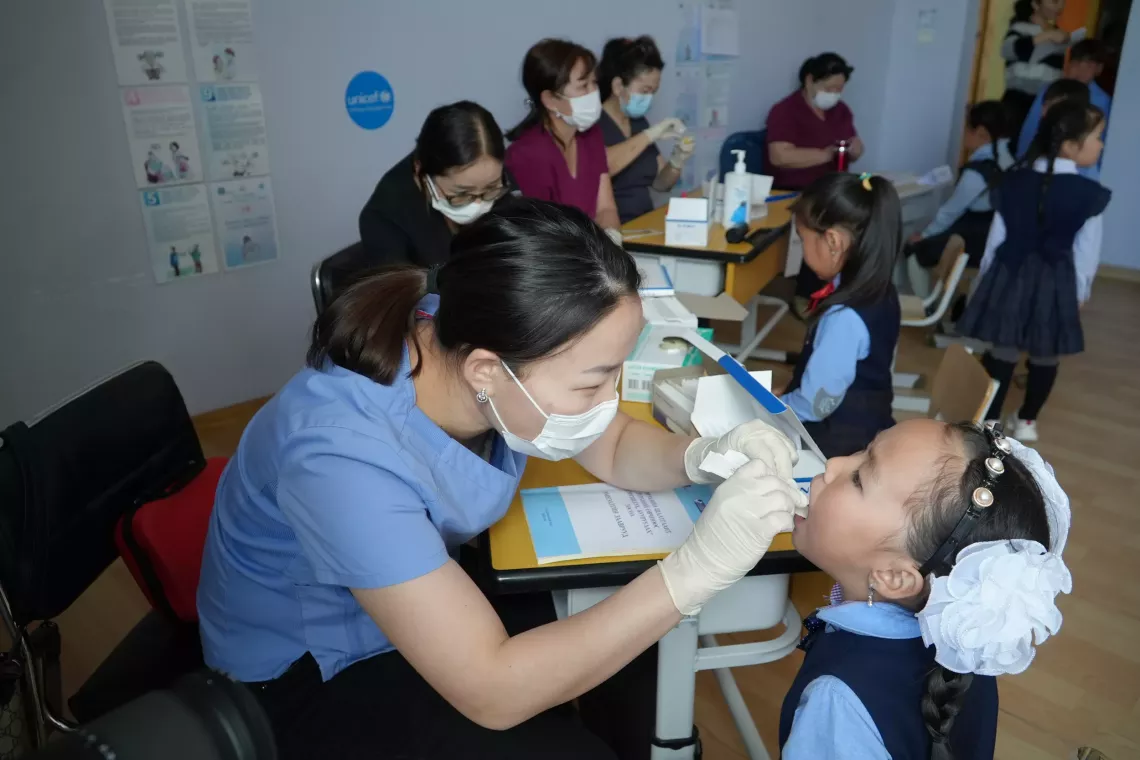
With these combined efforts, there are more than 220,000 children screened against streptococcal infections in the past two years, identifying and treating streptococcal infections positive cases.
For instance, a 12-year-old girl named Enhkjin B. was screened in May 2024 at her school in Orkhon province. When she found out her test result was positive, she was worried about transmitting infection to her loved ones, including her two younger siblings. As the oldest child, she immediately took action by marking her cutlery with cute stickers to keep it separate from the rest of the family. Her mother was grateful for her prompt action, noting that it led the entire family to adopt better hygiene practices.
By following doctor’s prescription Enhkjin got recovered very quickly. Her mother reflected on how they used to dismiss Enhkjin’s frequent sore throats, which occurred almost twice a month, as minor issues. They often didn’t seek medical advice, thinking the symptom would naturally disappear. Now, their family understands the seriousness of the infection and severe health outcome it may lead, and the importance of health seeking behaviour for early treatment and prevention. She expressed her deepest gratitude for the nationwide screening program, highlighting how it has prevented her daughter from developing severe complications in the future.
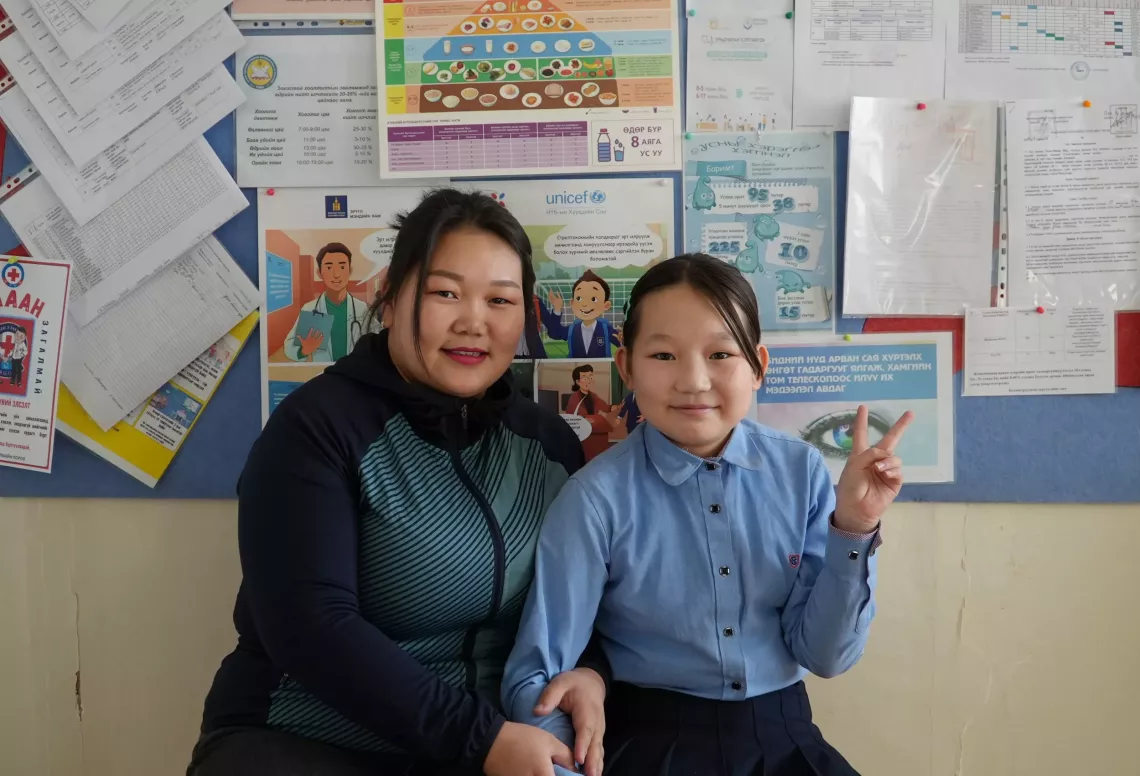
Another testimony comes from 15-year-old Nandin Erdene, who lives in Bulgan province with her mother. She tested positive and was enrolled in treatment, as she often fell ill. Nandin Erdene says she learned how to support her immunity, protect her health, and understand the importance of personal hygiene through the screening program. She has started sharing good practices with her classmates and friends, advising them not to share water bottles, to wash their hands with soap, and to wear masks to reduce infection risks.
Nandin Erdene noted that if children want to teach each other good behaviors, it’s more effective to do so politely, offering positive advice and explaining the reasons behind the practices. She also emphasized that such advice should be given privately to avoid embarrassing anyone in the public. With the right treatment and her new habits, Nandin Erdene is feeling more active and happier day by day.
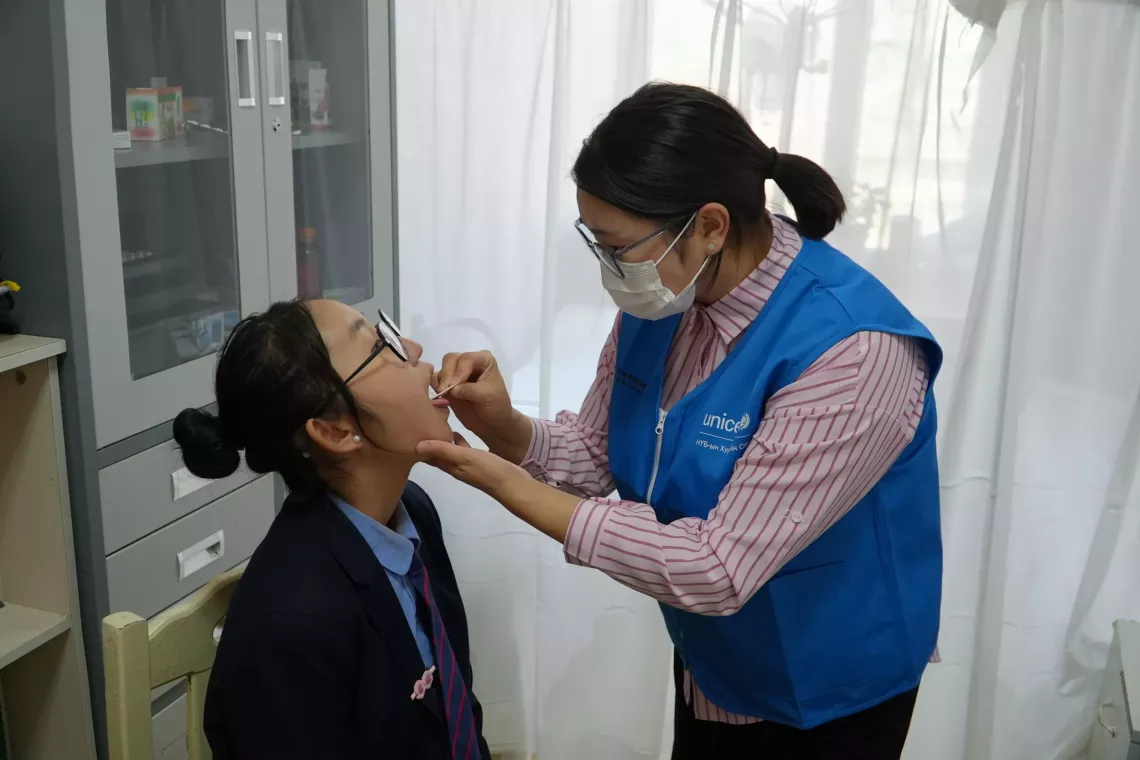
UNICEF has been implementing a nationwide communication campaign to provide comprehensive information to children, caregivers, vulnerable groups, and the public using a diverse range of channels to reach the target audience. UNICEF also organized information sessions, trainings and provided neccessary tools and materials for health, educational workers and caregivers to leverage their knowledge regarding effective rheumatic heart disease prevention and treatment.
Dr. Enkhjargal, a school doctor in Bulgan province, noted that “the training and the information materials provided by UNICEF have been invaluable. Thanks to their commitments we are now ready to early detect and treat RHD, which will make positive impact in the lives of children.” She also uses the video materials and handouts to raise awareness among the children and their caregivers through the parent council association at her school.
The “Prevention and Reduction of Child Rheumatic Heart Disease” project is a testament to the impact of collaborative efforts in public health. By combining early screening, effective treatment, and community education, UNICEF Mongolia is paving the way for a healthier future for Mongolian children. As the project continues, it promises to bring hope and good health to more families across the country.


