Strategic priorities on digitization in the field of education discussed with experts in this field

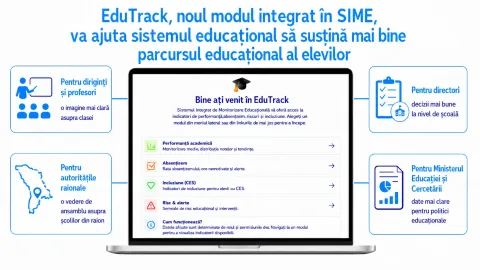
Equipping all educational institutions with computers and interactive whiteboards, as well as assistive technologies, developing the digital skills of more than 10,000 teachers, acquiring information systems and digital content are just some of the strategic priorities for the digitalization of education in the next three years. These and other prospects for the implementation of information technologies in the field of education are included in the Policy Programme on Digitization in the Field of Education for 2024-2027.
The document was subject to final public consultations and its validation took place during the joint meeting of the Ministry of Education and Research and UNICEF.
Attending the event, Minister of Education and Research Dan Perciun noted:
"The field of education should be the first to adapt to the new digital realities. That is why the implementation of information technology in the educational process is one of our main challenges in reforming the education system. The benefits that information technology brings to education are related to the development of digital competences in children and young people to better adapt to reality. It is important to be able to ensure quality education for all children".
The document contains four strategic priorities: development of digital competences, provision of ICT equipment/assistive technologies, information systems and digital resources/content, and is aligned with the digital education priorities of the European Union and is part of the program "Digital Innovations of the Education System in the Republic of Moldova" funded by the Global Partnership for Education and implemented by UNICEF.
"Digitalization in education is not only about keeping up with technology, but also about motivating human potential. The documents we are developing are not just strategic outlines but comprehensive roadmaps. They will define the commitments, priorities and actions of all relevant stakeholders in the field of digitization. This is essential to ensure that the digitization of the education sector is accelerated, for a modernized education system, improved educational outcomes for children and a country fully prepared to embrace a digital future. This program is aligned with the Development Strategy "Education 2030", the National Digital Transformation Strategy 2023-2030 and other relevant policies," said Ilija Talev, UNICEF Deputy Country Representative in Moldova.
The Programme has been drawn up with the support of UNICEF and is in accordance with the national digitization priorities, aimed at general education and all related educational institutions (including common elements for technical vocational education). All its actions are directed towards ensuring inclusive digital education for all children, including those with special needs and from vulnerable groups.
Media contacts
About UNICEF
UNICEF promotes the rights and wellbeing of every child, in everything we do. Together with our partners, we work in 190 countries and territories to translate that commitment into practical action, focusing special effort on reaching the most vulnerable and excluded children, to the benefit of all children, everywhere.
For more information about UNICEF and its work for children, visit www.unicef.org
Follow UNICEF on Twitter and Facebook