“Connected Curriculum. Connected School. Authentic Learning”: UNICEF and the Ministry of Education and Research, with support from the European Union, turn the curriculum into meaningful learning experiences for students
- Română
- English
Chișinău, 27 November 2026. Throughout 2026, more than 250 curriculum developers and over 400 teachers and school leaders received training as part of the “Connected School” initiative, implemented in ten model schools across the Republic of Moldova. The training activities focused on developing teaching and learning practices that connect multiple school subjects.
A total of 31 educational projects were piloted across the ten model schools, involving more than 600 students. Through these projects, students applied knowledge acquired across different subjects, worked in teams and identified solutions to real-world challenges in their communities, while developing their critical thinking, creativity and collaboration skills.
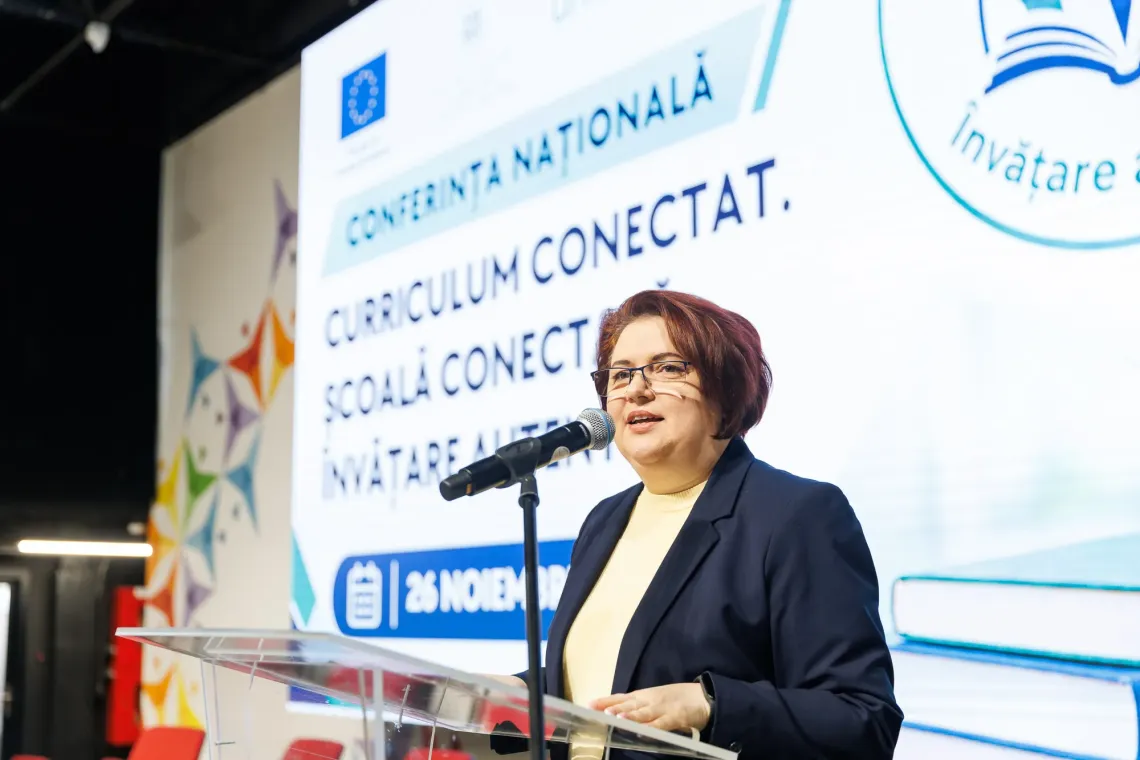
“Curriculum reform is not simply about changing school subjects or the content being taught. We want an education that is more closely connected to real life, responds to the needs of every child, develops their skills and prepares them for future challenges. This can only be achieved through joint efforts, and we are grateful to UNICEF, the European Union and all our partners for supporting us in this process,” said Valentina Olaru, State Secretary at the Ministry of Education and Research of the Republic of Moldova.
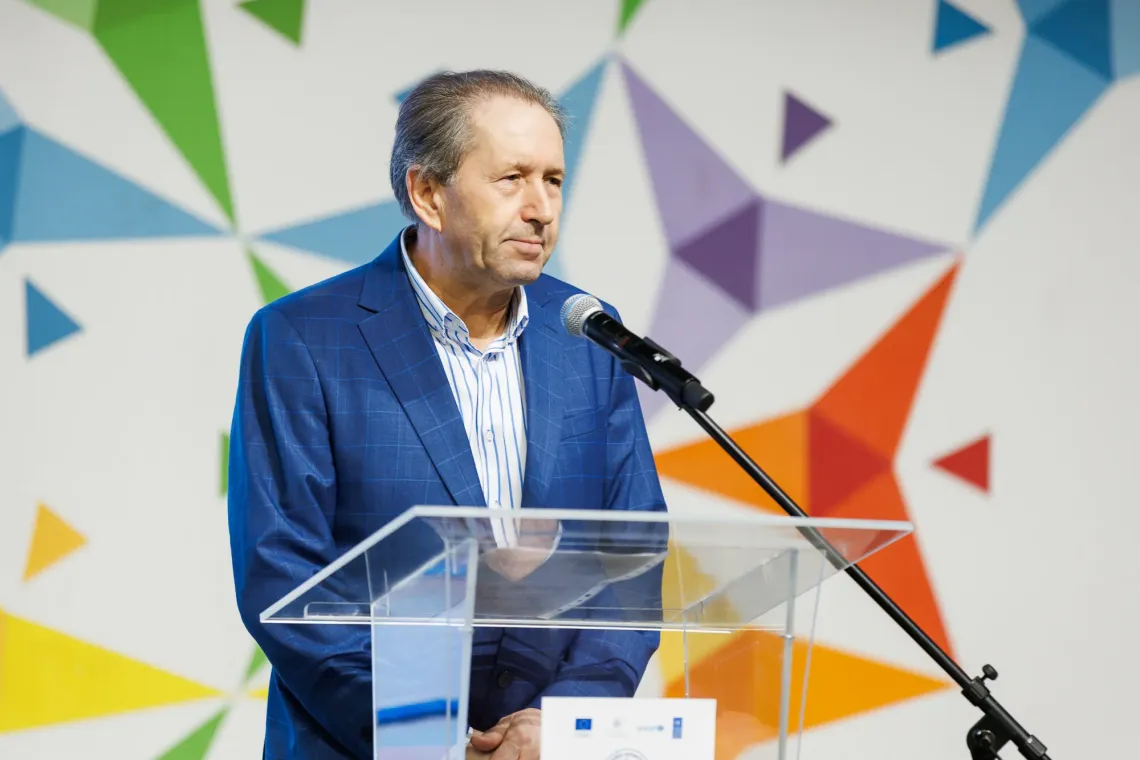
“Through interdisciplinary and cross-curricular projects, schools build stronger connections with their communities, while school leaders and local authorities work together to achieve meaningful results that motivate students. It is important to continue these efforts, and today’s training sessions, along with those to follow once the new curricula are approved by the Ministry of Education and Research, will help integrate these approaches into educational practice,” added Ion Guțu, Chair of the National Curriculum Council.
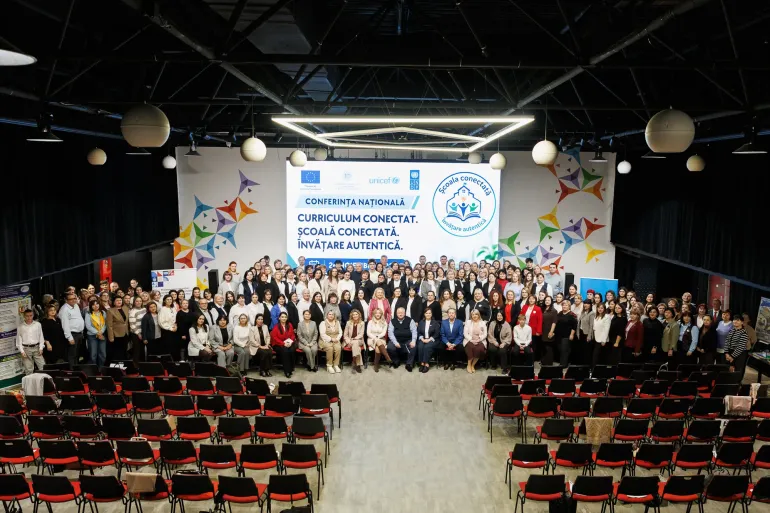
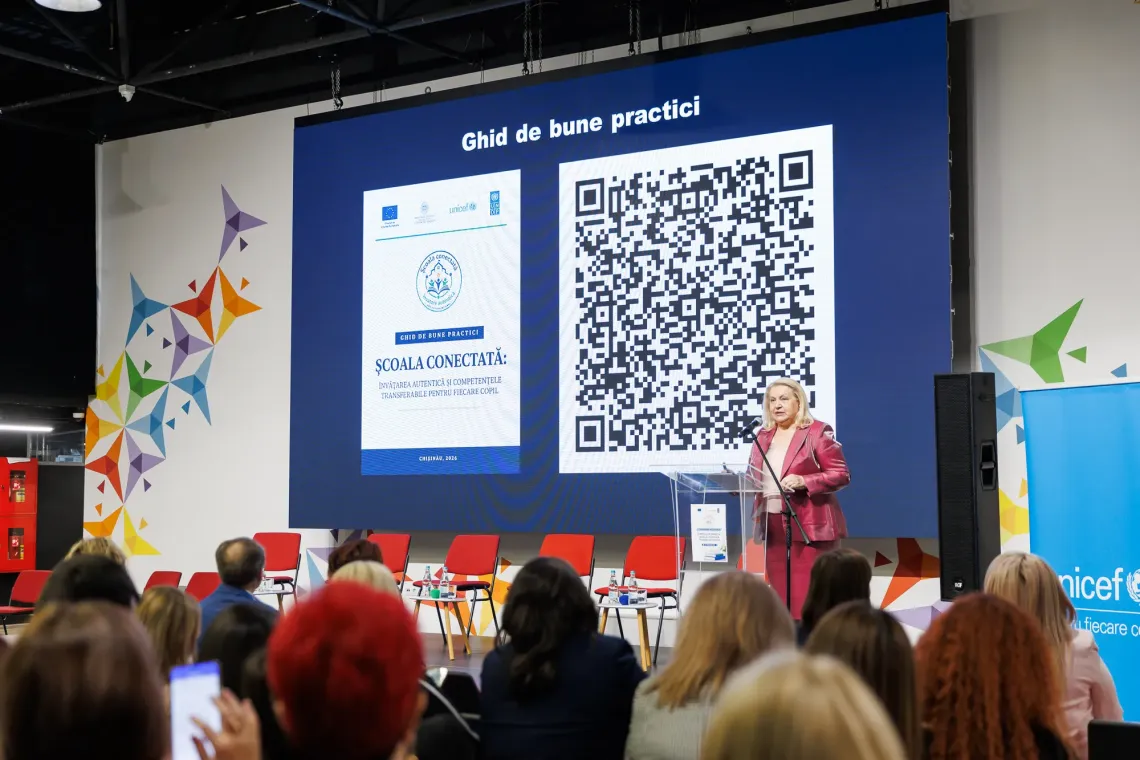
The results of the “Connected School” initiative were presented at the national conference “Connected Curriculum. Connected School. Authentic Learning”, which brought together education professionals and students. Discussions focused on how the experience of the ten model schools can inform the development of a curriculum that is more responsive to students’ needs and better connected to real life.
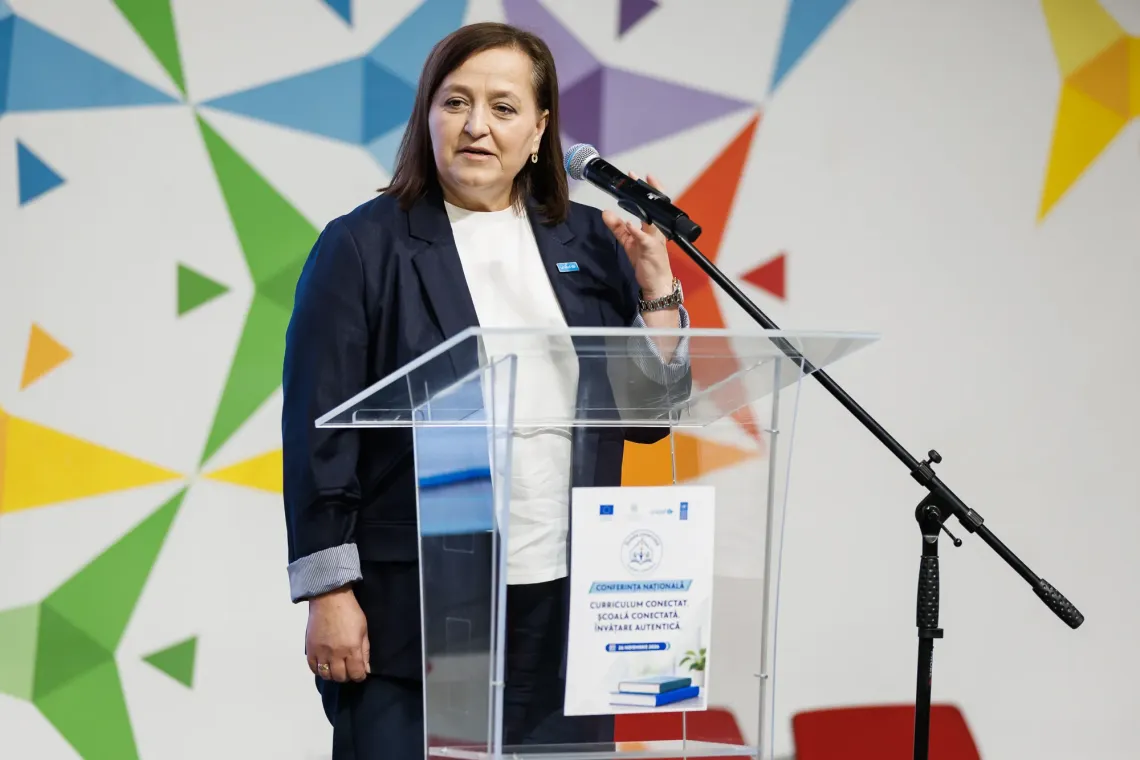
“Every child’s right to quality education means access to meaningful opportunities to learn, participate and develop, regardless of their background or individual needs. In a rapidly changing society, children need skills that go beyond individual school subjects, such as critical thinking, creativity, collaboration, empathy and the ability to solve real-world problems,” said Irina Gîncu, Education Officer at UNICEF Moldova.
During the conference, representatives of the ten model schools shared their experiences and the results of piloting new teaching and learning methods. An interactive exhibition showcased student-led projects, examples of classroom activities and digital resources used in teaching and learning.
“As part of this project, my classmates and I created an intercultural podcast in the four languages we study at school: Romanian, English, French and Russian. We also applied our IT skills to edit the podcast. It was different from what we usually do in class, brought us closer together and made every student feel included. I really enjoyed it and hope we have more opportunities to work on projects like this,” said Mihai Robert Nedelciuc, a student.
Participants also took part in hands-on workshops focused on developing meaningful learning activities for students, strengthening collaboration among teachers and exploring the role of school leaders in implementing new educational practices.
Curriculum reform contributes to ensuring quality, inclusive and relevant education for every child, providing students with opportunities to reach their full potential and develop essential life skills.
The “Connected School” initiative is part of the “Advancing Quality Education and Lifelong Learning Opportunities for All” programme, implemented by UNICEF and UNDP, with financial support from the European Union, in collaboration with the Ministry of Education and Research of the Republic of Moldova.
Through this initiative, UNICEF supports the Ministry of Education and Research in its curriculum reform efforts by promoting new student-centred teaching and learning approaches. These approaches encourage collaboration among teachers and help students make connections between school subjects and apply what they learn at school in real-life situations.
About the “Connected School” initiative
The “Connected School” initiative supports curriculum reform in the Republic of Moldova by equipping curriculum developers, teachers and school leaders with the skills needed to implement new teaching and learning approaches. Activities carried out across the ten model schools were designed based on an assessment of their needs and focused on strengthening collaboration among teachers and developing learning activities that help students apply what they learn at school in real-life situations.
As part of the initiative, practical resources were developed for teachers and school leaders, including examples of learning activities, a guide to good practices and tools for managing change at the school level. These resources will be complemented by methodological materials developed jointly with teachers involved in the pilot phase to support the nationwide implementation of the new curriculum.
The guide to good practices is available here.
Media contacts
About UNICEF
UNICEF promotes the rights and wellbeing of every child, in everything we do. Together with our partners, we work in 190 countries and territories to translate that commitment into practical action, focusing special effort on reaching the most vulnerable and excluded children, to the benefit of all children, everywhere.
For more information about UNICEF and its work for children, visit www.unicef.org
Follow UNICEF on Twitter, Linkedin and Facebook