Media brief: European Region reports highest number of measles cases in more than 25 years
About
In 2024, Europe and Central Asia saw the highest number of reported measles cases in more than 25 years.
Some 127,352 cases of measles were reported in 53 countries across Europe and Central Asia throughout 2024. Children under five accounted for 43 per cent ‑ more than 54,000 - of reported cases. More than half of all people – nearly 74,000 – who contracted measles in 2024 required hospitalization.
Hospitalizations from measles are mostly due to complications such as pneumonia, diarrhoea, and dehydration, which can be life-threatening, particularly for young children. Other debilitating and deadly complications include encephalitis, kidney failure, and hepatitis.
Measles cases in the European Region have generally been declining since 1997 - when some 216,000 cases were reported - reaching a low of 4,440 cases in 2016. A resurgence was seen in 2018 and 2019, however, with 89,000 and 106,000 cases reported respectively. Following a backsliding in immunization coverage during the pandemic, cases have risen significantly again in 2023 and 2024. Vaccination rates in many countries are yet to return to pre-pandemic levels, increasing the risk of outbreaks.
Meanwhile immunization coverage in most of the countries in the Region fell below the recommended level for herd immunity, which is a vaccination rate of 95 per cent or higher.
In 2023, 500,000 children across the 53 countries in Europe and Central Asia missed the first dose of the measles vaccine – MCV1. Less than 80 per cent of eligible children in Bosnia and Herzegovina, Montenegro, North Macedonia and Romania were vaccinated with MCV1 in 2023 - far below the 95 per cent coverage rate required to retain herd immunity. In Bosnia and Herzegovina and Montenegro the coverage rate for MCV1 has remained below 70 per cent and 50 per cent respectively for the past five or more years. For example, in 2023, Bosnia and Herzegovina reported a coverage rate of 55 per cent and Montenegro reported a coverage rate of 24 per cent for MCV1 - critically low levels of immunization coverage.
Measles is one of the most contagious viruses circulating in communities. For every one person who has measles, 12 to 18 other people will be infected. This makes measles around 12 times more contagious than influenza, six times as contagious as Ebola, and twice as contagious as COVID-19 and chickenpox.
As well as hospitalization and death, measles can cause long-term, debilitating health complications. It can also damage the immune system by “erasing” its memory of how to fight infections, leaving measles survivors vulnerable to other diseases and death.
It can affect anyone but is most common in children.
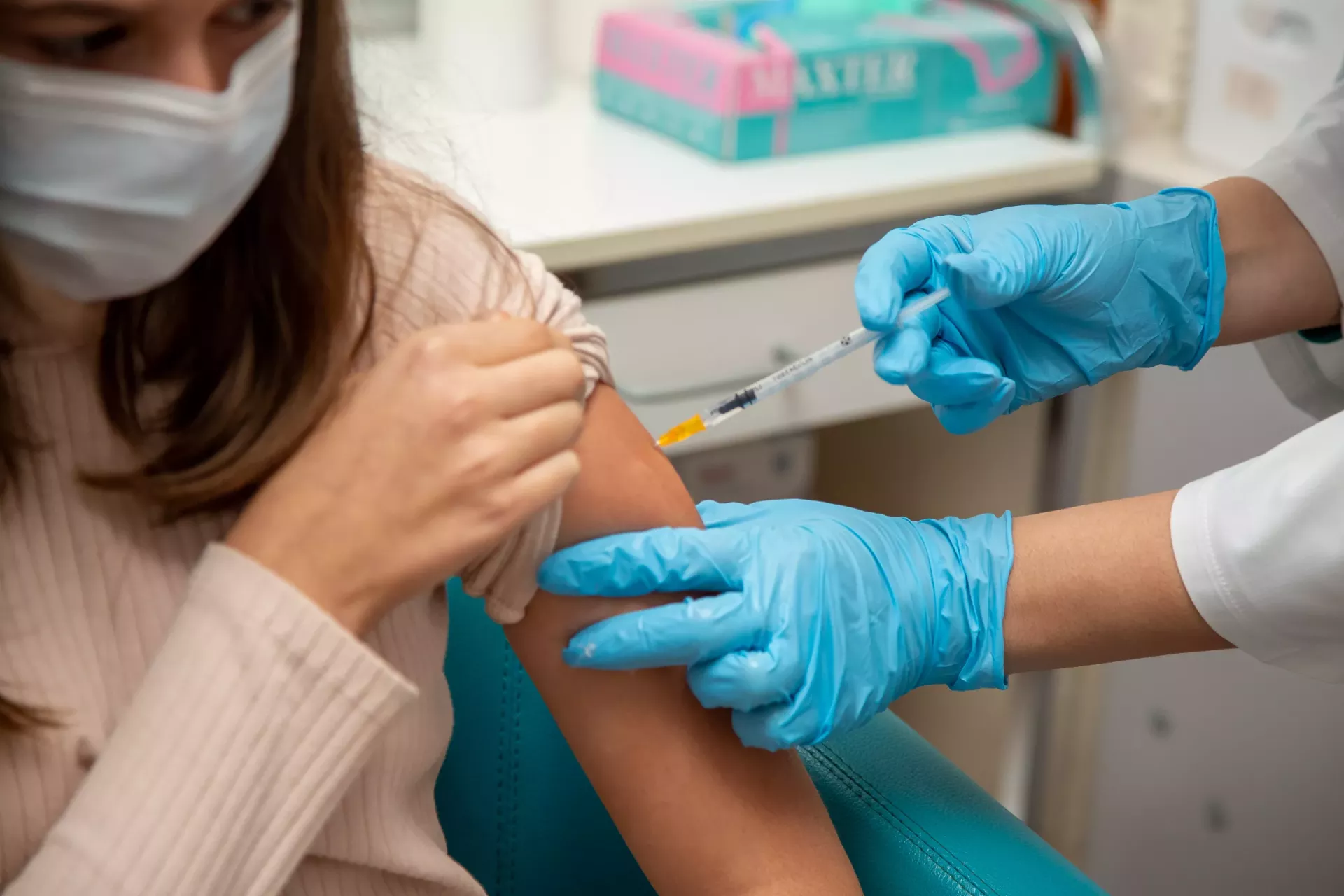
Vaccination is the best line of defence against the virus. If someone who has not been vaccinated is exposed to measles, they have a 90 per cent chance of contracting the virus. If someone is exposed to measles who has been vaccinated, they have at least a 97 per cent chance of not contracting it.