Harnessing community engagement and multisectoral SBC approaches to address vaccine hesitancy in Moldova

About
Vaccine hesitancy has remained a significant challenge in Moldova, exacerbated by the COVID-19 pandemic, which led to a decline in immunization rates for both routine and COVID-19 vaccines. Challenges included widespread misinformation, lack of trust in healthcare systems, and cultural or social barriers, especially among marginalized groups like the Roma and Ukrainian refugees. Key contributors to hesitancy were low confidence in vaccine safety and effectiveness, insufficient engagement by healthcare workers and local leaders, especially in rural areas, and the growing influence of anti-vaccine messages on social media.
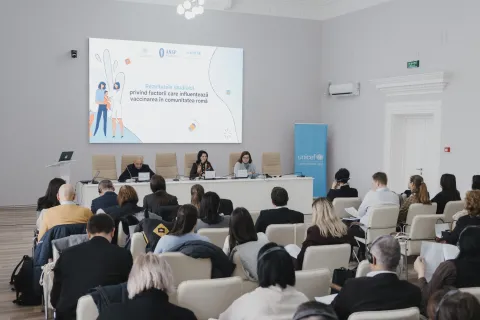
To address these issues, a Community Engagement Campaign in rural areas was launched, employing multisectoral Social and Behavior Change approaches from mid-2023 to early 2024. The campaign involved health, education, and local government sectors, focusing on building trust and raising awareness through evidence-based, culturally tailored interventions. Activities included capacity-building for healthcare workers, teachers, educators, social workers, local public authorities, localized messaging, social listening to counter misinformation, and direct engagement with community leaders, schools, and marginalized populations. Mobile health teams conducted outreach in underserved regions to ensure broader vaccine access and education.
The campaign achieved significant progress, with measurable increases in vaccination rates. For example, MMR vaccine uptake rose by 3–5% in some targeted areas, and HPV coverage improved in visited rayons, especially among adolescents. The initiative also empowered local authorities to sustain vaccination efforts through action plans and institutionalized community partnerships. Despite some challenges, such as coordinating stakeholders and overcoming misinformation, the campaign demonstrated the effectiveness of community-centered, multisectoral approaches in addressing vaccine hesitancy and improving public health outcomes.