Listening is only the beginning: Why protection and safety matter for children
What it takes to create spaces where children feel safe, heard and protected

Safety should never be something a child has to earn. When I think of safety, I think about the things a child should never have to rehearse. How to explain something that hurt them. How to ask for help without making someone angry. How to decide whether telling the truth will make their life more difficult. I think about how much trust it takes to say “something happened” when you are unsure what the person listening will do next.
As a young person, I want safety to mean being able to speak honestly, ask questions and make mistakes while knowing my dignity will be respected. I want every child to have people they can turn to without first having to work out whether their feelings are serious enough to matter.
On this Child Abuse Prevention Day, these are the everyday experiences I believe we need to pay attention to. The way children are spoken to. The behaviour they are expected to tolerate. The response they receive when they say they are uncomfortable. Together, these experiences teach children what they can expect from the world.
Safety starts with all of us
For me, feeling safe means that I can be myself without fear of being hurt, humiliated or dismissed. It means having people care about how I feel and who takes me seriously when something is wrong.
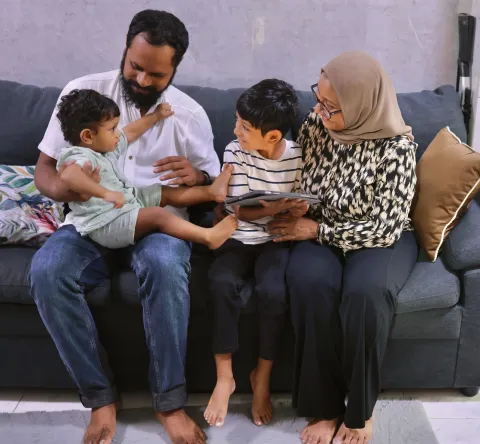
That sense of security should follow a child wherever they go. At home, it might mean being able to express a feeling without being scolded. At school, it might mean asking a question without being ridiculed. On online platforms, it might mean knowing that a private conversation will not be shared to embarrass them.
Physical protection is essential, but children also need emotional and psychological safety. The way we speak to them and how we respond to their worries contribute to whether they feel protected. This is why child protection concerns us. Families, schools, communities and institutions each shape a different part of a child’s life. They require everyone to work as one in order to have the support they need when concern arises.

Growing up in Maldives today
In Maldives, our closeness can be one of our greatest sources of support. There is comfort being known, in having people notice when something seems wrong. That same closeness can make a difficult conversation feel more complicated. A young person might worry that a private concern may become public, or that speaking about someone respected can damage their reputation.
Some of the attitudes that deserve questioning are so familiar that we barely notice them. Humiliation may be excused as discipline. Harassment may be dismissed as teasing. A child who objects may be told to toughen up. Over time, these responses can make it harder to recognise a boundary has been crossed, or to believe that anyone will care. Online, these pressures can take different forms. A group chat can become a place of exclusion. A private image or message that can be circulated without permission can put a vulnerable child into danger.
Why do young people not speak up?
“Why didn't they tell someone?” is a question that places a great deal of responsibility on a child. I would rather ask what might have made telling someone what we feel impossible.
Children fear punishment, blame and disbelief. It may depend on the person hurting them, feel affection for them or worry about what disclosure could mean for their family. They may sense that something is wrong without having the words to explain it. Even knowing whom to approach can be difficult. An adult can be familiar without feeling approachable, and a reporting process can exist without feeling safe to use.
Encouraging children to speak therefore comes to an obligation to prepare the people who listen. A parent, teacher or community member needs to respond calmly and take it seriously. Trust grows when care is followed by action. The way we handle an everyday worry can influence whether a young person returns to us with something more serious.

How can we work together to protect children and uplift their voices?
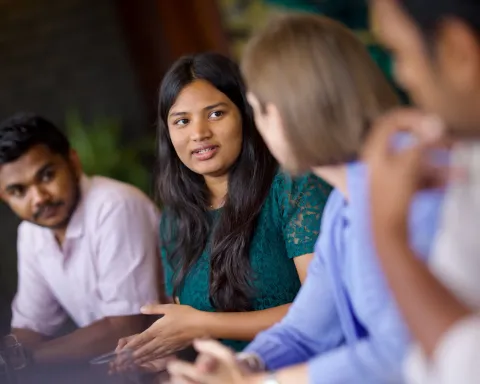
My involvement in the Udhuhilan campaign has made me think more carefully about how conversations on violence against children can lead to change. Panel discussions and the launch of the Udhuhilan Baseline Survey Report have helped raise awareness as well. For me, their purpose extends into what we do afterwards.
Young people can help identify things adults may overlook: why a student hesitates to approach a teacher, why information about support feels confusing. These perspectives can help make protection more responsive to the lives children actually lead.
Meaningful participation means allowing young people's perspectives to shape the decisions that affect their safety. These opportunities must include children with different abilities and experiences, so that support reflects the needs of those it is meant to reach. The conversations opened through Udhuhilan need to continue in our homes, schools and society. We need to make space for everyone to discuss these issues openly and seriously.
What we accept, children inherit. When we excuse violence, dismiss a disclosure or leave someone else to act, we shape what the next generation learns to call normal. Together, families, schools, institutions and young people can change that inheritance. Let us make care as the standard they grow up with, safety to be something they can count on and for every child a promise they can feel in their everyday lives