The Diversity of Attaining Knowledge & Skills
Exploring alternative pathways to education & skill development: Firas' Inspiring Story
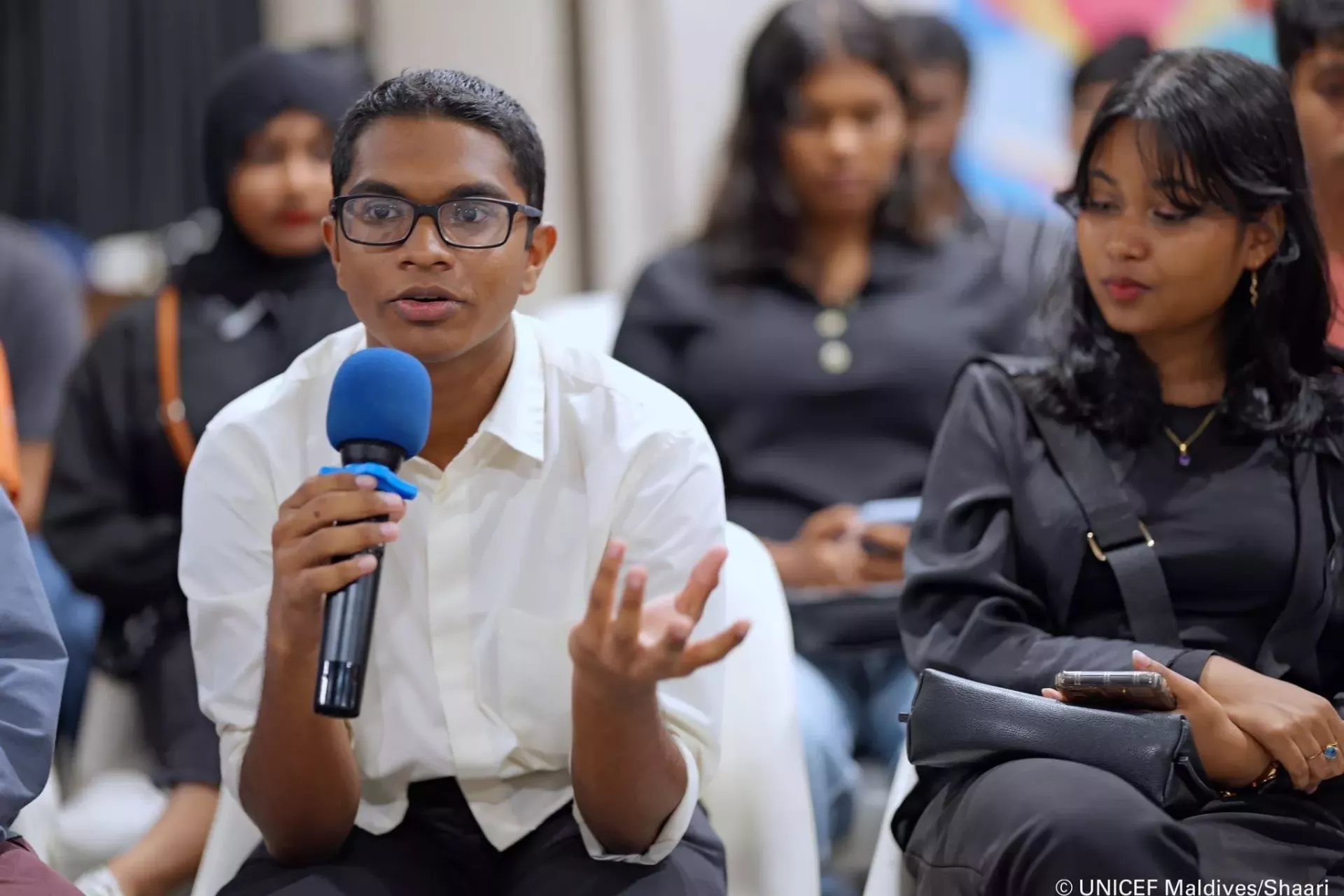
In an ever-changing world, where technology and communications shape our daily lives, traditional educational pathway does not always meet individual and professional needs. This is the story of Firas, a young man determined to succeed in the field of information and communication technology (ICT), who chose to take an alternative educational path.
During his educational journey, Firas attended a youth cohort orientation and training session with UNICEF. His participation in a workshop on leadership and civic engagement helped him develop crucial skills. This experience inspired Firas to become an active member of our youth reference group, where he continues to contribute to UNICEF’s initiatives.
Firas discovered his interest in ICT quite early on, as he was introduced to this field by his father. With his father’s support, Firas decided to pursue his passion in technology and when the time came for him to choose his subjects for O’Levels, Firas opted for the science stream. This marked the beginning of his journey into technological learning.
Through his determination and hard work, Firas reached the sixth national position at his O'levels. As his performance flourished, so did his confidence in his abilities and this encouraged him to continue his studies in A ‘levels. At this point, Firas was not aware of other possible avenues to pursue ICT and had not researched the available alternatives to A-levels.
With optimism and determination, Firas developed a rigorous schedule to navigate the complex world of A-levels: Every morning, Firas immerses himself in studies. At night, he dedicates his time to rigorous Cadet training sessions as part of his extracurricular activities.
But despite his best efforts, juggling these multiple responsibilities proved rather difficult than he expected.
After a few months of this hectic schedule, he was quickly faced with some daunting challenges. The demands of A’levels were tough and required hours of studying and focus. The Cadets program demanded that he managed his intensive involvement by participating in numerous camps and trainings. Juggling these multiple responsibilities began to take a toll on his mental health.
He explained.
This experience during his first year of A'levels signified a turning point for Firas. He took some time to reflect on his interests and how he envisions his career path and future.
He came to the realization that the traditional educational model may not be the most suitable for his aspirations and needs. This led him to look for alternative pathways that would allow him to succeed in the ICT field without compromising other passions and commitments that he held close to his heart.
"I strongly believe that as a young person, one of the most useful things you can do when you are feeling overwhelmed about your career and the future is to just take a moment to slow down and reflect on where you see yourself going, and how to get there”
“Working on improving yourself, that is one of the best things you could ever do.”
Firas then made the bold decision to leave the A'levels to engage himself fully to professional training in ICT. This radical change was not without its challenges, but Firas was determined to make this new path a success. His hard work and commitment allowed him to gain valuable skills that prepared him for the professional world.
The vocational training also provided him with internship opportunities and practical experiences that allowed him to put his knowledge into practice and expand his professional network. These experiences have been invaluable to his personal and professional development.
“Challenges are stepping stones, not roadblocks.”
Determined to find a solution, Firas embarked on a journey of extensive research into the options available. He was determined to find a way to balance his commitments. He discovered that Maldives Polytechnic offered the educational paths with more practical training and allowed him to cater to his specific interests. Vocational training programs, for example, caught his attention. These programs offered a practical and competency-based approach, and this seemed to offer exactly what Firas needed.
One of the most appealing aspects of this career path was its flexibility. Unlike the traditional education paths, vocational training allowed Firas to continue to engage in projects and extra activities that he is passionate about, while continuing his education. In addition, these programs emphasized the acquisition of practical skills directly applicable to the job market, which was perfectly in line with his career aspirations.
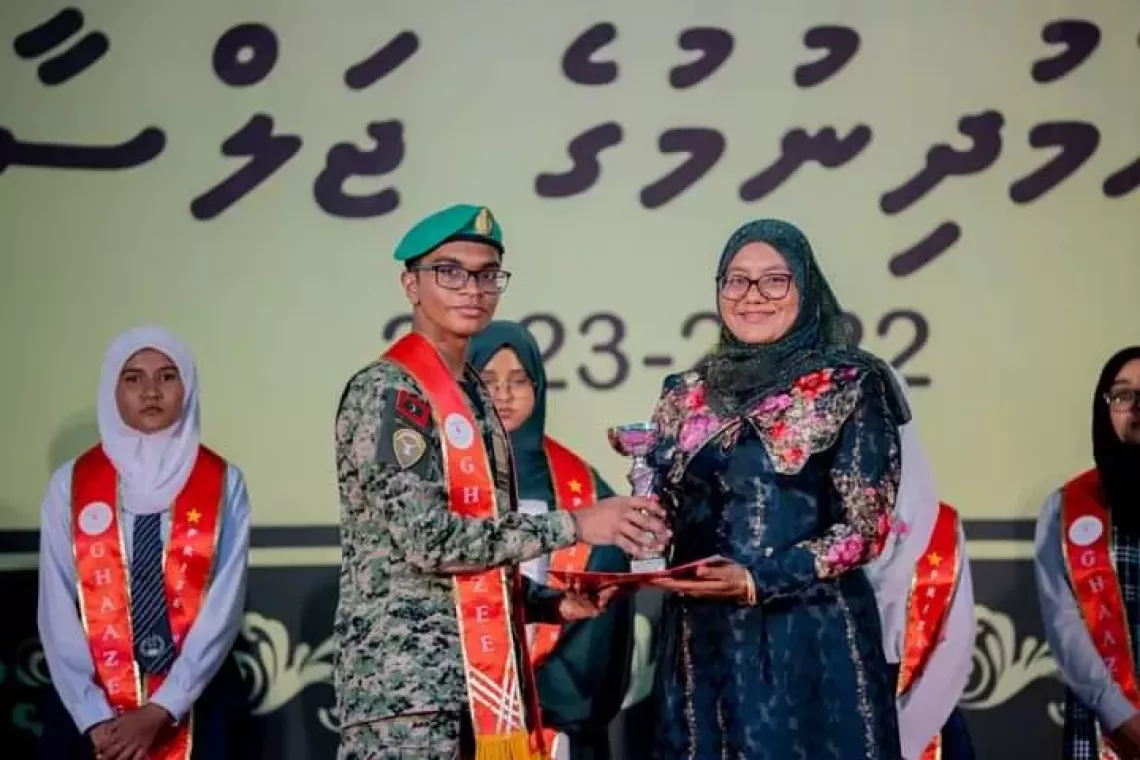
Firas' story illustrates the many benefits of alternative educational pathways. These pathways provide flexibility that allows students to manage other commitments while continuing their education. They also emphasize the acquisition of practical skills, which is particularly valuable in constantly evolving fields such as ICT.
Additionally, alternative career paths can open doors to opportunities that traditional paths cannot.
Internships, apprenticeships and practical experiences allow students to stand out in the job market and start their careers with solid professional experience.
Firas' transition from traditional education to an alternative career path is an inspiration to anyone looking to find their way in a fast-paced world. His story shows that it is possible to succeed outside the box, and that perseverance, seeking new opportunities, and family support can lead to remarkable accomplishments.
At the end of the day, education is not a one-size-fits-all journey. Alternative paths, such as vocational training, offer endless possibilities for those who are willing to explore new avenues and fully commit to their passion. Firas' journey is a powerful testament to the value of these journeys and their potential to transform lives.
UNICEF equips young people with relevant knowledge, skills, and tools to deal with everyday life and to succeed in school and work.