Building ecosystems for school-to-work transition: every young person needs skills, guidance and opportunity
Statement by Dr. Edward Addai, UNICEF Representative to Maldives to mark World Youth Skills Day 2026
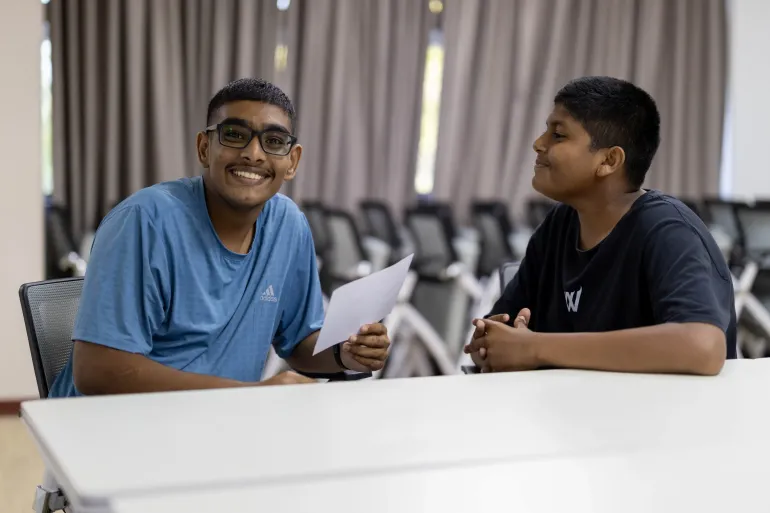
On World Youth Skills Day, we are reminded that the journey from learning to earning does not begin when a young person starts looking for a job. It begins much earlier—in classrooms, families, communities, workplaces, and the systems that shape opportunities throughout adolescence.
Across the world, evidence shows that successful transitions depend not only on education or training, but on the strength of the ecosystem surrounding young people. Skills development is therefore not the responsibility of a single institution. It requires schools, families, employers, communities, and government systems working together to support young people as they navigate critical life transitions.
For Maldives, strengthening this ecosystem is an urgent national priority. The 2022 Census shows that nearly one in five young people aged 15 to 24 are not in education, employment or training (NEET). This is not simply a labour market challenge. It is a signal that pathways between education, skills development and opportunity must become more visible, accessible, and connected.
Therefore, my key message today is simple: "No institution is better than the ecosystem. You are as good as the ecosystem itself."
This is particularly true when it comes to school-to-work transitions. Success depends on whether young people can access the right opportunities at the right time and whether the institutions around them are coordinated enough to guide them towards those opportunities.
Yet many young people are still asked to make major decisions about their future with limited information about career pathways, technical and vocational opportunities, higher education options, emerging sectors, and the skills employers are seeking. Too often, young people are expected to make life-shaping choices before they have had the opportunity to fully explore the possibilities available to them.
This is why career guidance matters. Effective guidance is not only about helping a student choose a subject or a job. It is about helping young people understand themselves, explore pathways, build confidence, access opportunities, and connect learning with real futures.
But access alone is also not enough. The real question is whether the ecosystem around young people is equipping them with the skills, information, confidence and connections they need to navigate work and life. A young person may have access to school, training or employment information, but unless these opportunities are connected and supported by guidance, they may still struggle to see a clear pathway forward.
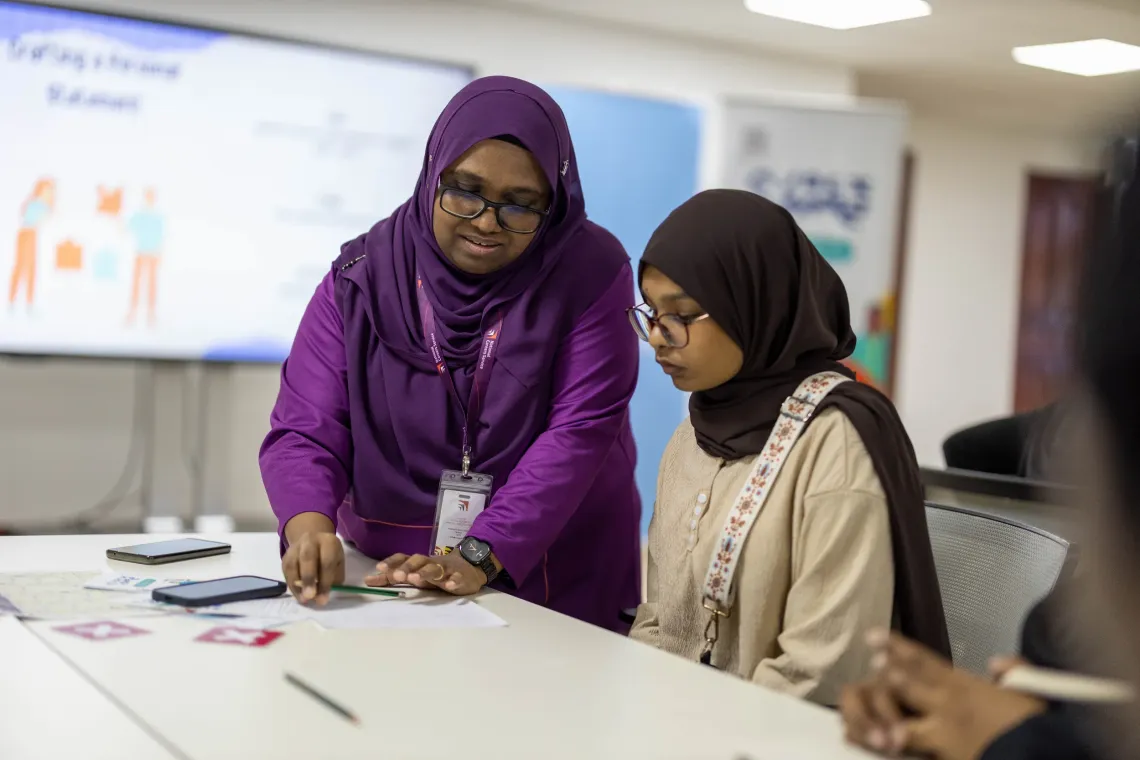
A strong ecosystem does more than open doors; it helps young people develop the competencies they need to succeed. UNICEF's newly developed 'TRAILs Framework' highlights the necessary skills that enable adolescents to become Technical, Resilient, Agency-driven and Innovative Leaders. These include critical thinking, communication, collaboration, creativity, digital literacy, adaptability, and resilience.
Together, these competencies prepare young people not only for employment and entrepreneurship, but also for lifelong learning, active citizenship, and personal wellbeing. They help young people adapt to change, seize opportunities, and contribute meaningfully to their communities and the economy. For a small island nation like Maldives, investing in these skills is central to building a more inclusive and resilient future.
The TRAILs Framework reminds us that these competencies are not developed in classrooms alone. Technical skills may be strengthened through hands-on learning and workplace experiences. Resilience is nurtured through supportive families and communities. Agency grows when young people are given opportunities to participate in decisions that affect their lives. Innovation flourishes when schools, employers, and communities encourage creativity, problem-solving, and experimentation.
This is why strengthening youth skills requires building an ecosystem, not simply delivering programmes. Building such an ecosystem means intentionally connecting all the stages of a young person's journey—from education to skills development and ultimately to employment or entrepreneurship. It means ensuring that career guidance begins early and continues through secondary education; that schools, TVET institutions and employers work in partnership; that young people have opportunities for mentoring, internships and workplace learning; and that accurate information on education, training and labour market pathways is readily available. It also means identifying and supporting young people at risk of falling behind so that no one is left to navigate these transitions alone.
Most importantly, an effective ecosystem is built through connections. Schools must be connected to employers. Career guidance must be connected to labour market information. Skills training must be aligned with the needs of emerging sectors. Families and communities must be equipped to support young people's aspirations. The government must help coordinate these efforts so that young people experience a seamless pathway rather than a fragmented series of choices. The stronger these connections, the smoother the transition from school to productive and meaningful work.
Young people themselves must also be part of the conversation. Their experiences, aspirations, and perspectives should help shape the policies and programmes designed to support them. When young people are listened to, pathways become more relevant, inclusive, and responsive to the realities they face.
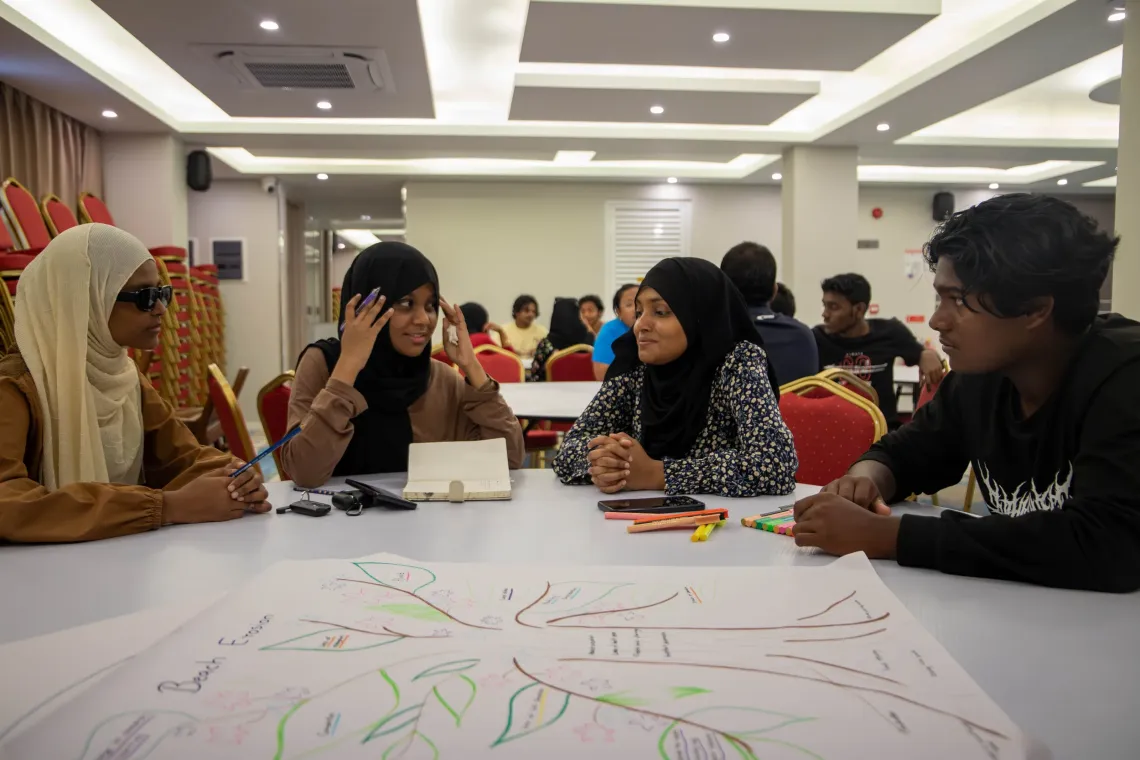
On this World Youth Skills Day, UNICEF reaffirms its commitment to supporting the Government of Maldives and partners to strengthen pathways from school to work. This includes:
- Supporting age-appropriate career guidance
- Creating stronger connections between education and employment
- Providing better information to young people at key transition points
- Facilitating more inclusive opportunities for young people across every island and community
Building this ecosystem requires collective action. But collective action alone is not enough; it must be coordinated. Policymakers can create enabling policies and coordination mechanisms that connect education, skills development and employment systems. Schools can integrate career development and future-ready skills into learning while strengthening partnerships with employers and training providers. Employers can open their doors to mentorship, internships and apprenticeships. Families can help young people explore possibilities and make informed decisions. Communities can create safe spaces for participation, volunteering and leadership. Together, these actors can build the connected support system that every young person needs to thrive.
Investing in youth skills means investing in the future of the Maldives. When schools, employers, communities, families and the government work together, young people are better equipped to become the resilient, agency-driven and innovative leaders our country needs. Let us strengthen this ecosystem so that every young person can see a future, develop the skills to reach it and contribute meaningfully to our nation's development.
Media contacts
About UNICEF
UNICEF promotes the rights and wellbeing of every child, in everything we do. Together with our partners, we work in 190 countries and territories to translate that commitment into practical action, focusing special effort on reaching the most vulnerable and excluded children, to the benefit of all children, everywhere.
For more information about UNICEF and the work it supports in the Maldives, visit www.unicef.org/maldives