The price children pay under a hazy sky
As grey smoke continues to blanket Malaysia’s skies, even after showers of flash-flood inducing rain, children are paying a price for the future we haven’t even begun to tabulate.

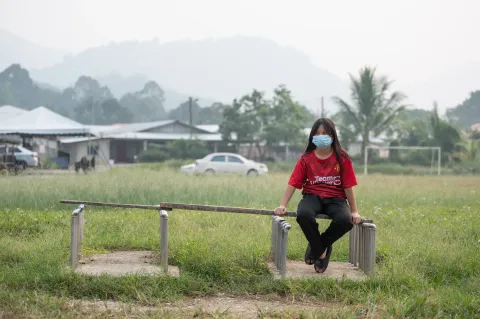
Ten-year-old Lovelia Zara, known as Zara, lives with her family in Kampung Mongkos in Serian, Sarawak, about a two-hour drive from Kuching. Serian, one of the towns hardest hit by the haze. Serian reported very unhealthy levels when the UNICEF team visited that continues to today.
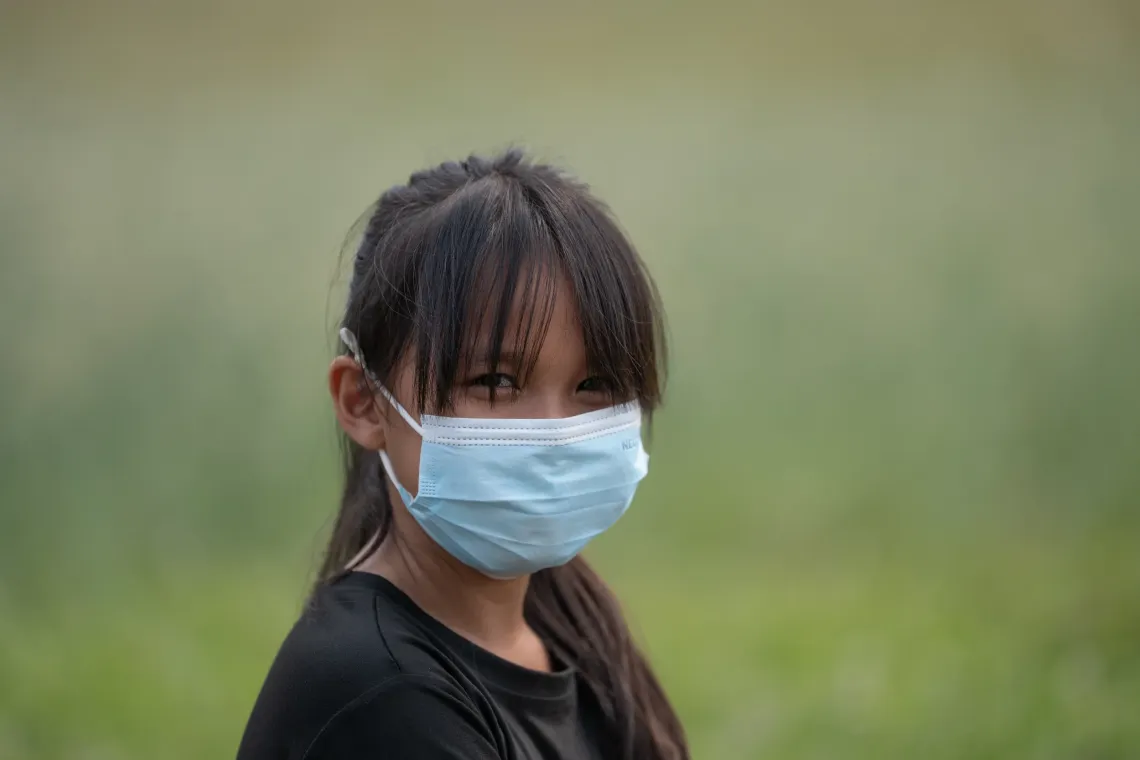
For Zara, the haze has changed her daily routine: preventing her from playing outside and going to school.
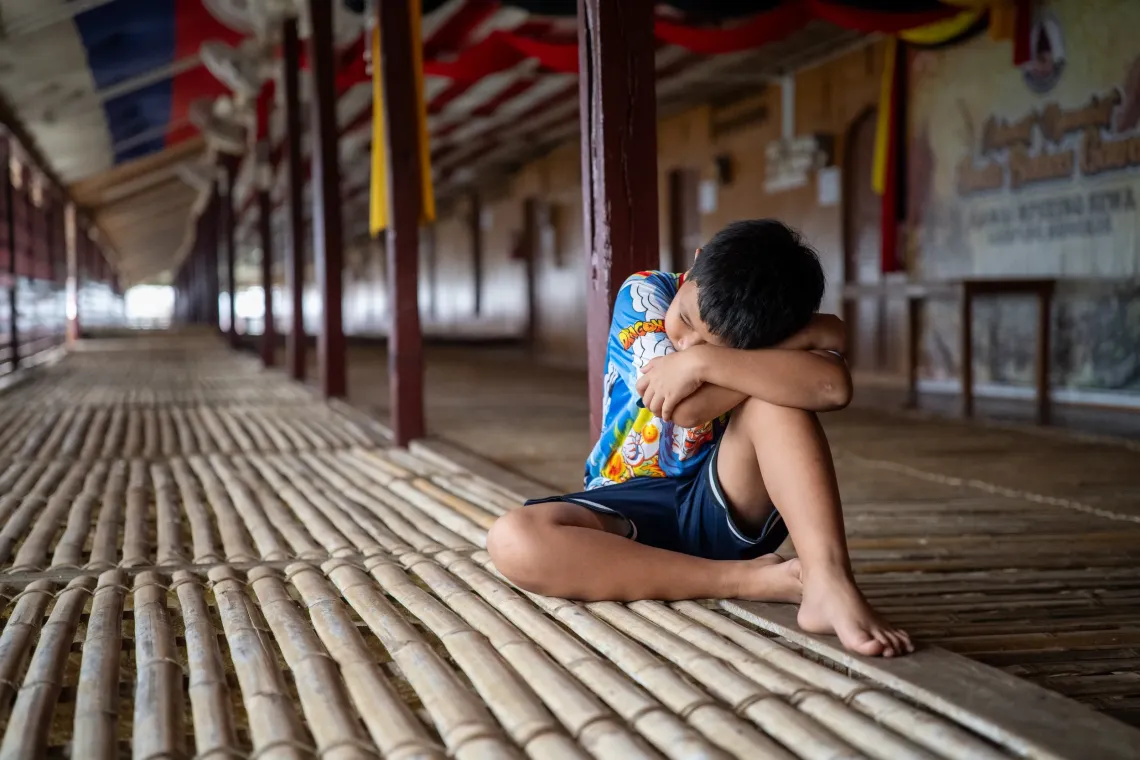
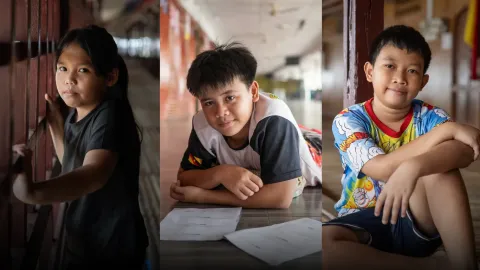
Her situation is mirrored by 11-year-old Andrea Timba, also of Kampung Mongkos, and 12-year-old Freddy Samuel of Kampung Mujat. Like many children their age, both Andrea and Freddy love spending time outdoors with friends, but the haze has rendered all of that impossible.
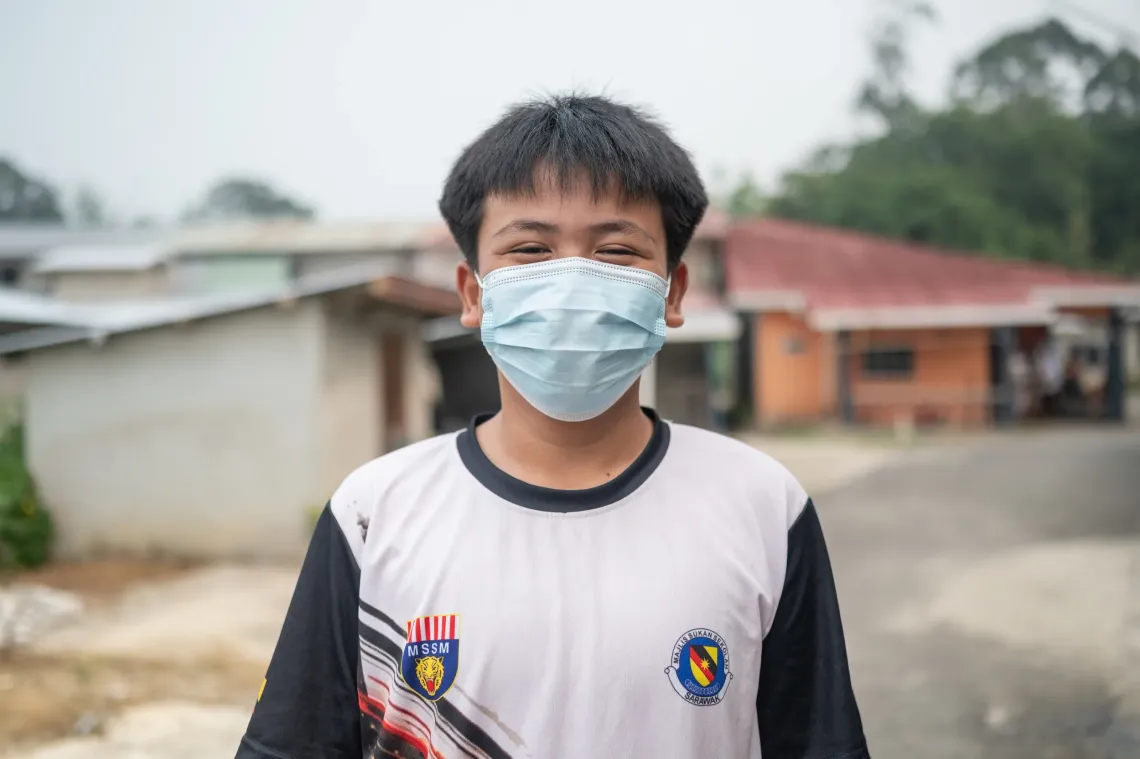
Freddy, a keen sportsman who has represented his school in hockey and competed at state level, has found himself unwillingly ‘benched’ by the smog.
Schools out
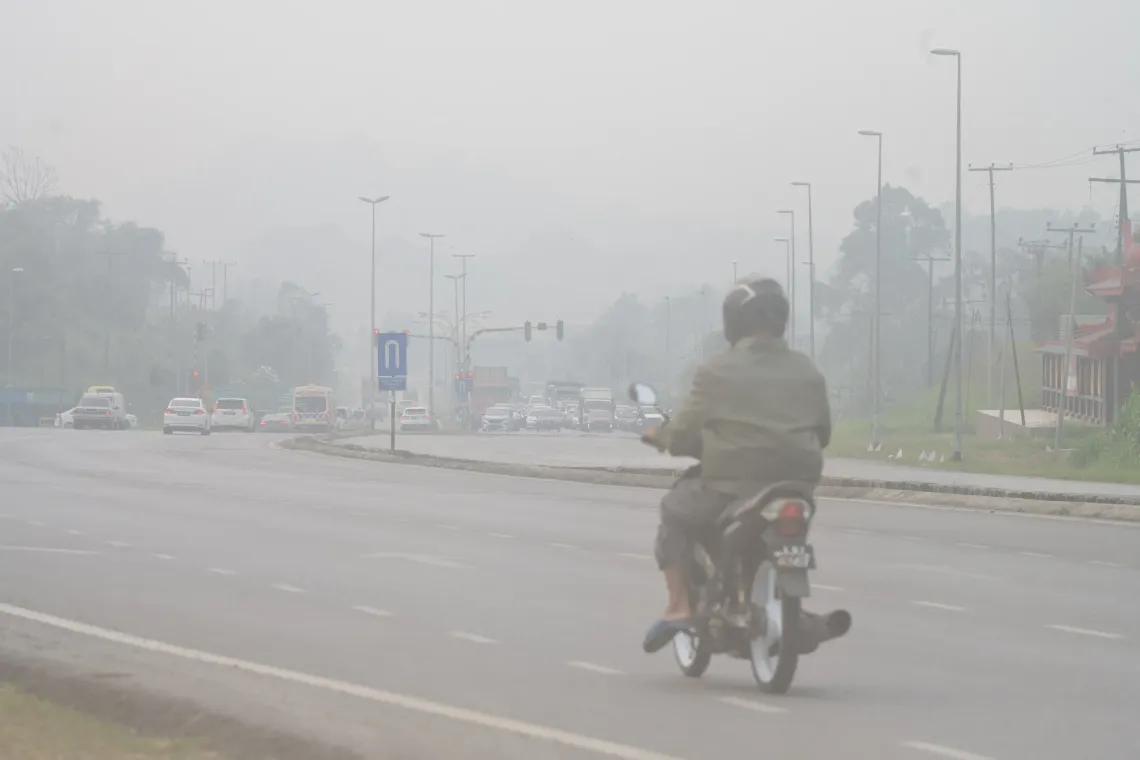
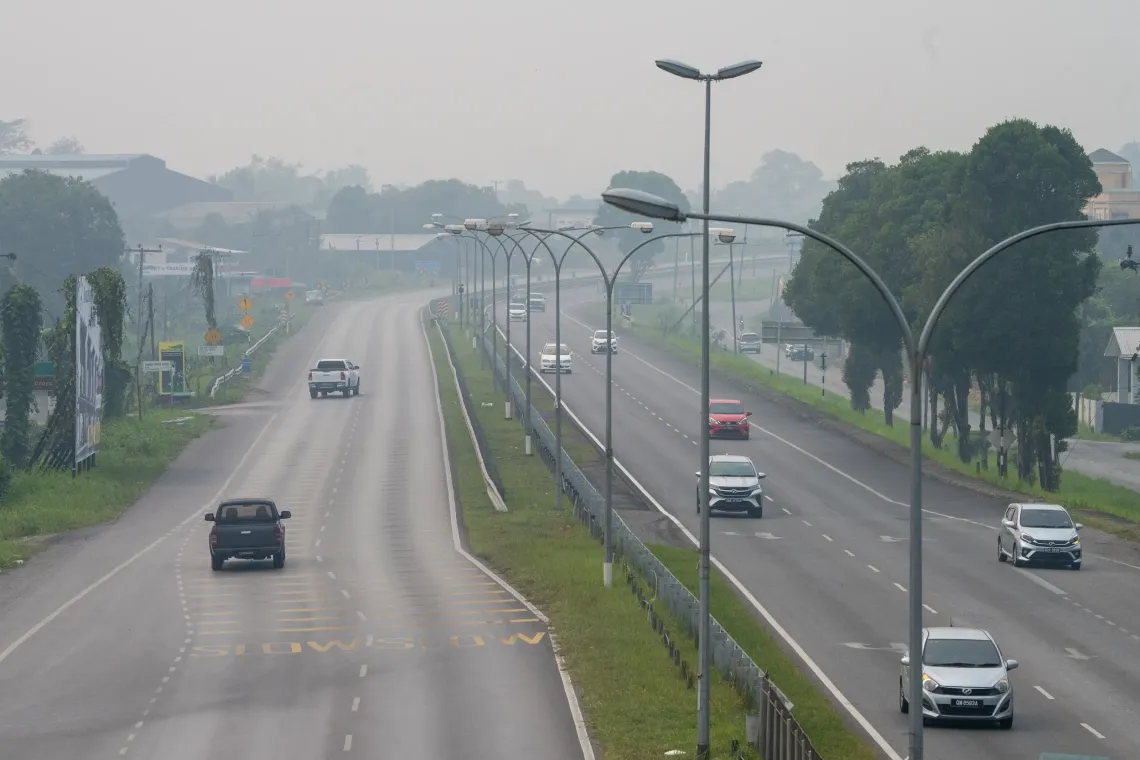
During this time of unhealthy air quality, schools in Serian typically close and outdoor activities are restricted. All 3 children must complete assignments at home or attend virtual classes.
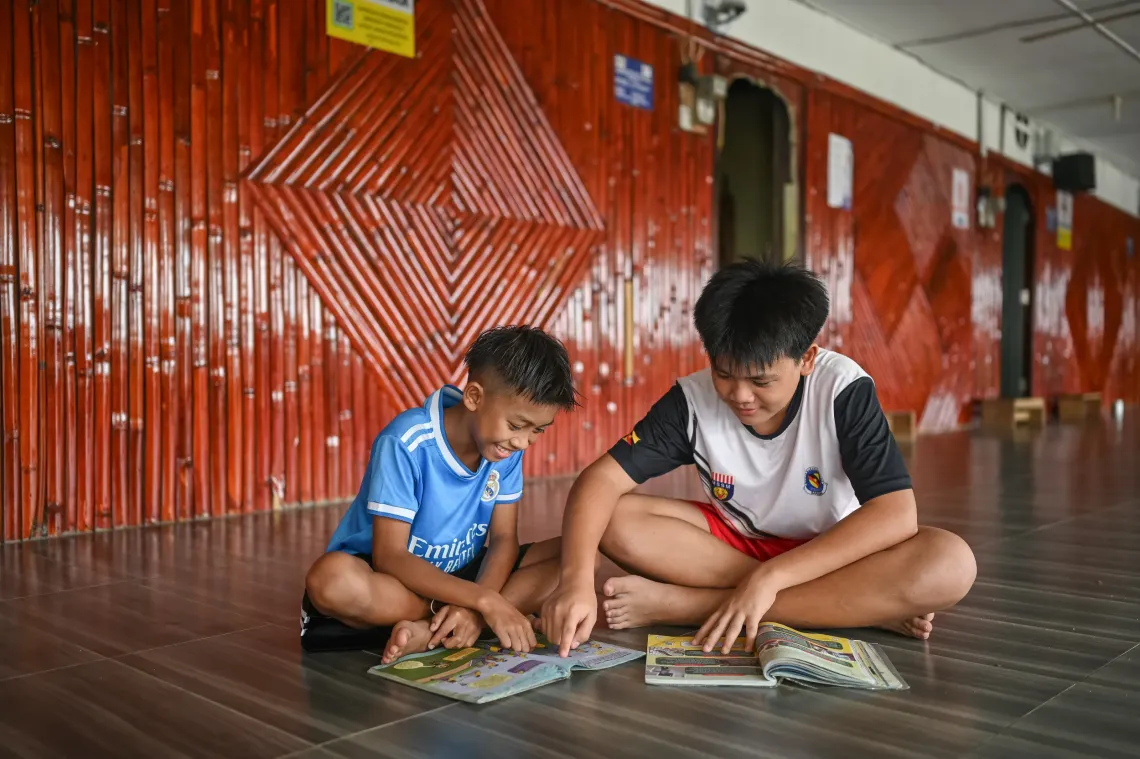
Freddy continues his classes at home through Pengajaran dan Pembelajaran di Rumah (PdPR), or home-based teaching and learning.
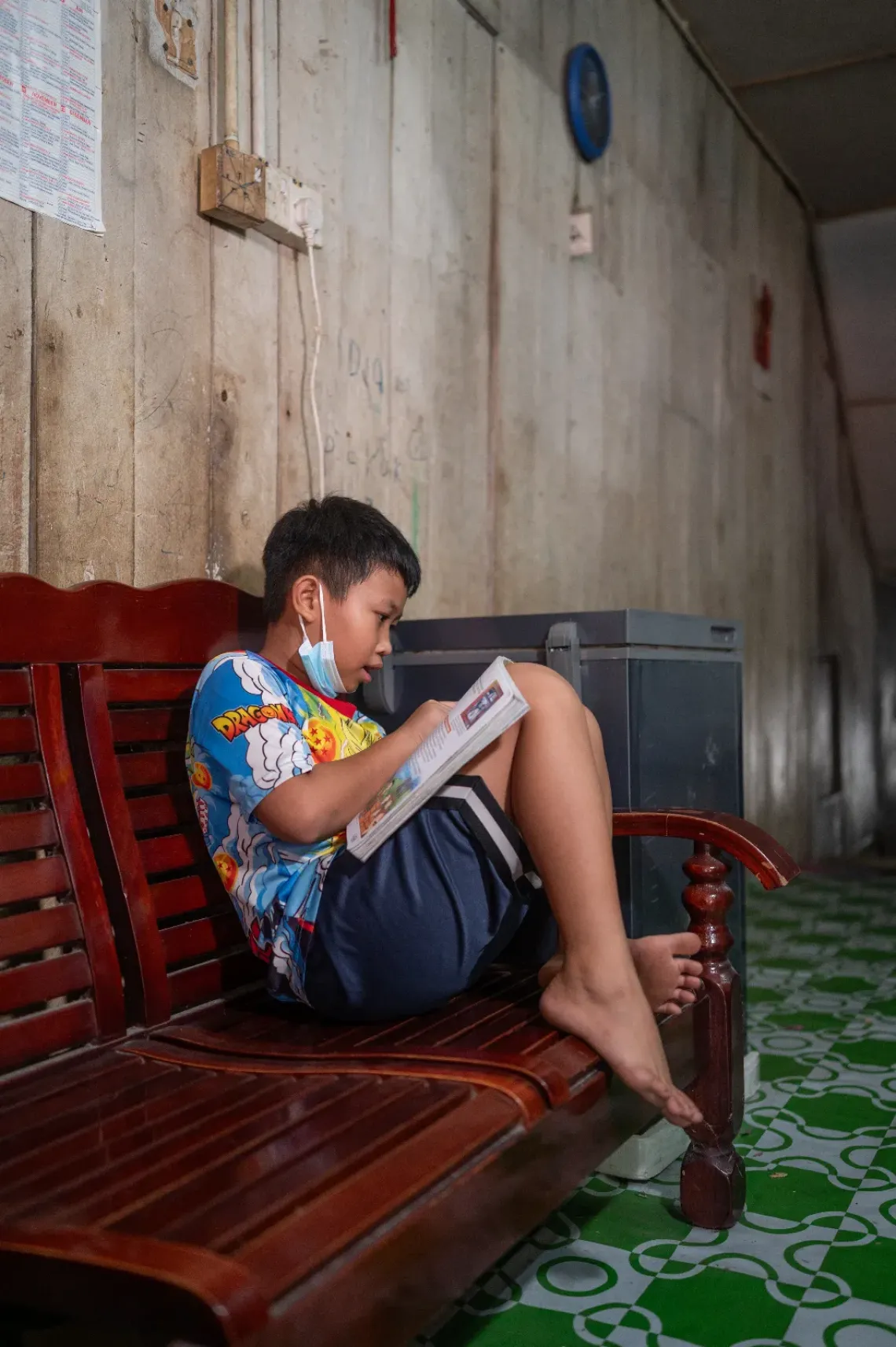
“I hope the haze will disappear soon so I can go back to school and play with my friends again,”
Andrea laments.
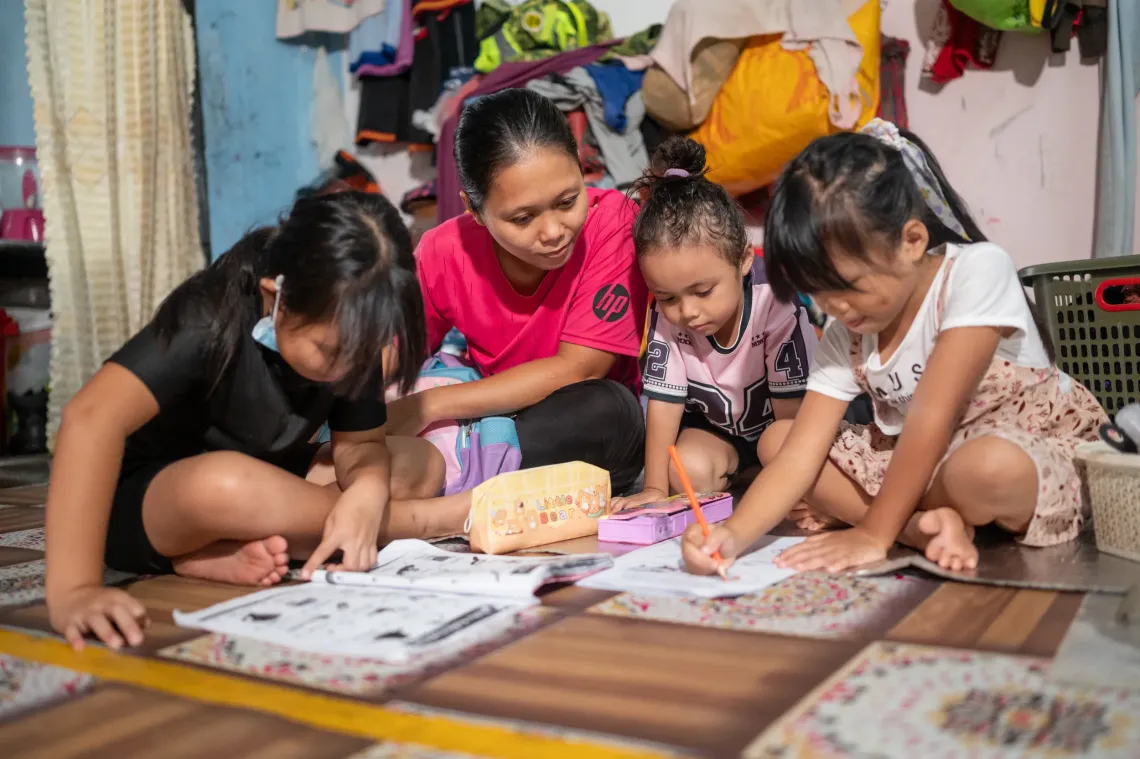
Zara’s mother, Jessica anak Kilmah, 31, is adamant that the disruption should not cause her children to fall too far behind.
She helps Zara and her siblings revise their lessons and complete their schoolwork at home. Freddy’s mother, too, helps with ensuring her children keep learning.
“I’m very thankful because my mother really takes care of our education and makes sure my siblings and I continue learning,”
Freddy says.
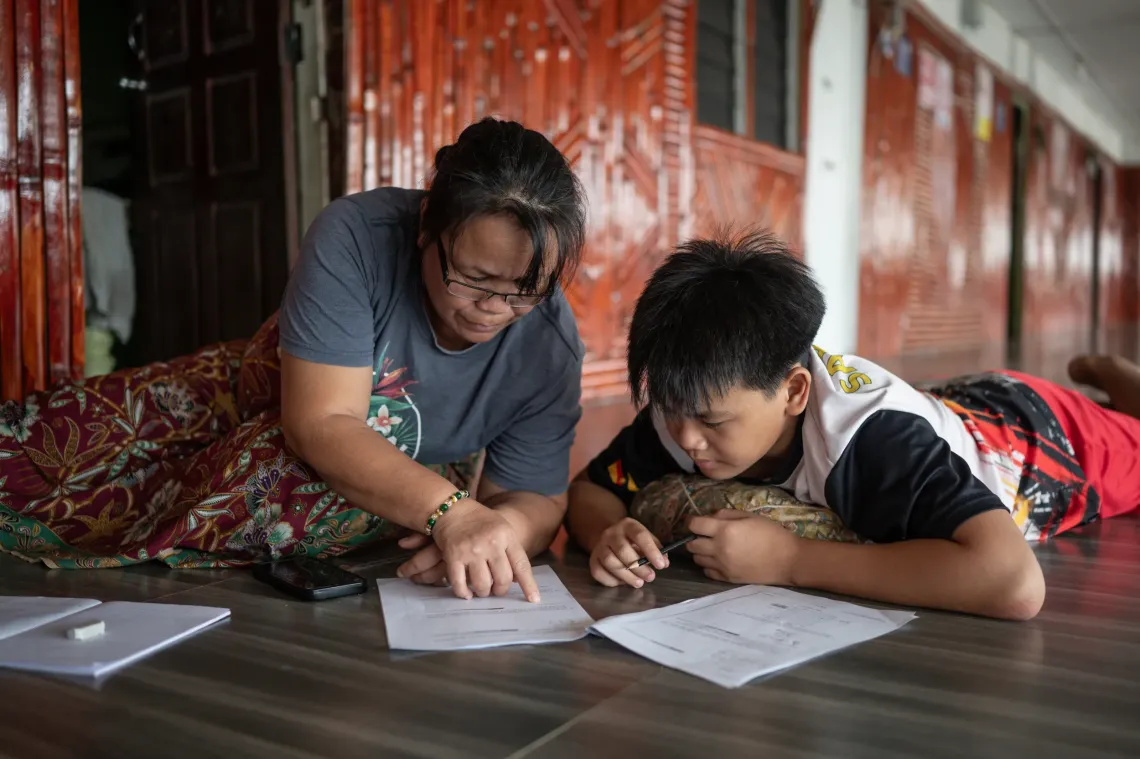
Yet repeated school closures can have long-term consequences. Not all children have equal access to learning support at home, and disruptions to education risk widening existing inequalities.
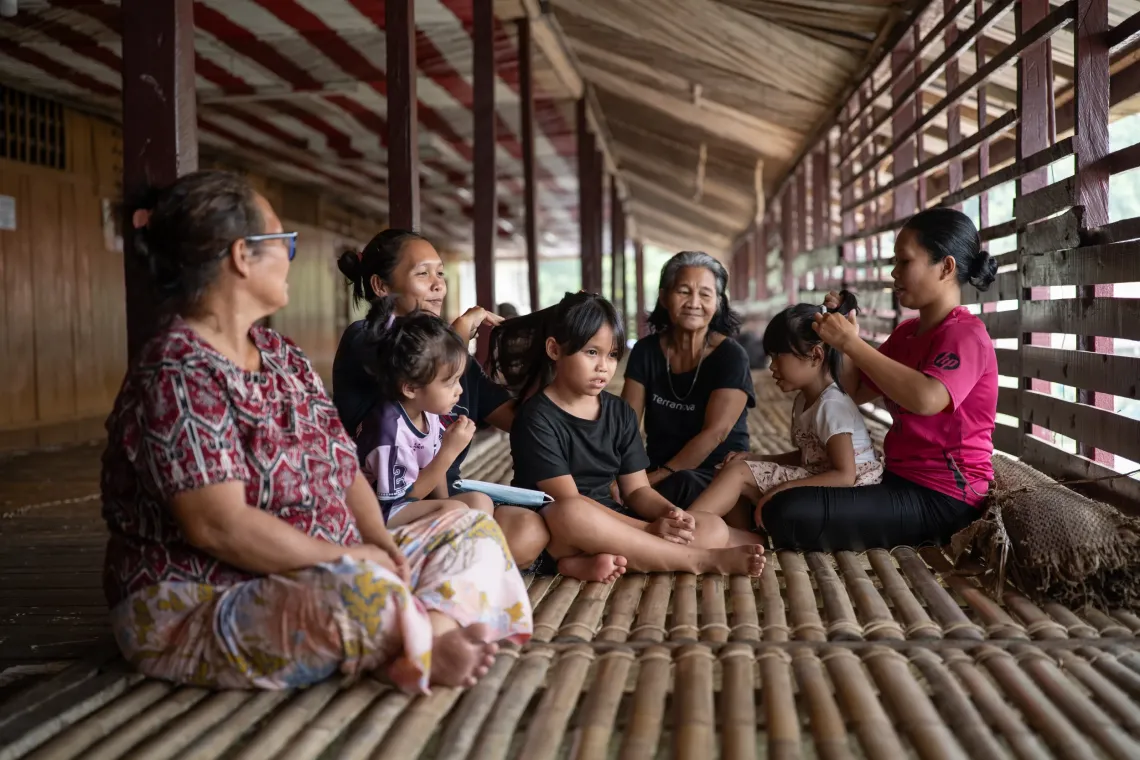
For families in communities like Kampung Mongkos, education represents more than schooling: it represents the possibility of changing a child’s future.
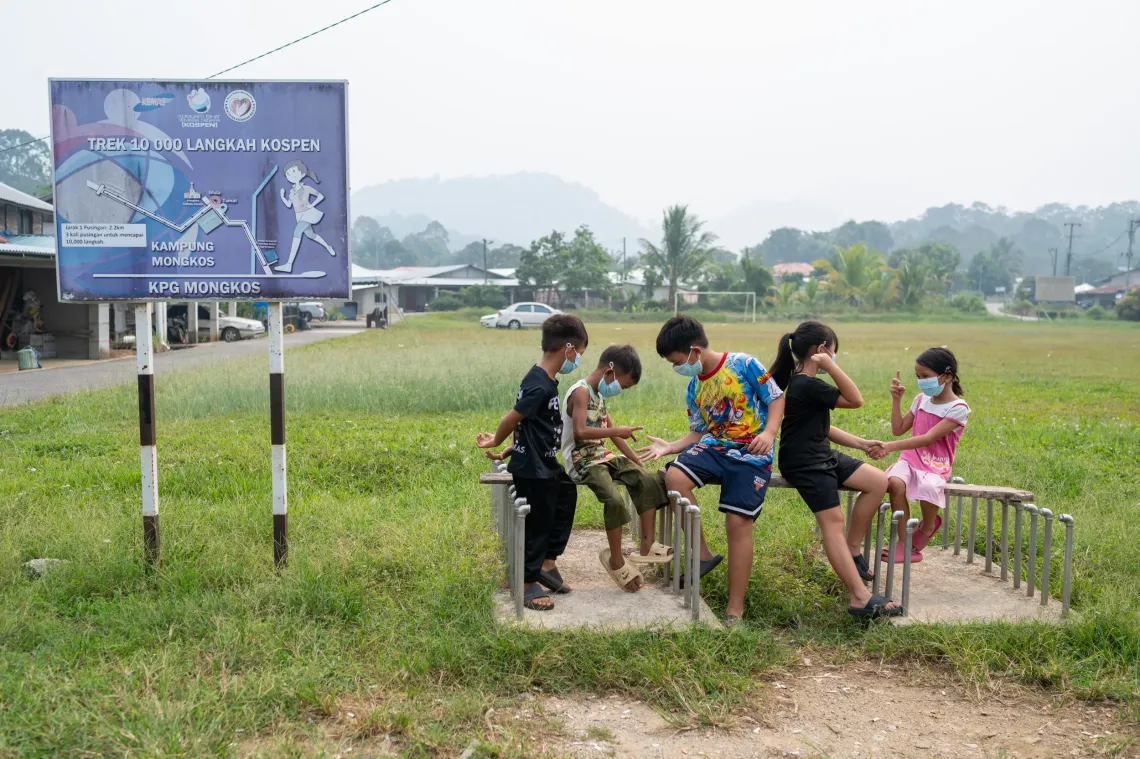
More than a classroom
As the mothers in Serian take on yet another responsibility to plug the gaps for their children’s future, there are still elements of a classroom they cannot mimic.
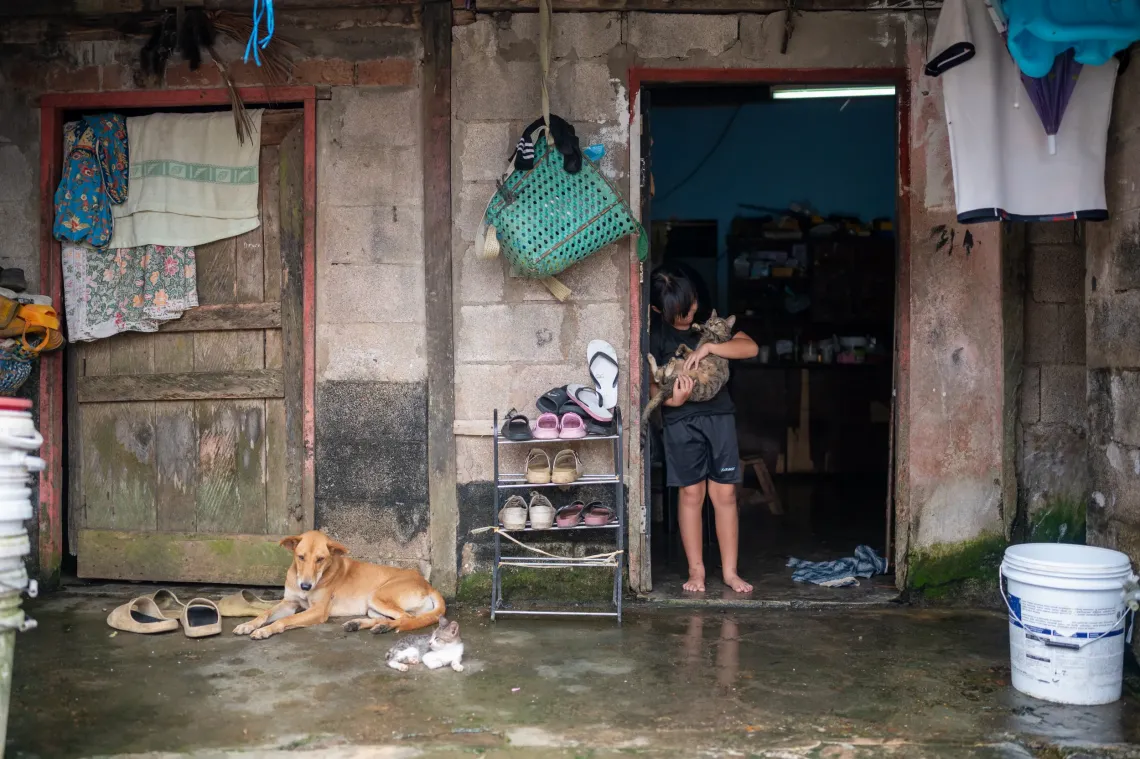
When schools close and outdoor activities are restricted, normal social interactions are also limited or curtailed.
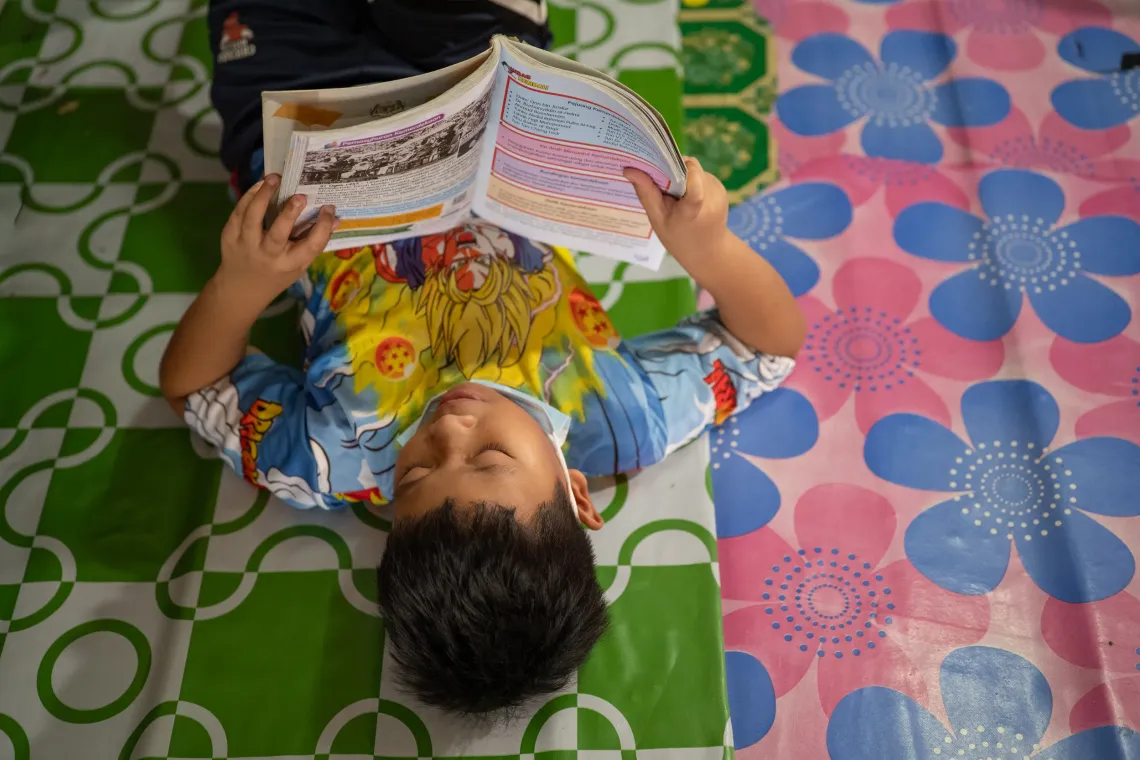
For children like Andrea, prolonged periods indoors can affect their emotional well-being. Being unable to play, exercise and interact freely with friends can leave them feeling frustrated and isolated.

For Freddy too, the return of a blue sky would mean more than the end of the haze. It would mean returning to school, picking up his hockey stick, and being free to play outside with his friends again.
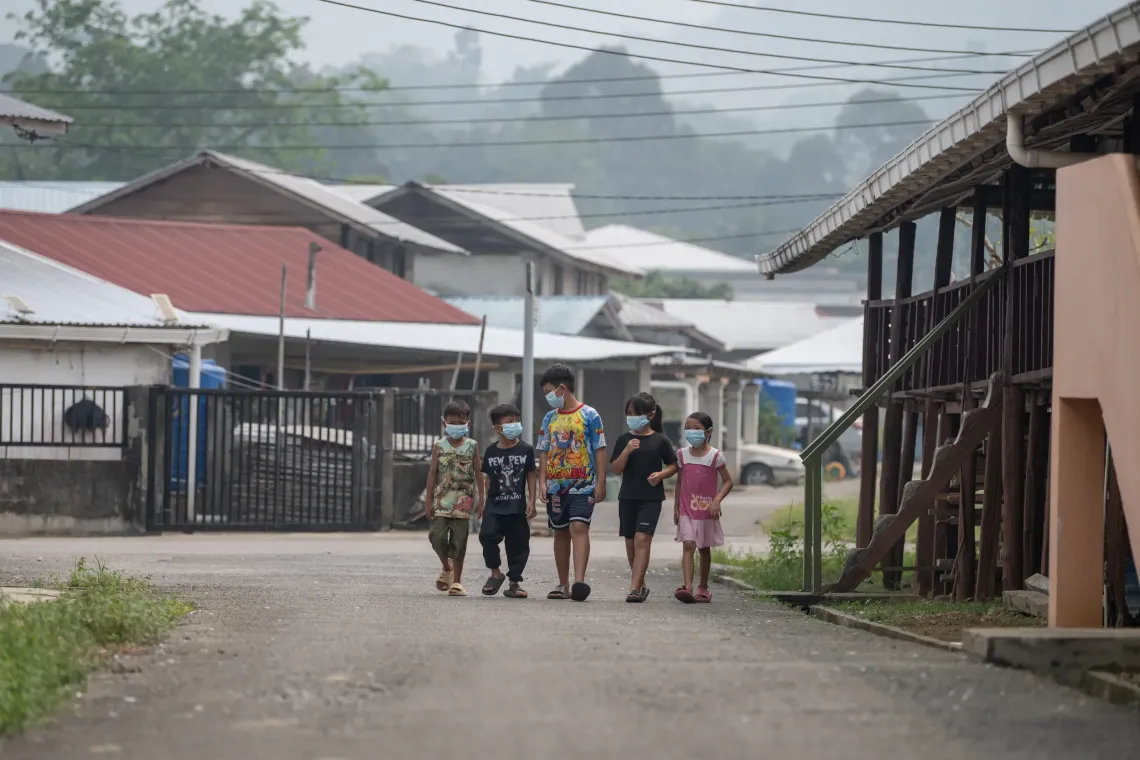
Being unable to socialize and play as they used to can negatively impact a child’s mental health – much more severely if it happens often or for long periods of time.
Children like Zara, Andrea and Freddy’s stories fortified one salient message: climate impacts are affecting children NOW and the consequences could prove far reaching if we don’t address them.
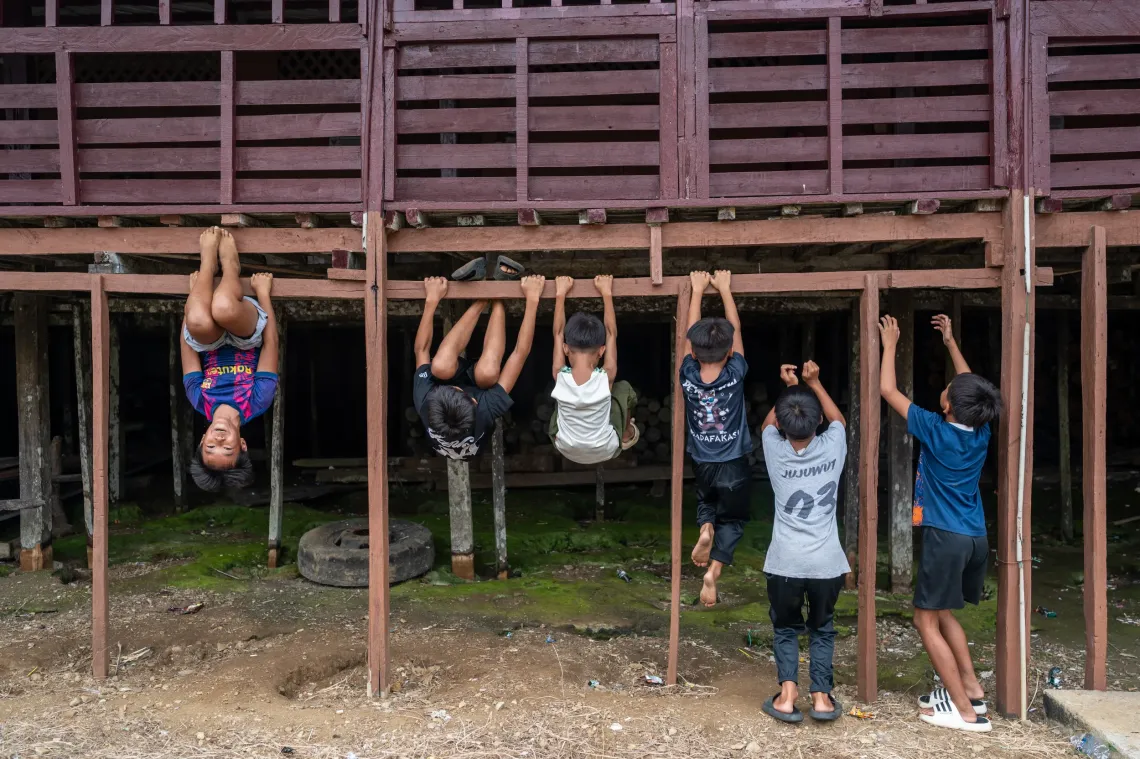
Every child has the right to learn, play, grow up healthy and live in a safe environment. Yet climate-related events such as haze are increasingly disrupting these rights for children across Malaysia.
Even if skies clear after this fire – would it really be the end of climate disruptions for them?