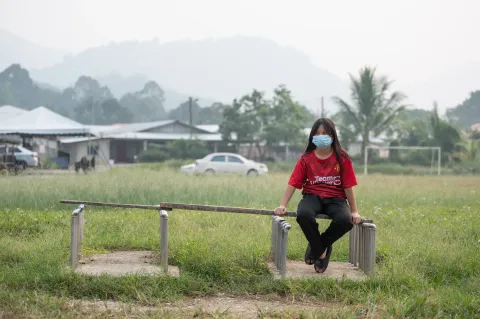
Hazy skies = hazy future?
Poor air quality can affect a child’s education and daily life that if prolonged or frequent, can impact their future.

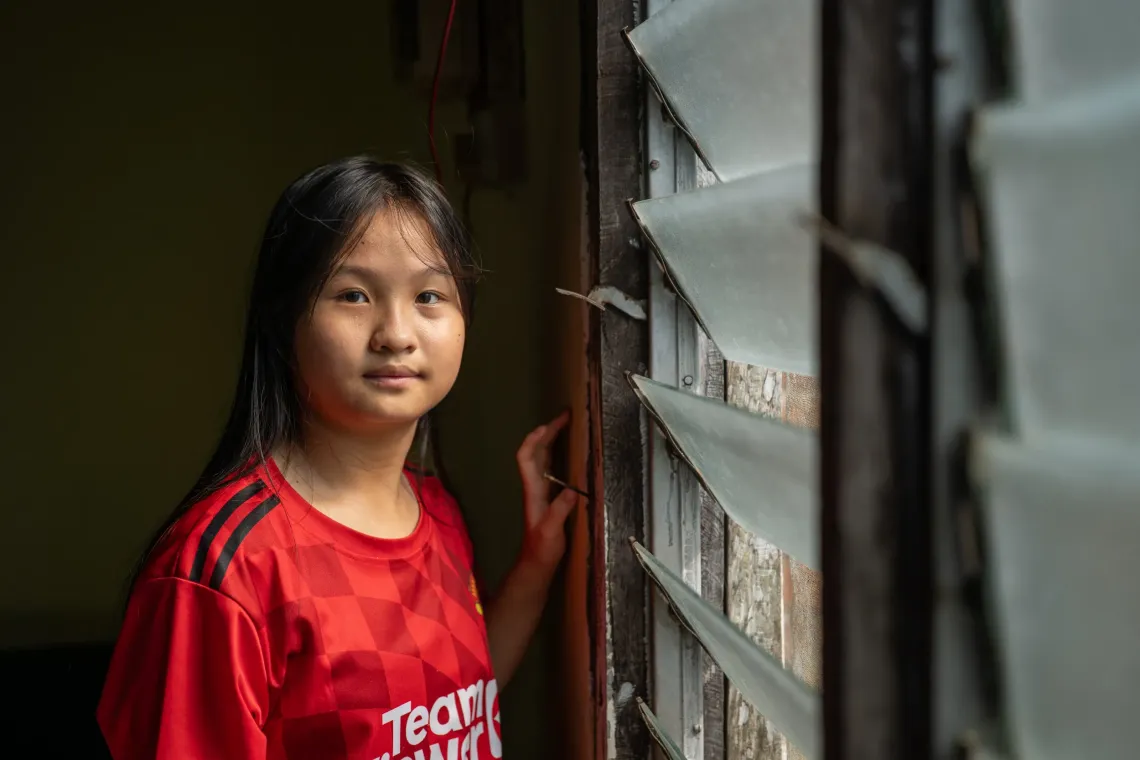
Twelve-year-old Eva lives in Kampung Mongkos, Serian, Sarawak, with her uncle.
Lately, the haze situation in Sarawak has changed Eva’s daily life.
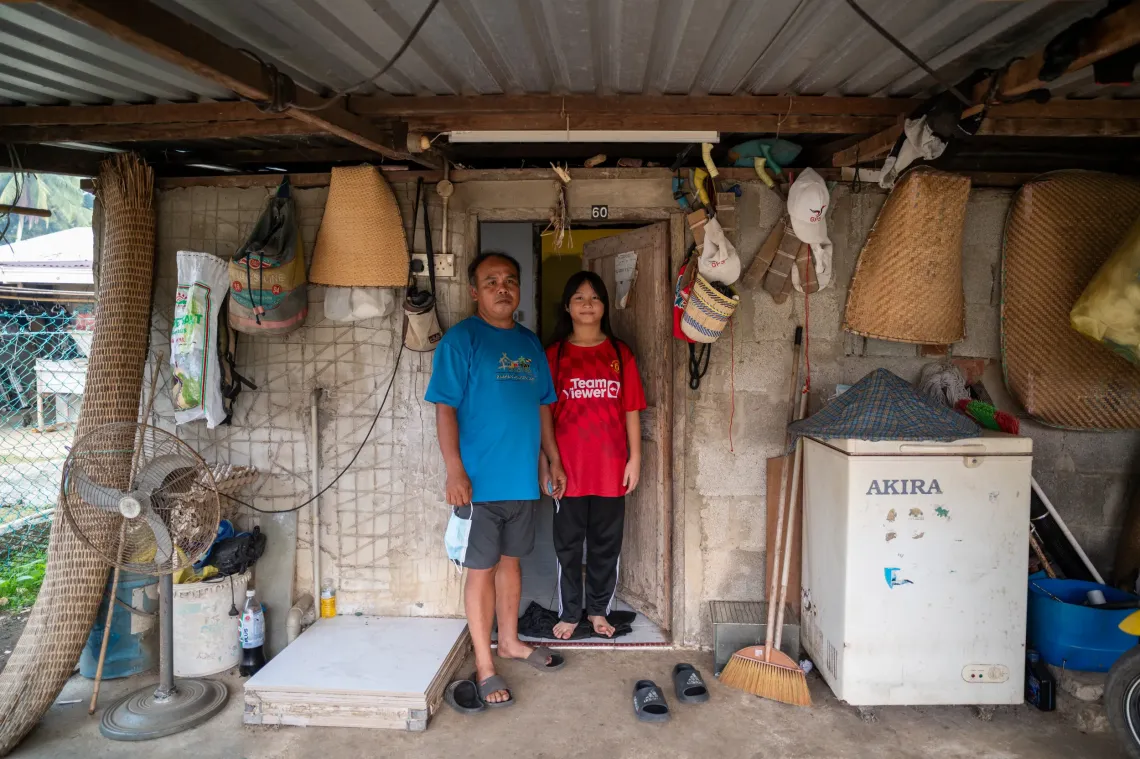
Eva loves school. Mathematics and English are her favourite subjects, and she dreams of becoming an English teacher one day. She also represents her school in chess competitions and enjoys playing badminton with her friends.
But when severe haze blankets Serian, much of the things that make up Eva’s everyday life is put on hold.
When the haze comes
On 10 September 2026, the Air Pollutant Index (API) in the Serian area hit 200 to 230. By the Department of Environment’s standards, this was considered ‘Very Unhealthy’ levels. Schools had been ordered to close for a week while communities waited for air quality to improve.
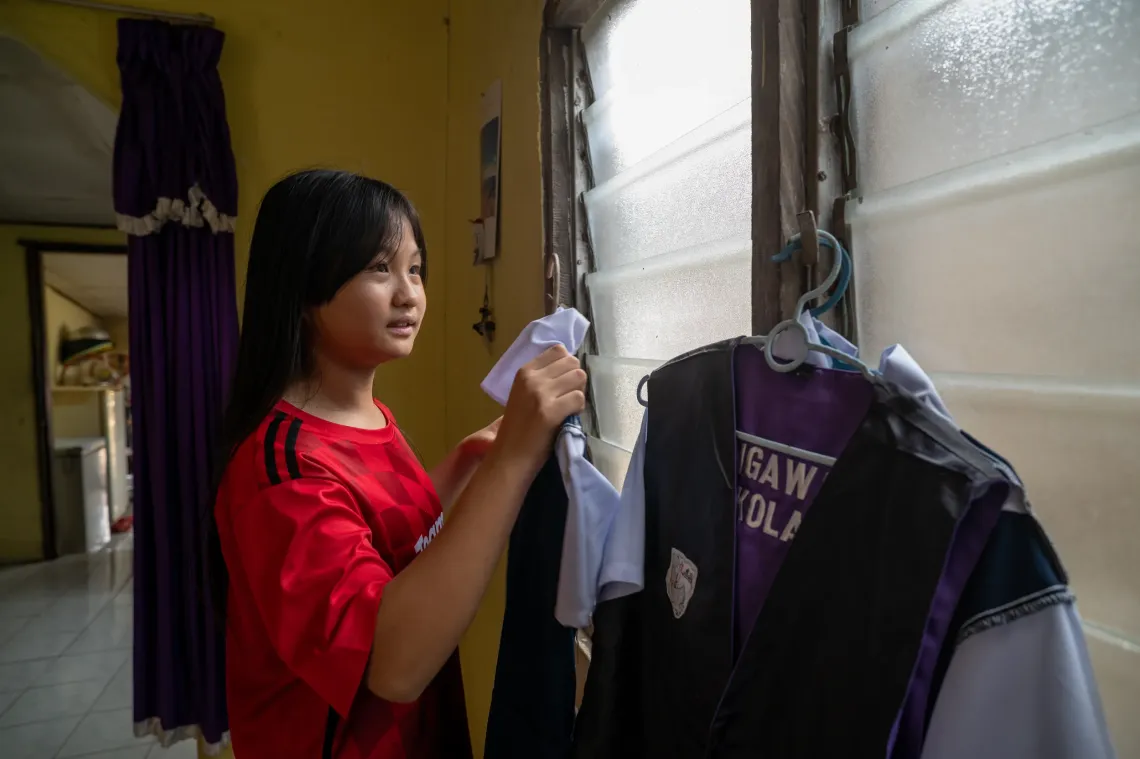
At home, Eva’s school uniform hangs by the window, a quiet reminder of the classroom she cannot attend.
“I like looking at the view outside, but now all I can see is a white sky because of the haze... I don’t like it when I cannot go to school.”
Eva, 12
Learning with an unreliable connection
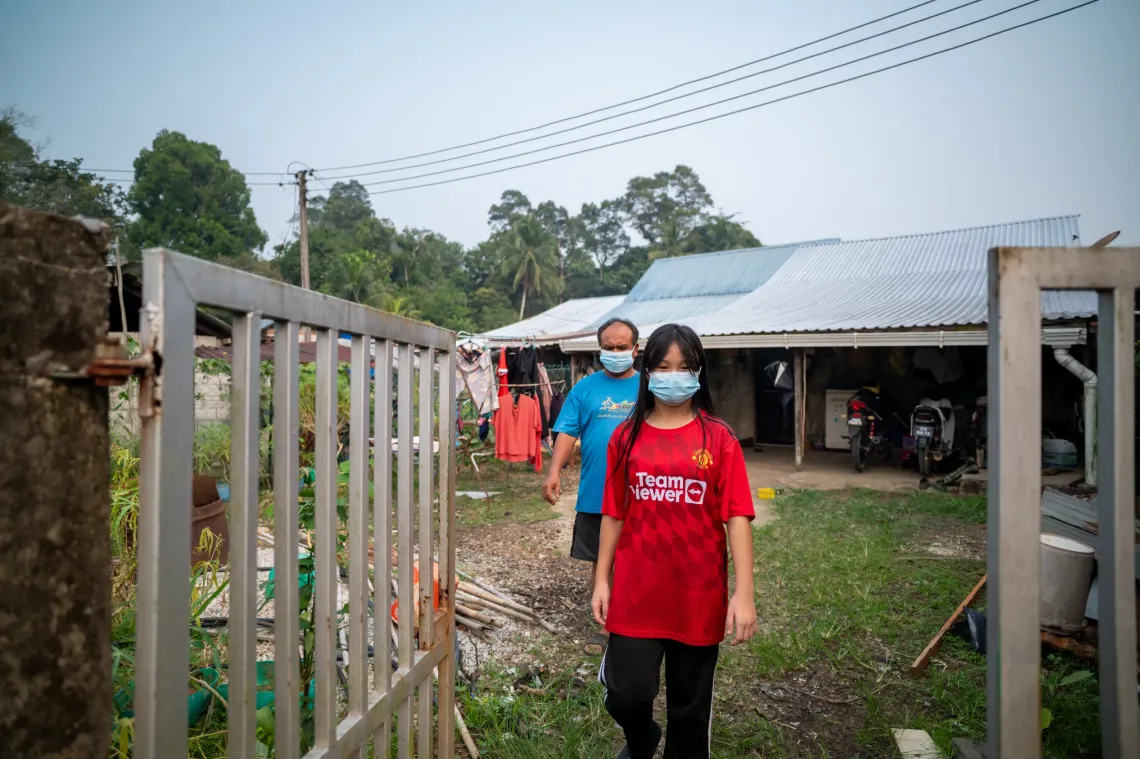
When schools close because of the haze, learning moves online. But for Eva, the classroom does not always follow her home.
Internet access can be unreliable in Kampung Mongkos. Eva often has to take screenshots of her teachers' instructions while she still has a connection so she can continue studying when the signal disappears.
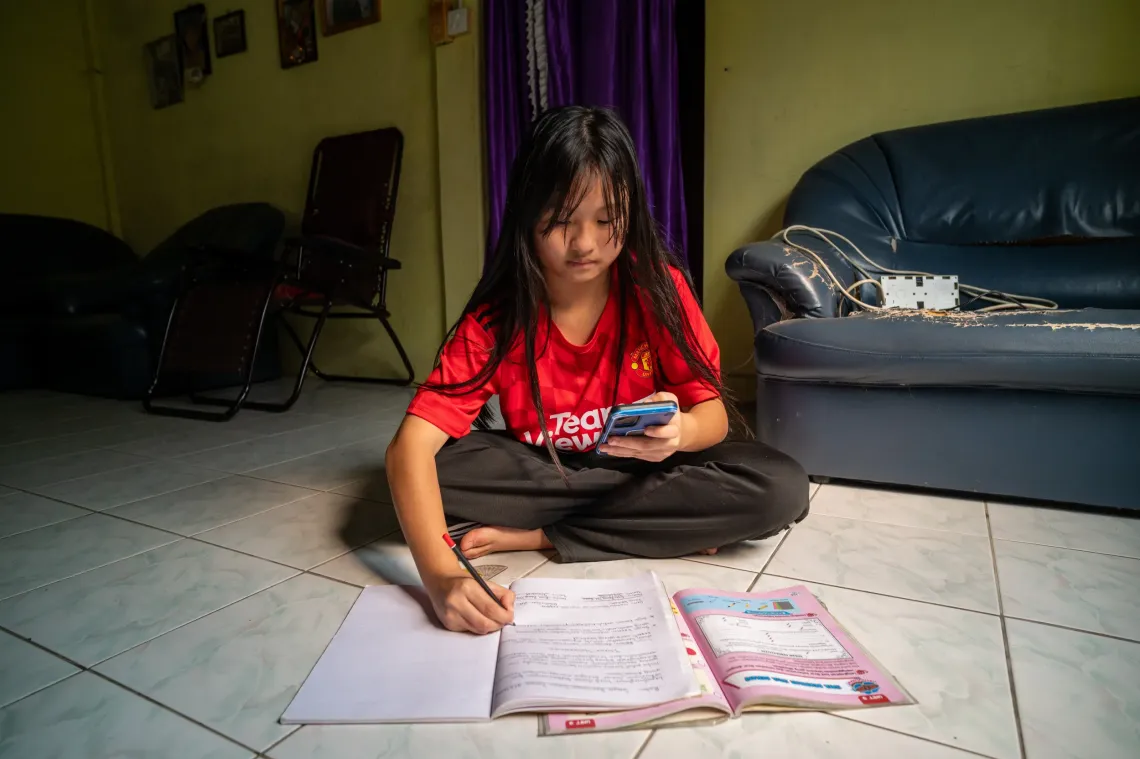
“The internet is sometimes there and sometimes there is no line. I have to screenshot the instructions from my teacher so I can finish my schoolwork.”
Eva, 12
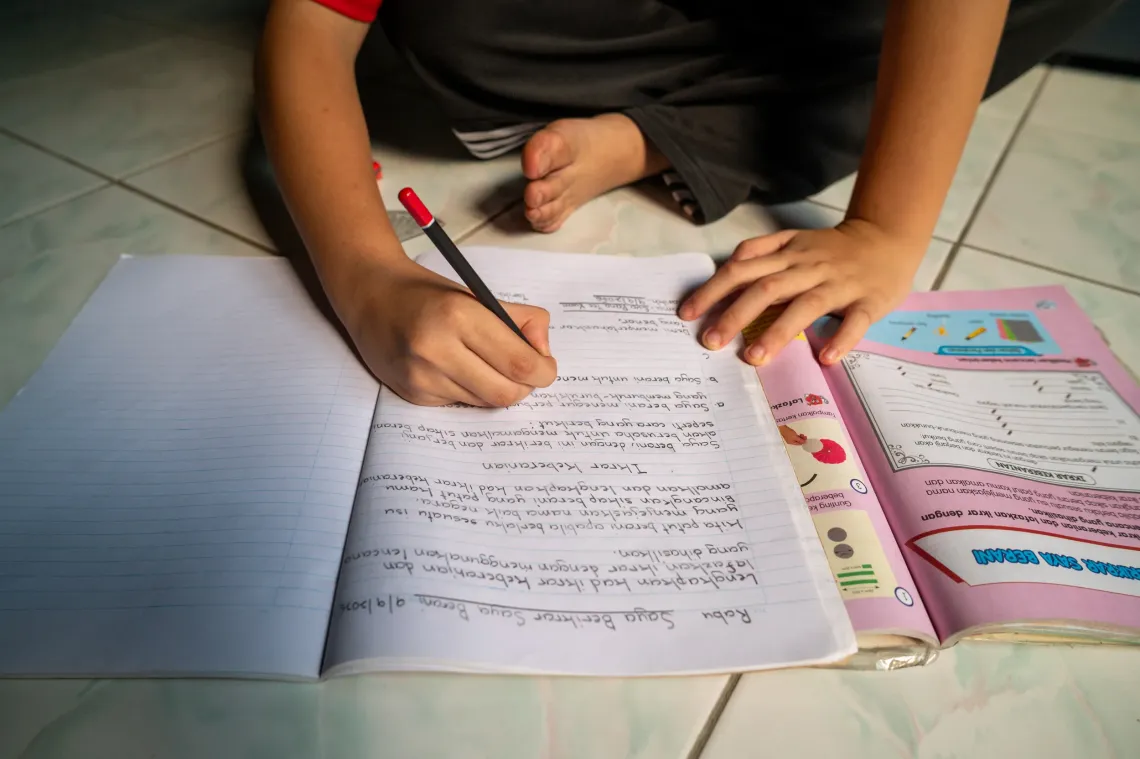
For children learning from home during an emergency, having a device is only half the battle. Eva’s experience shows how important a reliable internet connection can be in keeping up with lessons. When that connection is unreliable, children can struggle to stay on track with their learning.
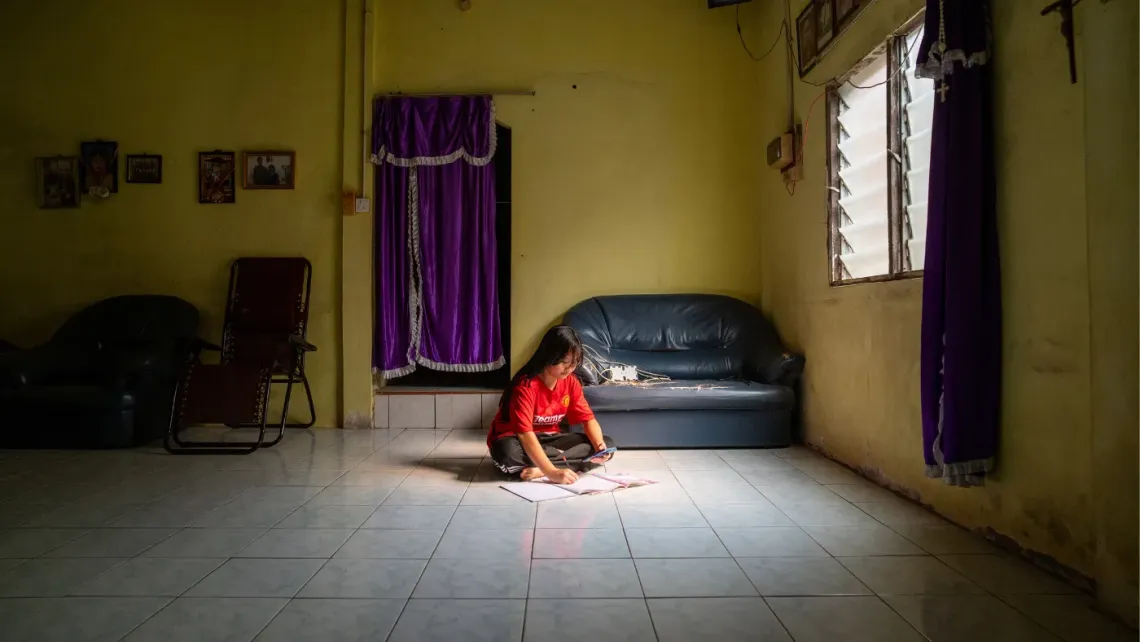
Learning at home also deprives Eva of companionship and group learning. With no siblings at home to study with, the isolation and lack of support can be daunting.
“When I study at home, there is no one to help me,” Eva said.
Waiting for clear skies
The disruption does not end with missed lessons. Eva also misses the everyday interaction of childhood. She misses her classmates, playing badminton and spending time with friends.
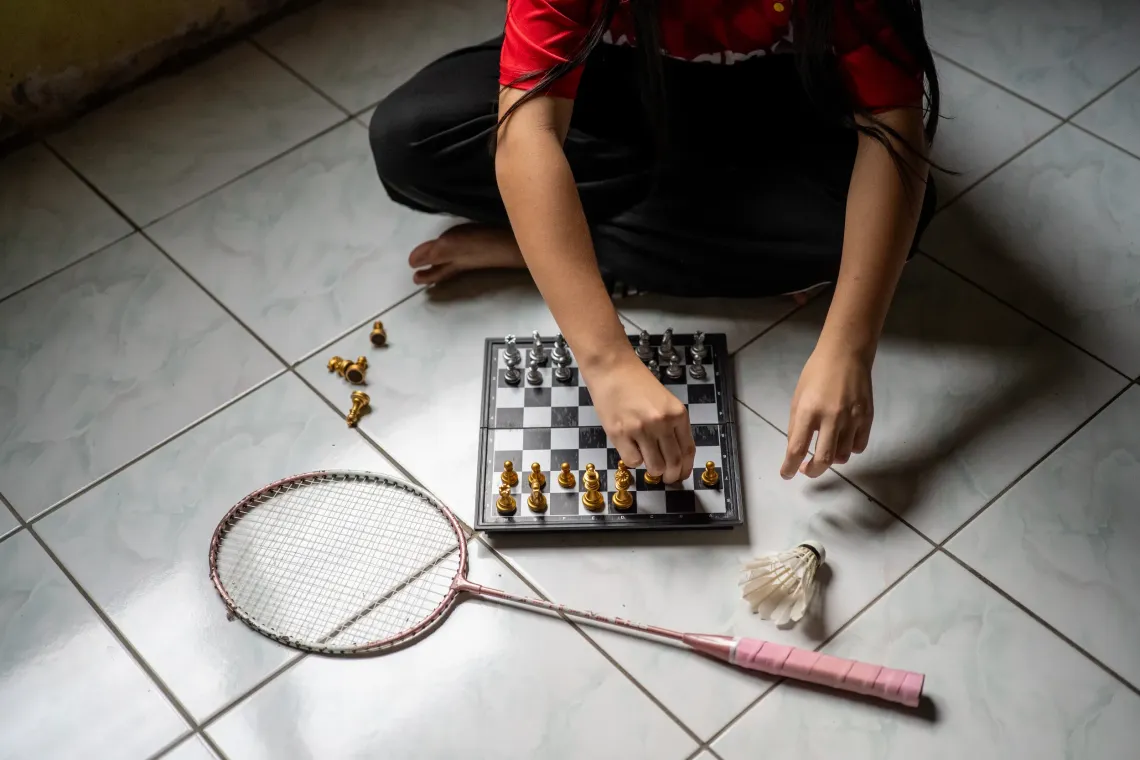
At home, her badminton racket and chessboard are reminders of the activities she enjoys when life is normal.
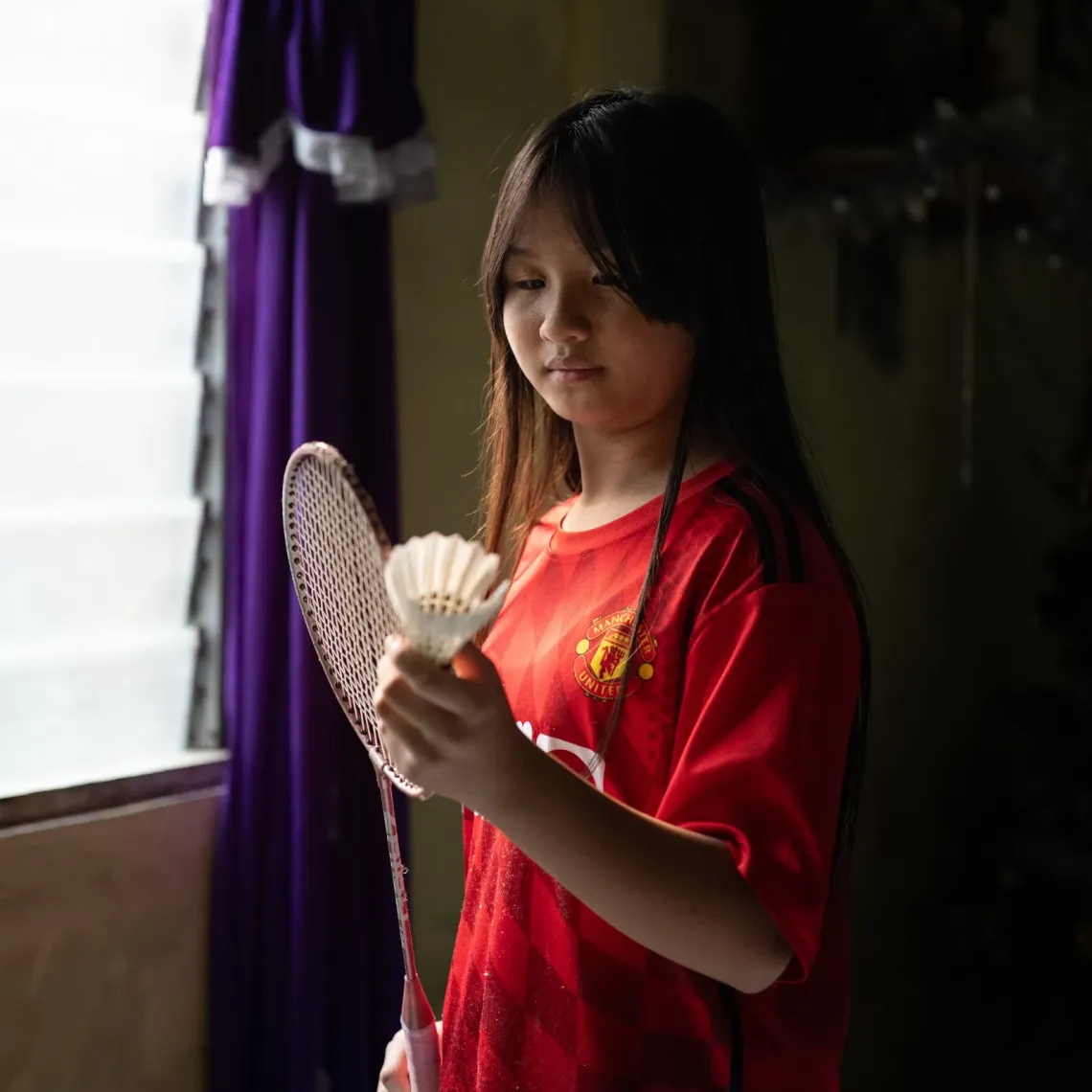
“I miss playing with my friends during the haze,” she said.
Still, Eva is hopeful that the skies will clear soon.
“I always pray that God will make the haze go away quickly,” she said.
“But I’m thankful that none of my family or friends have become sick because of the haze.”
Her advice to other children is simple: reduce outdoor activities during the haze and drink plenty of water.
She also hopes the government will continue helping families and communities facing difficulties during the haze.
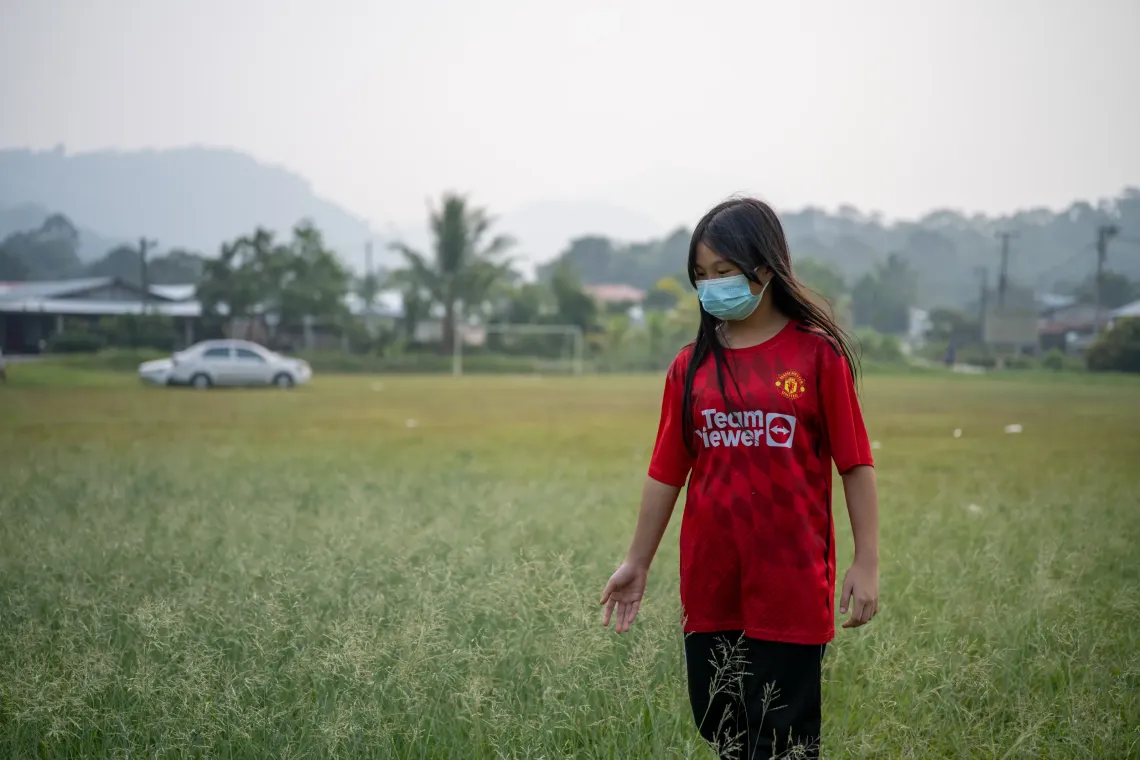
For Eva, clear skies mean much more than cleaner air. They mean going back to school, reconnecting with her friends and continuing to work towards her dream of becoming an English teacher in future.
Eva’s experience also shows that the disruption caused by haze can extend far beyond the classroom. When schools close, children need safe and reliable ways to continue learning, stay connected and access the support they need, wherever they live.
Note
Air pollution affects millions of children in Malaysia. According to UNICEF’s Children’s Climate Risk Report 2026, around 90 per cent of children in Malaysia are exposed to air pollution (PM2.5).
UNICEF Malaysia calls for greater action to protect children’s health and well-being, support resilient services and communities, and include young people in decisions that affect their lives and future.
When hazards such as severe haze disrupt schooling and everyday life, children must be able to stay safe, continue learning and access the services and support they need.