Unsafe water fuels outbreak as Blantyre launches aggressive cholera interventions
A child’s death in Chileka exposed the deepening crisis of unsafe water and urgent need for cholera vaccine across Blantyre.

The death of a three‑year‑old boy at Chileka Health Centre in January 2026 cast a harsh spotlight on Blantyre’s growing cholera crisis.
Director of Health Services in Blantyre, Dr. Gift Kawalazira, confirmed the child’s passing, describing it as a painful reminder of how quickly the disease can claim lives—especially among young children.
At Chileka Health Centre, Senior Health Surveillance Assistant (HSA) Stella Khumbanyiwa reports that the surrounding communities have recorded 27 cholera cases, including four confirmed infections.
Three of the cases were in children under five. The boy who died came from Suya in Chirimba, an area where many households rely on unsafe water sources.
Khumbanyiwa says the outbreak is being fuelled by persistent use of contaminated streams, despite the availability of boreholes fitted with chlorine dispensers.
“People avoid the boreholes because of congestion, and some believe borehole water doesn’t wash clothes well,” she explains. “This is why Traditional Authorities Kuntaja and Machinjiri have become hotspots.”
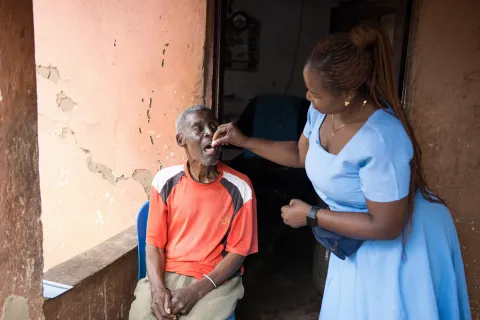
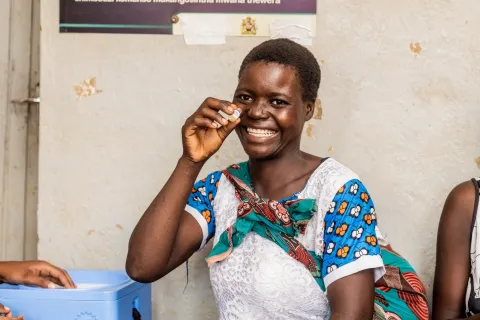
In Chilomoni’s Mulunguzi area—one of the hardest‑hit zones—fear has begun to shift behaviour. Five‑year‑old Dominic Chiputula received his oral cholera vaccine with his mother’s consent after a neighbour’s death jolted the community into action.
Senior HSA Thandiwe Chisi, who oversees the area, says the recent fatality prompted a surge in vaccine uptake.
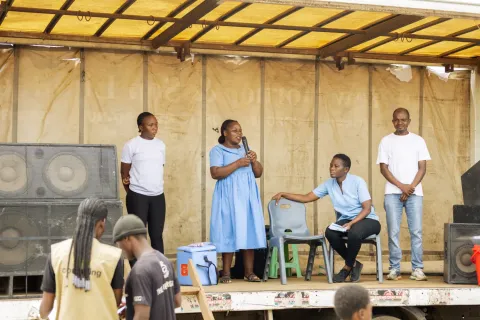
“We ran the oral cholera vaccination campaign from 21 to 25 January,” Chisi says. “On the first day alone, we reached 63 percent of our target. We were vaccinating everyone aged one and above through door‑to‑door visits and community gatherings.
Traditional leaders and ward councillors have been instrumental in dispelling myths.”
For many families, however, the root problem remains access to clean water. In Sosola, Chilomoni, Alinafe Khamula says her neighbour’s entire family was hospitalised with suspected cholera. The experience influenced her to change her water source and start using chlorine provided by HSAs.
“We draw water from a place where people dump waste because we can’t afford kiosk water,” she says. “Sometimes human waste contaminates it. But what choice do we have? After seeing my neighbours fall sick, I’m now treating every bucket with chlorine.”
Dr. Kawalazira acknowledges these realities. Blantyre has recorded 139 cases, 30 confirmed infections, and two deaths since December 2025. Surveillance shows that 22 of the confirmed cases originated from the Mulunguzi area, where residents rely heavily on unsafe streams like Muluda.
“We understand that kiosk water costs money and that taps sometimes run dry,” he says. “But using contaminated water is extremely dangerous. At Muluda stream, people wash plates and clothes while others collect the same water for drinking. This is a breeding ground for cholera.”
Despite the challenges, the vaccination campaign made significant progress.
The district targeted 24,000 people and had already administered 24,993 doses, including more than 3,500 children under five, in the first four of the five-day campaign supported UNICEF and WHO through the Ministry of Health and Sanitation.
Health workers credit the success to strong community engagement, persistent door‑to‑door outreach and support from local leaders.
Still, the death of the three‑year‑old boy underscores the urgency of addressing the underlying issues driving the outbreak—unsafe water, poor sanitation and limited access to affordable potable water.
As Blantyre continues its fight, health officials warn that without sustained behaviour change and improved water infrastructure, the risk of further loss remains high.