The sound systems leading the charge against cholera
Music powered “edutainment” trucks are helping Mwanza reach thousands with life saving cholera vaccines.

The Mwanza border post—normally a blur of dust, traders’ shouts and revving engines—has taken on an unusual rhythm. Today, the noise comes not from commerce but from a powerful sound system mounted on an open van.
Music thunders across the crossing, pulling travellers, vendors and transporters into an impromptu gathering.
On the truck’s small stage, two performers dance with infectious energy. As the crowd sways, Health Surveillance Assistant (HSA) Martha Chasukwa steps forward, using the brief pauses between songs to deliver a message about cholera prevention and the importance of vaccination.
The truck is part of a UNICEF‑supported “edutainment” strategy—using entertainment to draw people in, then offering protection once they arrive.
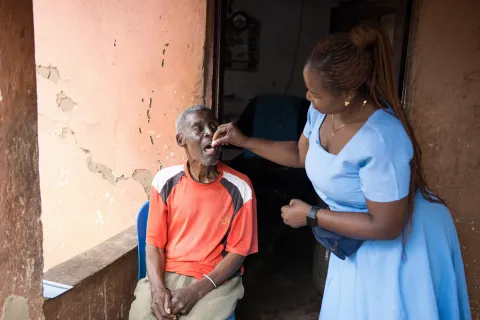
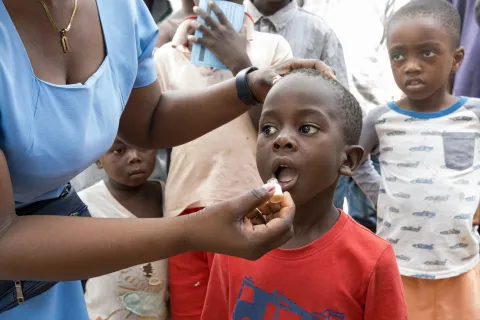
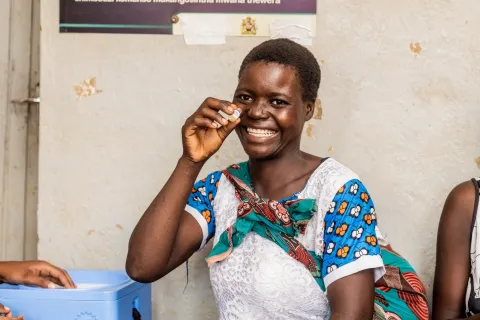
“The mobile van spreads the message to more people and more easily,” Chasukwa says as she prepares another round of oral cholera vaccines. “People are attracted to the music. We entertain them, but we also protect them. It has significantly increased the cholera vaccine uptake.”
Among those drawn to the spectacle is 76‑year‑old tyre fitter Michael Kuvave, who has worked at the border long enough to remember cholera seasons before vaccines were available.
He has watched the disease devastate communities year after year. After receiving his dose, he nods toward the crowd.
“I rushed here when I saw the truck. Once I get home, I will advise everyone to do the same. We all know what this disease does—everyone must take responsibility,” said Kuvave.
The urgency at the border reflects a wider defensive strategy. While Malawi faces a national spike in cases, Mwanza district has managed to maintain zero local transmissions this year.
Health promotion officer Dikirani Chanza attributes this to early preparedness: distributing chlorine before the rains, treating shallow wells and conducting door‑to‑door communication to reinforce hygiene practices.
But the border remains the frontline. All 87 cases recorded in Mwanza this season originated across the border in Mozambique, specifically from the Lizinje gold mine, where health services are scarce.
Sick miners often travel into Malawi on kabaza (motorcycle taxis), creating a high‑risk corridor for the bacteria to spread. By positioning the edutainment truck at these transit points, health teams aim to intercept infections before they reach interior villages.
The campaign was ambitious, targeting more than 20,000 people in high‑risk zones in the district within just three days.
While door‑to‑door visits remain essential, they are slow and labour‑intensive. The truck, by contrast, creates an instant, high‑volume clinic wherever it parks—turning border posts, markets and trading centres into vaccination hubs.
As the sun beats down on the crossing, the music continues—an unlikely but hopeful soundtrack to a public health mission. For veterans like Kuvave, the lively scene is a welcome contrast to the grim silence of past cholera wards.
The goal now is a final “mop‑up” push, ensuring that once the speakers fall silent and the truck moves on, communities remain protected through immunity.