From Hunger to Hope: Fighting Malnutrition Through Cash Transfers in Neno
Cash and care: helping mothers in Neno keep their children nourished

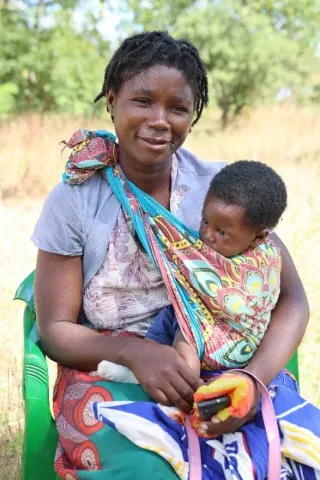
For 36-year-old Felise James of Chimbalanga I Village, Traditional Authority Dambe in Neno District, the lean season is often a difficult period marked by food shortages and uncertainty.
As a mother of six children, Felise knows the struggle of providing adequate nutrition for her family when household food supplies run low from January to March.
This year, the challenge has been even greater because she is caring for her three-month-old baby, who depends solely on breast milk.
“When there is little food in the house, I do not eat well, which affects how much breastmilk I produce for my baby,” explains Felise. “Most days, I eat only sweet potatoes in the morning and nsima with vegetables for lunch and supper.”
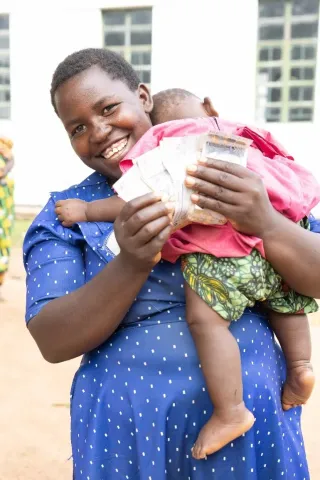
Like many vulnerable households in Neno District, Felise’s family is enrolled in the Social Cash Transfer Programme (SCTP). Through a nutrition-sensitive social protection initiative supported by the Embassy of Ireland and UNICEF, she recently received a cash transfer top-up of MWK 111,000 to improve her household’s nutrition during the lean season.
The initiative is funded by the Government of Ireland and receives technical support from UNICEF. It is implemented in close collaboration with District Councils and key government ministries, including the Ministry of Gender, Children, Disability and Social Welfare; the Ministry of Health through the Department of Nutrition and the Ministry of Finance and Economic Affairs.
The intervention targets 279 children under age two in Neno and 242 in Mwanza from vulnerable SCTP households. In addition to the cash transfer, beneficiaries receive Social and Behavior Change (SBC) messages, malnutrition screening, and referrals to other nutrition services.
For Felise, the additional support has brought renewed hope.
“I plan to use the money to buy beans, soy pieces, and milk so I can eat a healthier diet and produce enough breast milk for my baby,” she says. “I want my child to grow up healthy and strong.”
Health workers in the area say that poor dietary practices remain a major contributor to malnutrition in young children.
Among them is Joseph Gannet, a Health Surveillance Assistant (HAS) responsible for the Kundembo Catchment Area, Neno, who says that many caregivers introduce inappropriate foods too early and often lack access to nutritious meals.
“Most children become malnourished because caregivers feed them nsima from morning to evening, often before they reach six months of age,” he explains. “The nsima is usually eaten with only vegetables, making it less nutritious. At the same time, many mothers survive on nsima, sweet potatoes, or Irish potatoes, with little protein. This affects both their nutritional status and the amount of breastmilk they can produce.”
According to Gannet, the cash transfer top-up is helping households access a wider variety of foods and reinforcing nutrition messages delivered during community engagements and at pay points.
At designated touchpoints, caregivers receive SBC messaging on appropriate infant and young child feeding practices, undergo malnutrition screening, and, when needed, are referred to additional services.
Neno District Social Welfare Officer, Amos Chandilanga, says that early community feedback is encouraging.
“We have already observed that many caregivers begin purchasing nutritious foods, such as cooking oil and other dietary items, soon after receiving nutrition education during the SBC sessions,” he says.
Chandilanga believes the intervention has the potential to deliver lasting benefits beyond the immediate lean season.
“The long-term impact of this project is healthy children, a healthy generation, and more meaningful and impactful participation in development among SCTP beneficiary households,” he says.
He also notes that the initiative offers valuable lessons for future social protection programs.
“One key lesson is that lean-season responses must address community food gaps not only to fill stomachs but also to improve the overall health and nutrition of households,” Chandilanga explains.
Beyond improving dietary diversity, stakeholders expect the intervention to reduce cases of child malnutrition and malnutrition-related deaths in vulnerable communities.
For Felise, however, the benefits are already tangible. The support offers an opportunity to provide better nutrition for herself and her infant during one of the year's most challenging times.
As she prepares to buy beans, soy, and milk with the cash transfer, she looks forward to seeing her baby thrive.
Across the Mwanza and Neno districts, hundreds of families like Felise’s are receiving similar assistance, demonstrating how nutrition-sensitive social protection can help vulnerable households move from hunger to healthier, more hopeful futures.
“Improving nutrition is not only about increasing household income. By combining regular cash support, lean season cash top-ups, and social and behaviour change interventions, we help families access nutritious foods, adopt positive feeding practices, and build resilience for lasting nutrition outcomes," George Juwawo, Social Policy Specialist, UNICEF Malawi.