How tackling misinformation is key to cholera response success
UNICEF is supporting cholera response in Malawi

Claims dismissing the existence of cholera, or as a simple diarrheal infection, and even confusing the disease with conspiracy theories have taken a toll on the response to an outbreak that has so far killed more than 1,500 people across Malawi.
“This cannot be cholera. Officials are lying to us,” one street vendor, known as Joe, is heard speaking loudly to people at Lilongwe Old Town. “It’s a scheme to kill people, especially men, and use the situation to make more money.”
On one side of the road, just about 400 metres from a Cholera Treatment Centre at Bwaila Hospital, some of Joe’s fellow street vendors applaud him for his words, while on the other side, one woman looks surprised, questioning Joe’s thinking on the alleged scheme.
“This is one of our biggest challenges fuelling the spread of cholera,” says Collins Nkhulazi, a clinical officer at Bwaila. “Some community members do not have correct information about cholera. They think there is no cholera, yet cholera is real, and it needs them to play their part to prevent and stop it.”
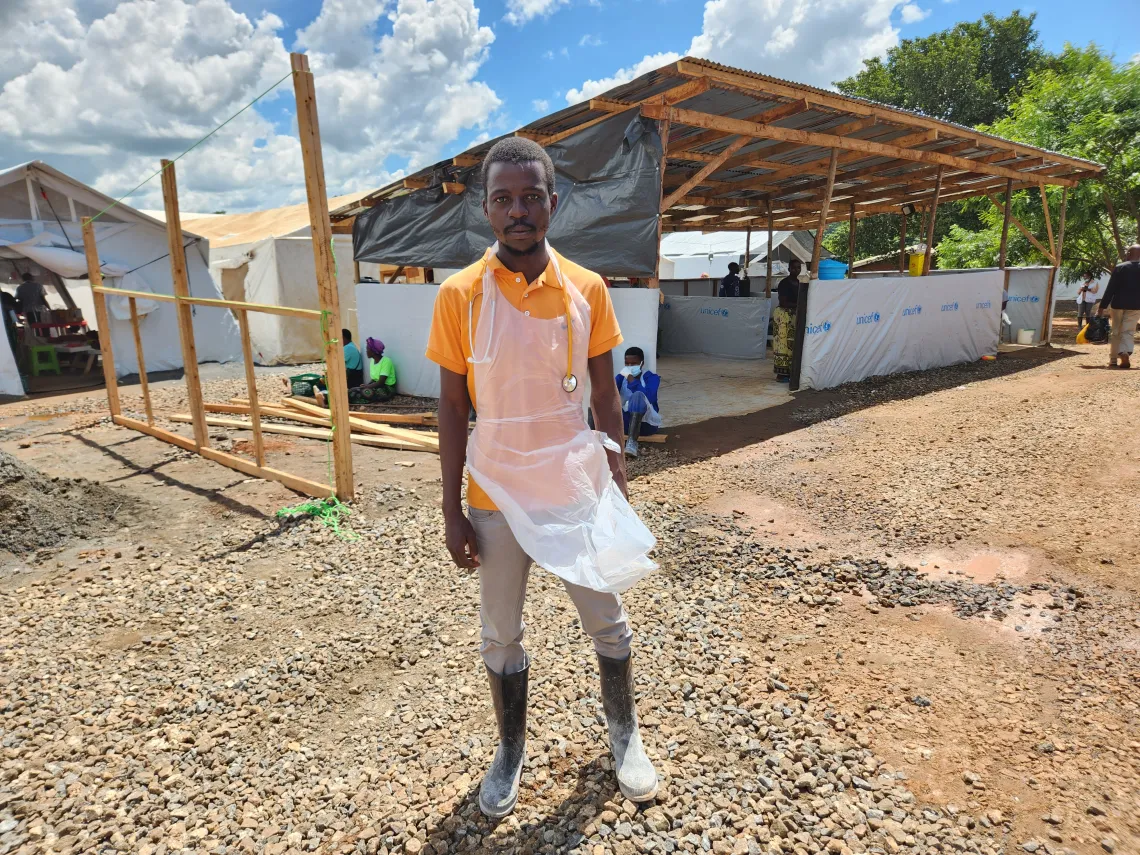
Nkhulazi partly blames the denial of cholera existence for the high number of cholera deaths and thinks the fatality rate can be easily reduced if communities understood cholera well and got treatment swiftly.
“We have two mortuaries at this hospital just for cholera deaths which are occurring mainly due to late presentation of cholera cases,” he says.
Agnes Mamme, a nurse at Bwaila Hospital, also blames misconceptions about cholera as one of the reasons community members are not seeking treatment on time.
“The community perception is making our work difficult. People need to accept that cholera is real and preventable by using safe water and having good sanitation and hygiene,” says Mamme.
Misplaced religious beliefs, ignorance, and illiteracy are some of the factors compounding cholera misinformation and disinformation, according to Kedson Masiyano, a Chief Clinical Officer at Area 18 Health Centre in Lilongwe.
“We have had incidents where some people have died at home because their relatives thought they were attacked by demons and called religious leaders to lay hands on them to exorcise the demons. The people come here just to confirm the deaths. When we tell them that the patients died of cholera, they refuse and create their own reasons for the deaths. We struggle to reason with them,” he says.
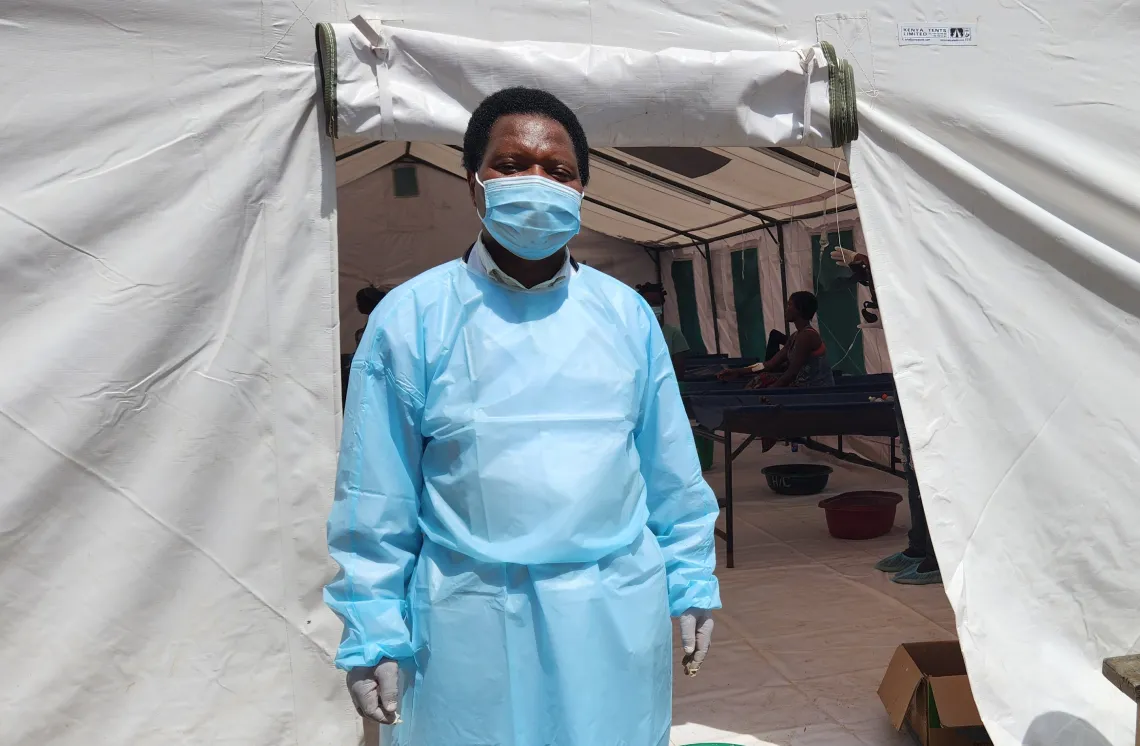
To fight cholera misinformation, Masiyano says health officials have teamed up with the media, community leaders, the police, and other stakeholders to sensitise people on the disease.
“We are providing health talks at the health centre, telling people cholera is real. We enlighten them on how cholera spreads and what they can do when someone gets it. Other health workers go into the communities to chlorinate, sensitise the people, and counter the myths and misconceptions. They also promote handwashing with soap and chlorinated water for drinking.
“We are also utilising local leaders and engaging them to help us disseminate correct information to their people. When relatives completely refuse to take cholera patients to the hospital, the police go into the communities to force people to come to the hospital,” he says.
Secretary for the Ministry of Health, Charles Mwansambo, says the government is strengthening community engagement and risk communication in the cholera response with support from UNICEF and other partners.
“Risk communication and community engagement are very critical. We know that cholera causes severe dehydration very quickly, and as a ministry, we are working with several organizations to get to the people and give them the right messages about cholera,” says Mwansambo.
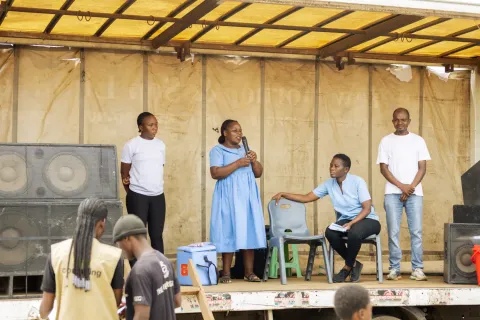
UNICEF risk communication and community engagement support to the response includes social behavioural change and mass communication interventions that have been engaging communities with essential cholera messages through household visits, community dialogues, radio, television and digital channels, and radio listeners’ groups, among others.
With UNICEF support, leaders of four religious denominations are also collaborating to promote health-seeking behaviours, use of ORS, and hygiene practices among their followers in cholera hotspot districts.
UNICEF Representative, Rudolf Schwenk, says effective communication and engagement with the public during the outbreak are crucial not only for the rapid control of the spread of the disease but also to keep communities informed and reduce the risk of violent reactions against health workers who are working tirelessly to help patients and save lives.
“Through our collaboration with the Ministry of Health, we continue to scale up efforts to engage different stakeholders at the national and community levels to ensure key messages on cholera reach all people in affected communities. We are also strengthening feedback mechanisms to ensure people’s concerns on cholera are adequately addressed in the response,” says Schwenk.
Mamme and Nkhulazi believe the faster misinformation on cholera is fully tackled, the greater the chances of containing the outbreak, and Schwenk says UNICEF is ramping up support to help authorities achieve that.