From commitments to results: Malawi must now deliver on safe toilets
Political commitment is in place. The challenge now is delivering safe sanitation services that improve health, dignity and opportunity for every Malawian.

As Malawi joins the world in marking World Toilet Day on 19 November, one question matters: are our commitments delivering real change in people’s lives?
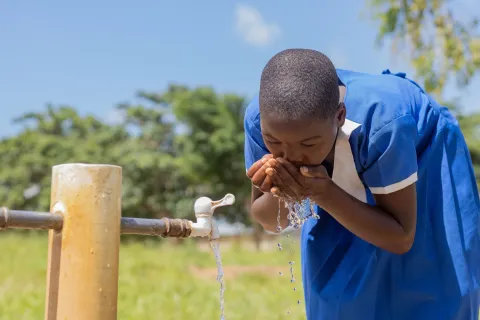
This year’s theme, Safe Toilets. Equal Futures reminds us why the answer matters. A safe toilet protects health and dignity. It helps children stay in school, patients receive safer care, workers remain productive and communities thrive.
Without safe toilets, clean water and good hygiene, preventable diseases spread. Children miss opportunities to learn, health facilities struggle to provide safe care, and families bear avoidable costs.
Malawi has already taken important steps. The Presidential WASH Compact and Executive Order No. 2 of 2026 demonstrate strong political commitment and recognise that safe water, toilets and hygiene are essential to national development.
Now comes the harder part: turning those commitments into results.
Policies, strategies and targets are in place. What matters is whether they translate into clean and safe schools, better health facilities, functioning public toilets and healthier communities.
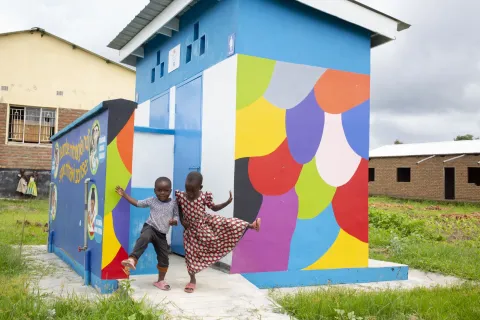
The situation is urgent. While just over half of households in Malawi have access to improved toilet facilities, only about 40 per cent have access to at least basic sanitation services, and access to basic hygiene services remains around 12 per cent. Nearly four out of five schools lack basic and adequate sanitation facilities, and a similar proportion of health facilities operate without basic sanitation.
Malawi faces economic pressures, competing development priorities and repeated climate shocks. But scarce resources make a focus on results more important, not less.
Every kwacha invested must count. Success is not measured by how many policies are launched, strategies written or meetings held. Success is what changes for the most vulnerable children and communities.
Can a child use a safe and private toilet at school? Can a patient receive treatment in a clean health facility? Can families live without waste contaminating their homes, water and neighbourhoods?
And we must look beyond simply building toilets. A toilet is only the beginning.
Waste must be safely contained, collected, transported and treated. A toilet that cannot be emptied safely is not a lasting solution. Neither is a septic tank that pollutes groundwater, nor waste dumped untreated elsewhere.
This is especially urgent in fast-growing cities such as Lilongwe, Blantyre, Mzuzu and Zomba. Building toilets without safely managing the waste simply moves the problem elsewhere.
The same ambition must extend beyond households. Safe, clean and accessible facilities belong in schools, health facilities, workplaces, markets, places of worship, bus terminals and government offices.
There is an economic opportunity too. Properly treated waste can become compost, soil conditioners and biogas. Businesses can play a bigger role in emptying septic tanks, transporting and treating waste, creating jobs while improving essential services.
Clean and accessible facilities can also support Malawi’s tourism ambitions. Keeping tourist destinations and public spaces clean, safe and welcoming benefits Malawians and visitors alike.
Most importantly, progress must include everyone.
Girls and women require facilities that support menstrual health and hygiene. People with disabilities must be able to use toilets safely and independently. Children, patients and health workers all deserve clean and safe facilities.
There can be no equal future when basic services leave people behind.
Investment in safe toilets and hygiene is therefore much more than an investment in sanitation. It is an investment in education, health, the environment, jobs, productivity and Malawi’s development.
This World Toilet Day, Malawi can rightly recognise its political leadership and clear commitments. But the question is no longer whether safe toilets and hygiene matter. It is whether our ambition will translate into visible improvements in schools, health facilities, workplaces and communities.
Ultimately, Malawi’s progress will not be measured by what we promise. It will be measured by what changes in people’s lives.
The author, Dr. Penelope Campbell, is the UNICEF Representative in Malawi.