Building climate-resilient water schemes to enhance child nutrition
The schemes provide uninterrupted clean water supply

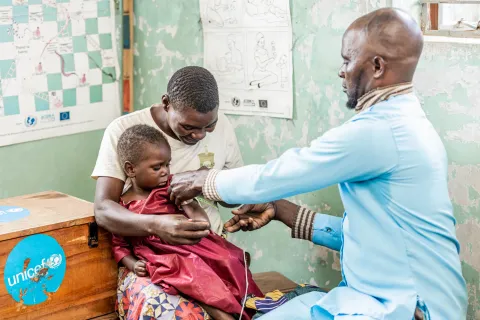
Situated in the rugged hills northeast of Dowa District in central Malawi, Nalunga is a remote community that once endured an eight-month breakdown in its water supply. The prolonged shortage triggered a cholera outbreak during the 2022–2023 season, affecting 11 people and claiming one life.
The crisis was linked to poor sanitation and reliance on unsafe water sources. “This is when people realised they were drinking unsafe water,” recalled Innocent Chunga, Senior Health Surveillance Assistant at Nalunga Health Centre.
For most of the year, boreholes dried up, leaving the community without reliable water. Even an emergency borehole drilled during the outbreak failed to meet demand. With only one functioning borehole serving the health facility, households and the local school, supply was quickly overwhelmed.
Nalunga’s steep, rocky terrain made drilling difficult, and boreholes often dryup during extended dry spells. These challenges undermined water, sanitation and hygiene (WASH) efforts and left the community vulnerable to waterborne diseases.
To address this, UNICEF, with funding from the German Government’s development bank KfW, supported Nalunga Health Centre to install a climate-resilient solar-powered water supply system which connects water to the health facility, Nalunga Primary School and surrounding three communities.

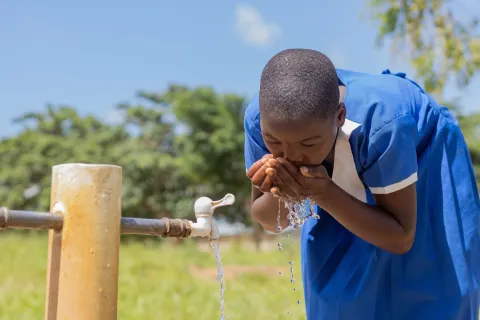
Today, the system provides uninterrupted clean water to the health centre, surrounding households, the local market, and Nalunga Primary School. The school has also established a backyard garden where pupils learn about nutrition, sanitation and environmental health through the sanitation club.
“Even we, as health workers, feel safer helping patients because we now use clean water to wash our hands. Our families are also protected,” said Chunga.
The benefits extend beyond safe water. Children are now shielded from diarrhoeal diseases that contribute to malnutrition. Malnutrition cases at the health centre, once averaging 12 per month, have now dropped to four.
So far, the UNICEF project has reached nearly 21,300 people through water schemes installed at four sites in Dowa and Lilongwe. The system at Nalunga Health Centre alone serves about 14,600 people, while similar schemes at Mbalame Primary School in Dowa, and Namulera and Tsachiti primary schools in Lilongwe benefit about 6,700 people.
To ensure sustainability, 48 water-user committee members have been trained in operation and maintenance. Four school and community gardens have also been established to strengthen local food systems.

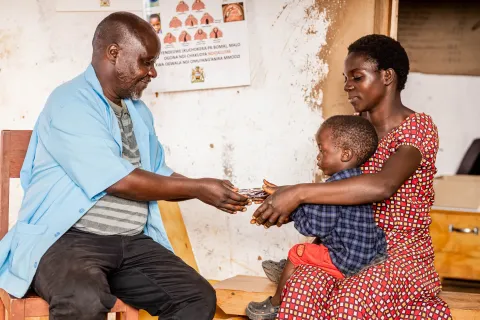
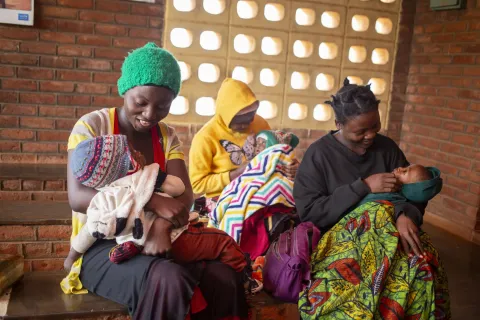
Community members testify to the transformation. Joyce Robert, caring for her expectant daughter at Nalunga Health Centre, recalled past hardships and appreciated the new water scheme.
“We walked long distances to fetch water. Sometimes the borehole was locked, and even mothers who had just given birth went without water. Now we come with confidence, knowing clean water is available.”
At Nalunga Primary School, pupils who once trekked for unsafe water are now focused on their studies. “The water is close to us now. We feel safe drinking it,” said 13-year-old Evaristance Kasondo.
Fellow learner Grey Maduka added, “We are learning how to grow diverse crops and eat balanced meals with all six food groups from the school gardens.”
At Mbalame Primary School in the district, a similar system benefits close to 1,800 learners, teachers and nearby community members.
The irrigated school garden is flourishing, and girls particularly appreciate uninterrupted access to safe water, which helps them manage menstrual hygiene with dignity.