Clean water and safe toilets: Transforming early childhood learning in Dedza
Safe water and sanitation giving young learners a healthier start

Every morning, as the sun rises over the rolling hills of Dedza District, five-year-old Lucky Panganani walks for 10 minutes hand in hand with her mother, Linda Esifatu, 30, to Makankhula Community-Based Child Care Centre (CBCC), located about 24 kilometres north of Dedza boma.
For Linda, this daily walk used to come with quiet worry.
“Before, I was always afraid,” she recalled.
“The toilets were few and dirty. There was no proper place for children to wash their hands. My child was always getting sick.”
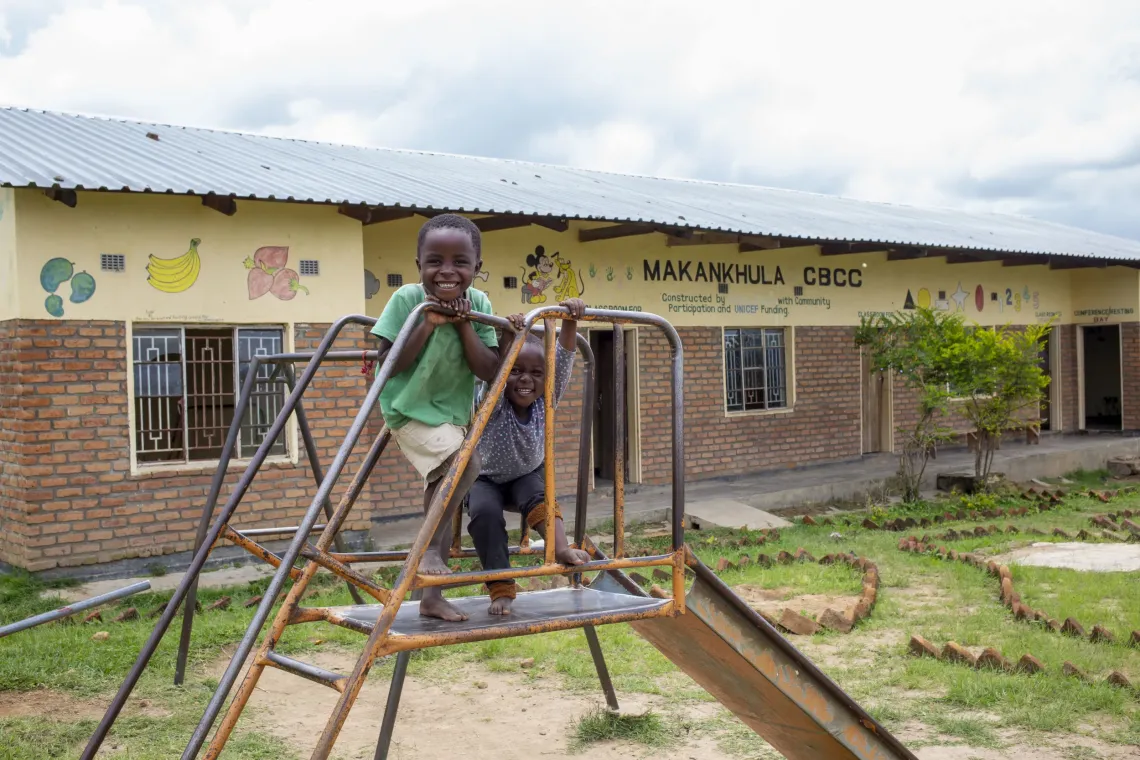
Until recently, the simple act of attending early childhood learning at Makankhula CBCC carried hidden risks. Poor sanitation, limited handwashing facilities, and long queues for toilets exposed young children to preventable diseases and frequent illness.
Water had to be fetched from a distant borehole, adding to the burden carried mostly by women and children. Today, things look very different.
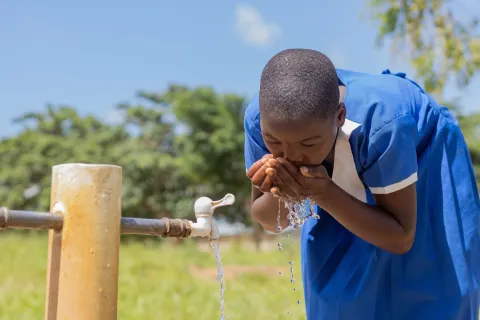
Lucky now arrives at a cleaner, safer centre where he can learn, play, and grow with confidence. He proudly washes his hands using tap water before joining his friends to sing, learn letters and numbers, or enjoy time on the seesaw.
“I like school because it is clean,” Lucky said with a shy smile. “I wash my hands at the tap, not from a bucket like before.”
Linda said the changes have given her peace of mind.
“I am no longer worried when my child comes here,” she said. “The toilets are clean, there is soap for handwashing, and my child is healthier and happier.”

Makankhula CBCC’s transformation reflects the growing impact of a UNICEF-supported intervention aimed at improving sanitation and hygiene in early childhood care centres and surrounding communities.
The project focuses on reducing waterborne diseases, strengthening hygiene practices, and restoring dignity for young children, caregivers, and families.
As part of the intervention, ventilated improved pit latrines were constructed at Makankhula CBCC, complete with handwashing facilities connected to tap water.
Aligned with Malawi’s 2025 Humanitarian Response Plan, the project strengthened coordination among humanitarian partners, district authorities, and community leaders to deliver life-saving services where they are needed most.
In Dedza District alone, more than 100 children aged three to five now benefit directly from improved sanitation facilities at Makankhula CBCC. The impact is already visible.
“These improvements mean children can learn in a clean and safe environment,” said Hopeson Banda, Head Caregiver at the centre.
“We have seen fewer cases of illness, and children are learning the importance of washing their hands from a very young age.”
Village Headman Makankhula, under Traditional Authority (TA) Kaphuka, remembers the challenges clearly.
“Before this project, we only had two toilets,” he explained.
“It was very difficult to keep them clean, and children had to queue for a long time. For water, they had to walk to the borehole.”
The new facilities have brought relief not only to children, but to the entire community.
“Now children have a safe place,” the village headman said. “We can also water the fruit trees we have planted here. This helps with nutrition for the children.”
Community involvement has been central to the project’s success. The CBCC coordinates with its management committee, parents, and local leaders to identify challenges and solutions.
“The committee comes regularly to check on the centre. Problems are raised by caregivers, teachers, and sometimes even by the children themselves,” the Village Headman added.

Makankhula CBCC is tuition-free, ensuring access for the most vulnerable children. While some parents initially hesitated to enrol their children, community leaders and caregivers continue to engage them through dialogue and awareness.
“Yes, there are some parents who don’t bring their children. But we sit them down and encourage them. We explain why early learning is important,” Makankhula said.
Support for the centre comes from collective community effort, where parents and chiefs meet and discuss what is needed.
At the district level, the intervention fits into a broader vision for early childhood development and WASH services.
Harry Chisanga, Dedza District Water and Sanitation Officer said the project is well aligned with the District’s Early Childhood Development (ECD) and WASH plans.
“We have strong plans to develop ECD centres and ensure WASH facilities are available and functioning,” said Harry.
Dedza District has approximately 350 ECD centres, and lessons from Makankhula are already shaping expansion efforts.
“We have already started replicating the model. Our goal is to reach more communities.” Chisanga explained.
The project has also strengthened disaster preparedness and response.
“It helps us prepare for emergencies,” the village headman said. “We work with partners who provide chlorine for water treatment. We thank UNICEF for continuing to partner with us in implementing our plans.”
At Makankhula CBCC, water is more than a resource, it is a foundation for health, dignity, learning, and hope.
“When my child is well, I can give my full attention to my work. Having safe water and proper toilets has transformed our world,” Linda said.