New dawn for children in Nkhata Bay
Closer nutrition services bring transformation

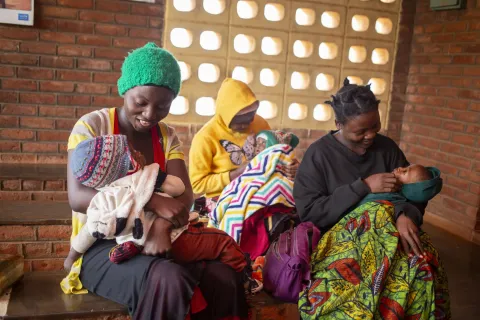
It is early morning in Songowele Village. After a night of heavy rain, the ground is slick with mud, but women are already making their way to Chapita Village Clinic for the under‑five clinic.
Among them is Lizzie Nyirenda, carrying her twins—one on her back, the other in her arms—as she carefully navigates the slippery path.
Several kilometres away near Chintheche, another mother, Matilda Banda, is also on the move. She is heading to Bandawe Village Clinic with her one-year-old daughter, Edripher, tied securely on her back.
Though they live far apart, the two women share a painful past: both once watched their children slip into severe wasting, a form of malnutrition characterized by low weight for height. And both have now found lifesaving care closer to home than ever before.
For years, caregivers in remote parts of Nkhata Bay District had to travel long distances to access nutrition services. Poor roads, transport costs and competing household demands often meant delayed treatment—or none at all.

For Nyirenda, seeking help once meant travelling to Chikwina Health Centre over rugged terrain, weighed down by worry and limited resources. Today, the terrain has not changed, but the health system has.
Nkhata Bay is experiencing a quiet transformation. Lifesaving care for malnourished children has been brought to the doorstep through the integration of Community-based Management of Acute Malnutrition (CMAM) into Integrated Community Case Management (ICCM) services at village clinics. The aim is simple but profound: reach every child, no matter how remote their home.
Supported by UNICEF — with funding from the Children’s Investment Fund Foundation (CIFF) — the Child Wasting Innovations Programme (CWIP) is equipping frontline health workers with the mentorship, supervision and essential supplies they need to manage severe wasting right within their communities.
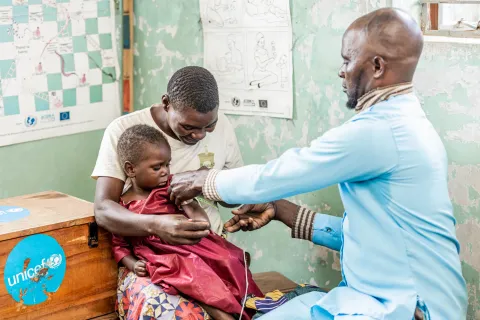
At Chapita Village Clinic, ICCM provider Shupekile Mhango has seen the transformation firsthand, as more children receive timely, life‑saving care close to home.
“In the past, we treated the immediate illness and referred malnutrition cases to Chikwina. Some caregivers went, others didn’t. After integration, we deal with everything here,” she says.

Health workers are now equipped to identify, treat and monitor severe wasting using mid-upper arm circumference (MUAC) tapes and ready-to-use therapeutic food (RUTF) right at the village clinic.
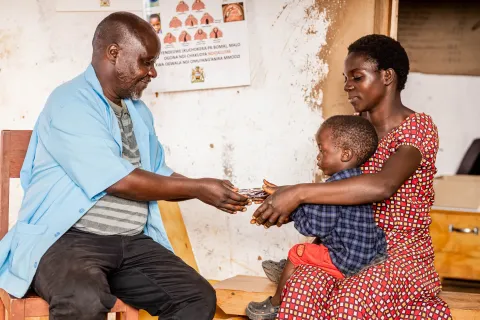
Children diagnosed with severe wasting are treated at the village clinic, with follow-ups conducted within days. Cluster leaders support by visiting households to ensure correct RUTF use and reinforce nutrition and hygiene practices.
This timely care made all the difference for Nyirenda. In September 2025, she noticed one of her twins was losing weight. At the village clinic, he was immediately enrolled in the CMAM programme.
“In the past, I would not have accessed RUTF at Chapita Village Clinic. It would have taken time to travel to Chikwina Health Centre,” she says.
With treatment, counseling and regular follow-ups, her son steadily recovered. She also learned to prepare diverse meals using local foods and to maintain good sanitation.
At Bandawe Village Clinic, Matilda Banda recounts her own ordeal. Her daughter had once been critically ill, admitted on oxygen at Nkhata Bay District Hospital. The hospital stay drained the family’s limited finances, and even after discharge, the child continued to waste, at one point weighing just 2.4 kilogrammes.
It was only when Matilda sought help at her nearby village clinic that her daughter began to improve through consistent nutrition treatment.

Health Surveillance Assistants (HSAs) such as Dingase Zimba and Lowland Jere say the integration has strengthened their confidence and effectiveness. With continued mentorship and supervision, reliable RUTF supplies and support from community structures, they are detecting cases earlier and following them up more consistently.
“The numbers are going down. We only have a few severe wasting cases now compared to before,” says Zimba.
Challenges persist, especially reaching migrant farming families during the rainy season when roads become impassable. Yet the consensus is clear: integration has been a lifeline. “People now access all the treatment at the same clinic,” says Jere.
Community health promoters and village clinic committees have become vital links, conducting door-to-door nutrition screening, cooking demonstrations, backyard gardening and care group sessions to prevent relapses and address root causes of malnutrition.
As the morning clinics wind down and mothers begin their journeys home, the change in Nkhata Bay is unmistakable. By bringing nutrition care closer to where families live, community-based services are not only saving children’s lives—they are restoring hope.