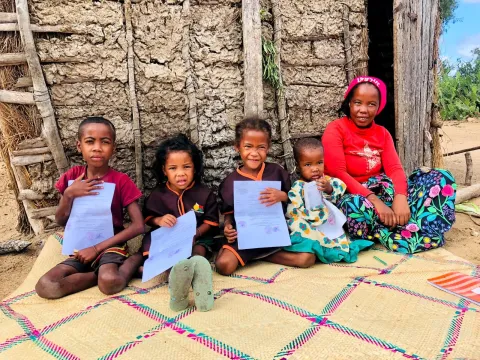
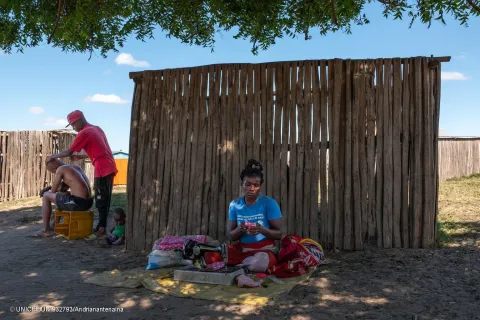
The Shock-Responsive Social Protection programme helps families recover after disasters
Following the cyclones that hit the south of the country in early 2025, the Zara Mira programme shifted to a shock-responsive social protection initiative to support vulnerable households in Ampanihy.
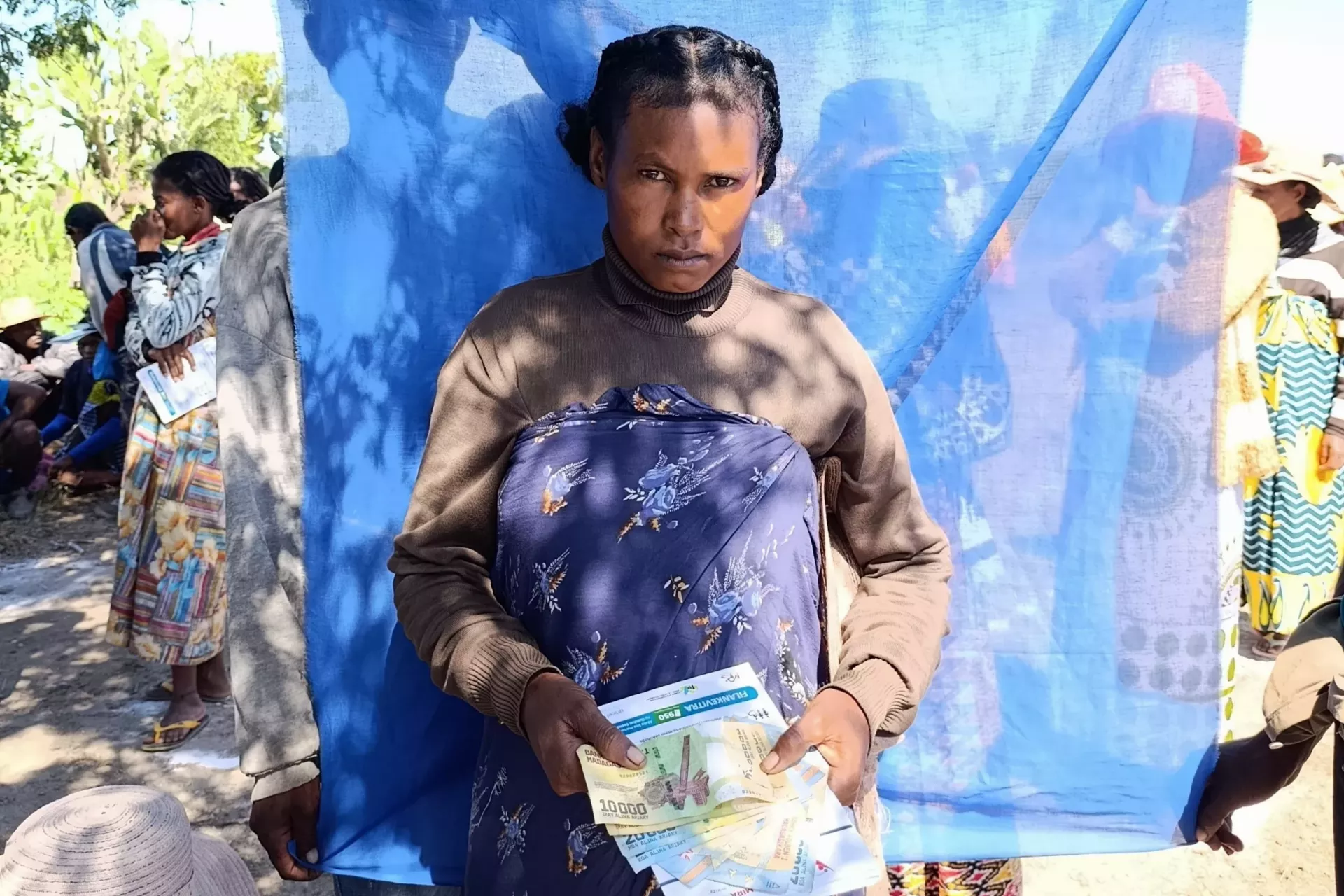
Filiane, a 33-year-old mother of seven, lives in the village of Tsiasimo in southern Madagascar. As a beneficiary of the Zara Mira universal child allowance programme, she has been receiving a monthly allowance of 10,000 Ariary (2.2 USD) per child since the programme started in her district in April 2024. Filiane says that the allowance enables her to meet her children's basic needs, such as schooling, food and clothing. She has also benefited from several capacity-building activities as part of the additional support measures.
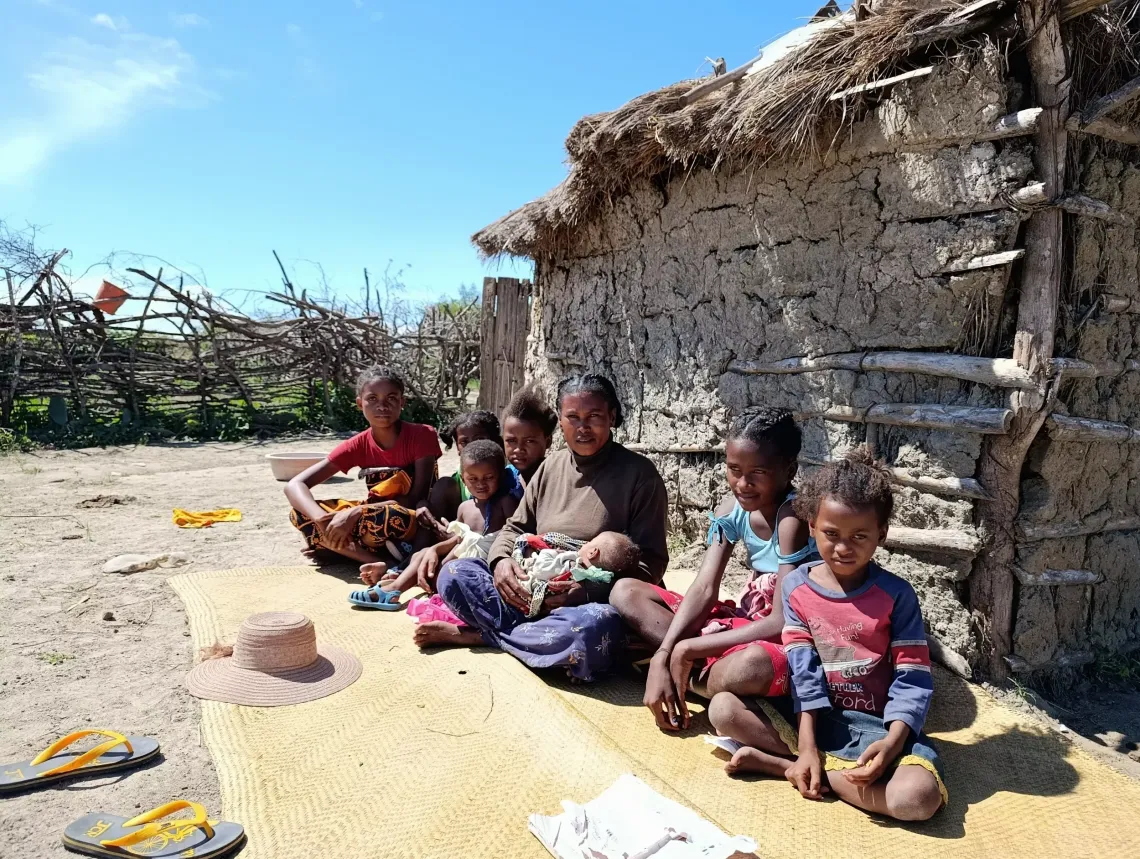
“On top of the financial assistance, I have received several training courses on setting up income-generating activities. I have even joined a community savings group that we established with my neighbours. I have also benefited from training on improving agricultural practices, which I have since applied to my own fields,” she explains.
Unfortunately, after the last two cyclones Honde and Jude in March 2025, Filiane and her family found themselves in a vulnerable situation following the destruction and flooding of their corn and cowpea fields, as well as other legumes, whose harvests were supposed to provide food until the next season. In addition to the agricultural damage, the floods also destroyed their home and the children's school supplies. “We had hoped that the cyclones would bring rain to allow us to sow more, but unfortunately, the situation is the exact opposite. We have no crops left to harvest this season; all our maize and cowpea plantations have been devastated by the strong winds. Even the vegetable garden I planted in our yard was destroyed by the floods. In addition, the livestock did not survive the rising water levels, and I was forced to quickly sell those that were still alive. In the end, when we realized the extent of our loss, my husband decided to go away to find work elsewhere in order to support our family.”
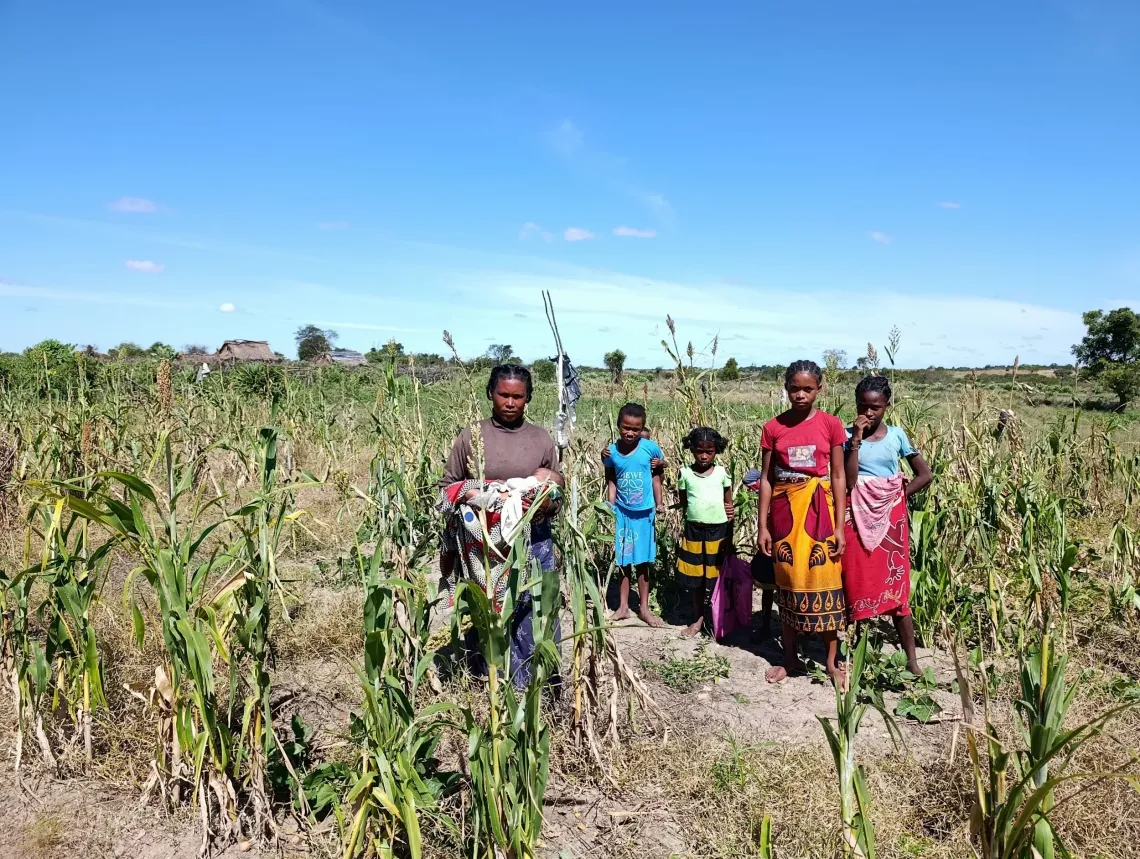
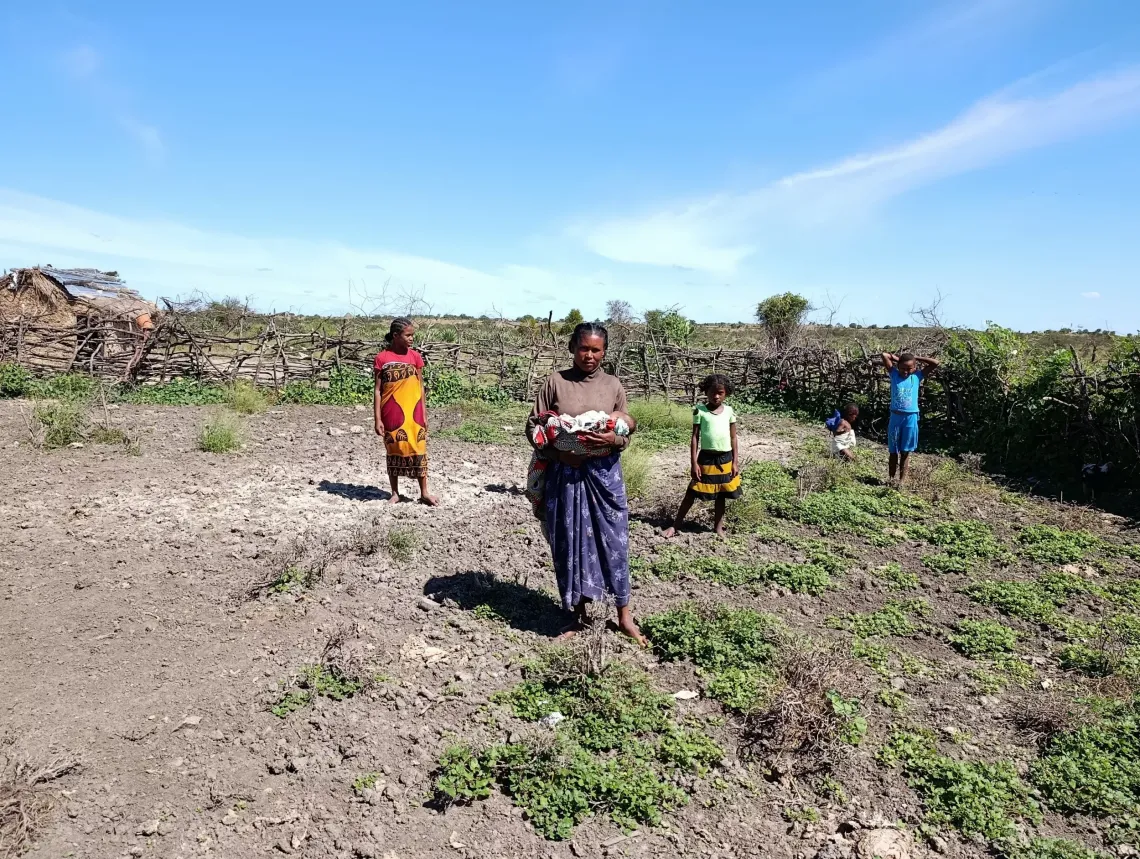
To support households during this crisis, the regular Zara Mira programme shifted to a shock-responsive social protection programme, providing each beneficiary household with a monthly allowance of 120,000 Ariary (26 USD) for two months. The shock-responsive social protection component is activated in times of crises to help households cope with extreme weather events such as cyclones, drought, etc. Payments are made monthly and are the same amount for all households.
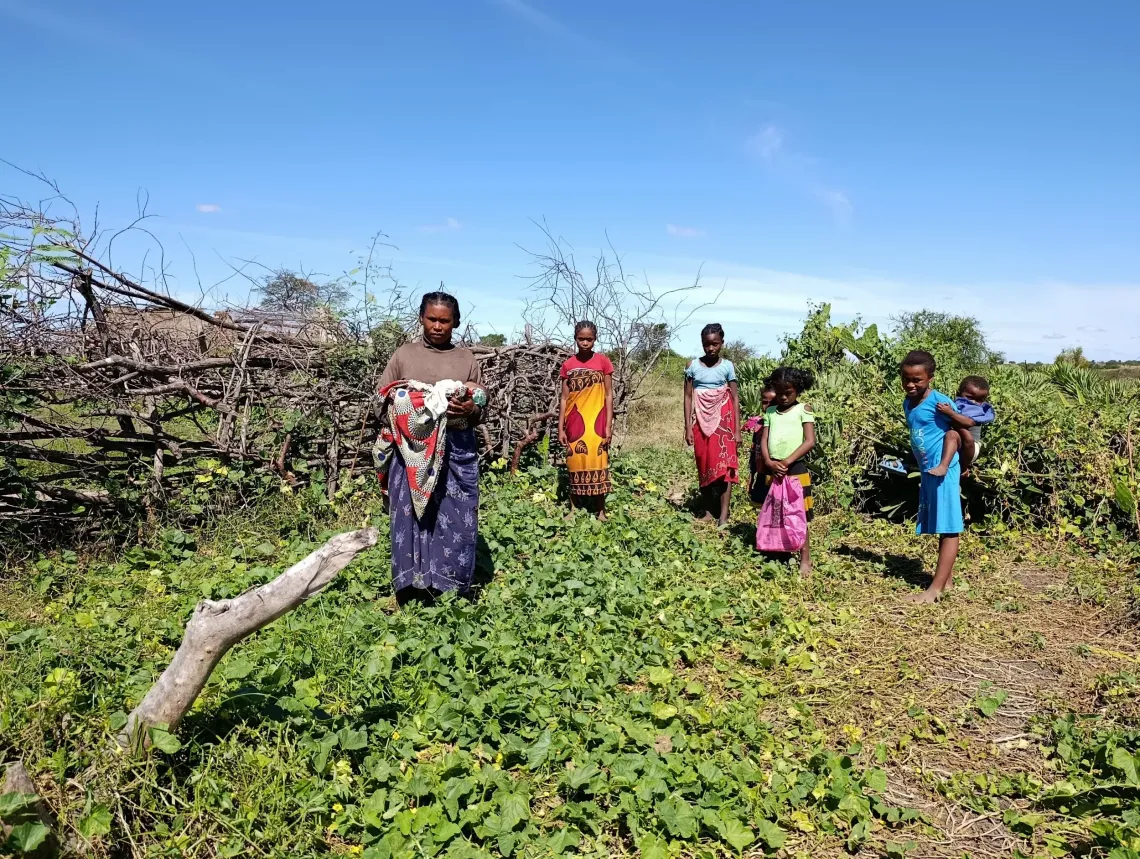
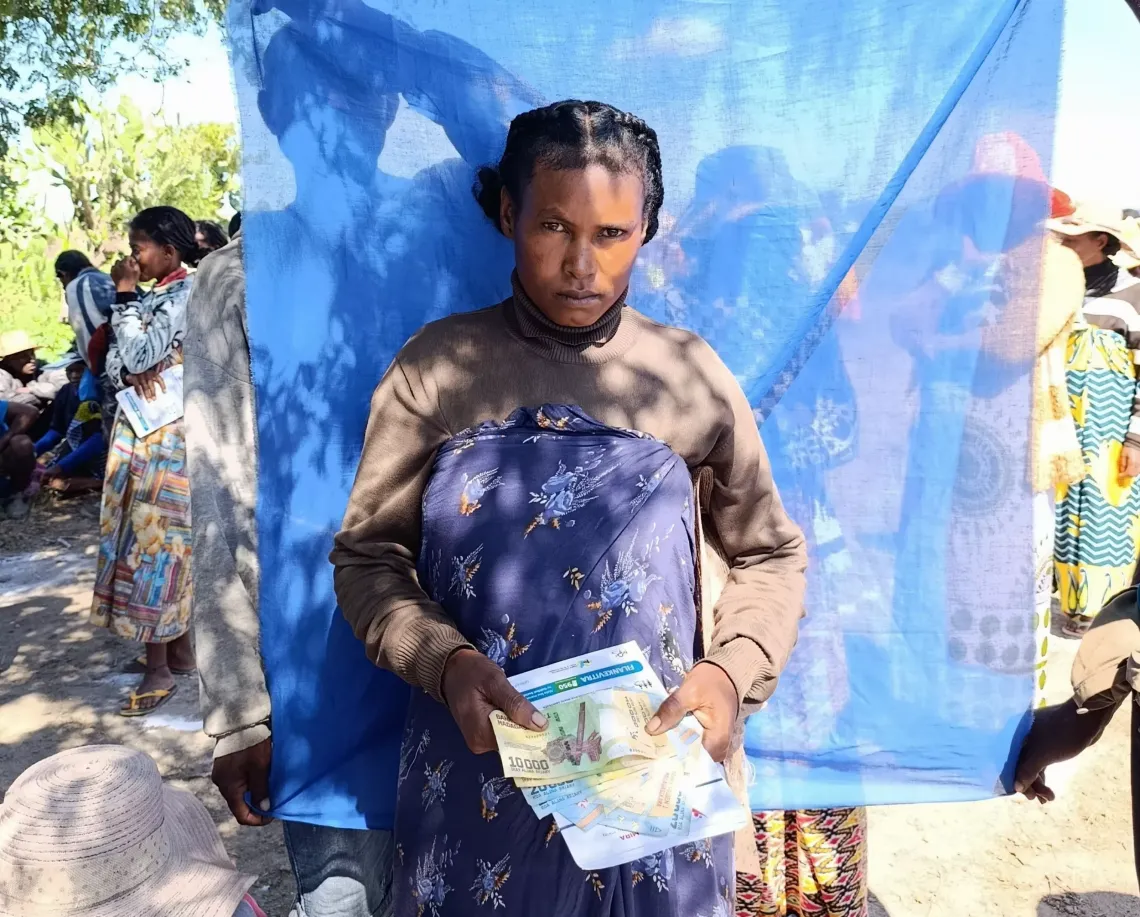
“My priority is to buy school supplies for my children so they can go back to school. I didn't have the chance to go to school when I was a child, and I don't want my children to have the same experience. I will use the rest to buy seeds to catch up with the growing season and to buy food to supplement whatever I can harvest from the fields,” says Filiane.
In the district of Ampanihy, the Zara Mira programme has more than 14,000 beneficiary households, which are the same households that will benefit from the shock-responsive social protection programme. The programme covers four municipalities (Itampolo, Ankilizato, Maniry, Ankilimivory), including 6,000 households supported by the German bank KFW and 8,000 households by the Irish government's IRISHAID programme, comprising a total of 45,000 children and 600 pregnant women.