Liberia Takes a Breath of Fresh Air
National Oxygen Quantification Exercise Paves the Way for Stronger Healthcare

Imagine a child battling pneumonia in a rural Liberian clinic. Their struggle for breath could be a matter of life and death. But what if a lack of oxygen supplies meant the clinic couldn't provide the lifesaving treatment they needed?
This was a harsh reality facing Liberia's healthcare system. Thankfully, the tide is turning. The Ministry of Health's Oxygen Technical Working Group, with UNICEF's essential support, has completed a ground-breaking National Oxygen Quantification Exercise for 2023. This initiative is a breath of fresh air for Liberia, ensuring all citizens, including children, have access to medical oxygen – an essential drug as crucial as any medication.
"The urgent need to improve our healthcare infrastructure, especially after battling health crises like Ebola and COVID-19, inspired this exercise," says Mark Luke, head of the Oxygen Technical Working Group (TWG) and Director of Emergency Medical Response (EMR).
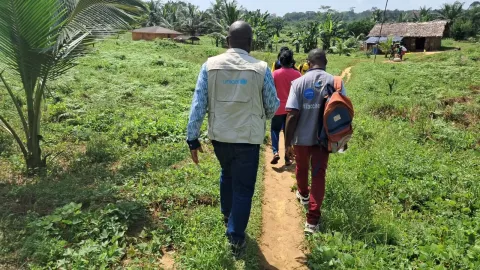
The quantification exercise went beyond simply counting oxygen tanks. It meticulously assessed medical oxygen supply and demand across all 15 counties of Liberia. Trained enumerators, equipped with the skills gained through a three-day UNICEF-funded program, ventured into challenging terrain and navigated complex political environments to collect comprehensive data on existing equipment and identify critical gaps.
"UNICEF's training and technical expertise were lifesavers," says Mr. Luke. "They alleviated my concerns about the impact of elections and the enumerators' ability to gather accurate data."
The exercise revealed a surprising truth: significant disparities in oxygen access existed between healthcare facilities. Some clinics were well-equipped, while others lacked the basic infrastructure to provide oxygen therapy. This highlighted the critical need to invest in oxygen infrastructure and training for healthcare workers, especially those serving in remote areas.
"The data on access variability surprised us," says Mr.Luke. "It emphasizes the importance of addressing these disparities to ensure all Liberians, regardless of location, can receive the care they need."
These valuable insights will significantly influence Liberia's healthcare policies and resource allocation. By bridging the identified gaps and enhancing the capacity for oxygen therapy, Liberia can ensure more efficient resource allocation and implement targeted interventions to strengthen its healthcare system.
Mr.Luke envisions a future where every child in Liberia breathes easy, knowing their local clinic has the oxygen supplies and trained staff to provide critical care. This vision, he believes, can be achieved through continued collaboration with international organizations like UNICEF. Together, they can ensure every breath counts in Liberia.