UNICEF, Ministry of Health mark World Breastfeeding Week
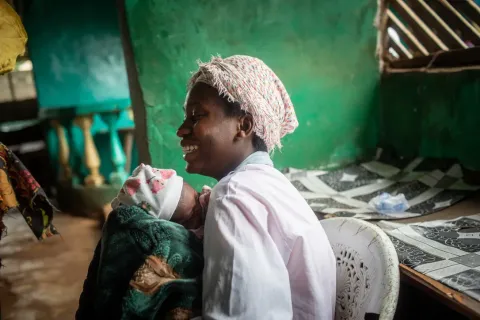
Monrovia, Liberia (04 August 2025) – UNICEF Liberia, in collaboration with the Ministry of Health, joins the global community in commemorating World Breastfeeding Week, observed annually from 01-07 August. This year’s theme, “Prioritize Breastfeeding: Create Sustainable Support Systems,” underscores the urgent need to strengthen support for breastfeeding at all levels of society.
Despite its proven benefits, breastfeeding rates remain alarmingly low worldwide. Globally, only 48% of infants under six months are exclusively breastfed and 46% newborns started breast feeding within the first hour of life, as per UNICEF Division of Data, Analysis, Planning and Monitoring (2024). A joint statement by the UNICEF Executive Director and the World Health Organization (WHO) Director General in 2024 mentioned that improved breastfeeding rates could save over 820,000 children’s lives each year emphasizing the importance of breastfeeding.
UNICEF and WHO recommend initiating breastfeeding within one hour of birth and continuing exclusive breastfeeding for the first six months. After six months, children should receive safe, diverse complementary foods while continuing breastfeeding up to two years or beyond.
In Liberia, malnutrition remains a critical challenge. As per 2024 Global Sustainable Development Goals (SDG) database, 27% of children under five were moderately or severely stunted—a rate classified as “very high” by WHO standards.
However, 45% of Liberian infants under six months are not exclusively breastfed (LDHS 2019-20). Many receive water, other liquids, or complementary foods prematurely, increasing their risk of diarrheal diseases and malnutrition.
Breastmilk provides 100% of the nutrients and 88% of the water needed by infants under six months. It contains vital antibodies that protect against diseases like diarrhea and pneumonia, making it a safe, nutritious, and sustainable source of nourishment.
“But it takes a village to improve these numbers. Sustainable support systems mean mothers get the help they need, when they need it, wherever they are – whether at work, home or in their community. This includes skilled counselling from trained, empathetic health workers throughout their breastfeeding journey, workplace policies that protect their right to breastfeed, and community networks that provide ongoing support,” said UNICEF Liberia Deputy Representative for Programmes, Amadou Alassane Cisse.
He added that “when these elements work together across all levels of healthcare, they create a safety net that ensures no mother has to navigate breastfeeding challenges alone.”
UNICEF and the Ministry of Health urge all stakeholders—from families and communities to policymakers and development partners—to recognize breastfeeding as a shared responsibility, encouraging everyone to:
- Build strong systems for skilled breastfeeding counseling.
- Raise awareness about the risks of artificial feeding and the benefits of breastfeeding.
- Strengthen family and community support, including male engagement.
- Advocate for parent-friendly workplaces and educate mothers on safe breastmilk expression and storage.
- Finalize and enforce the National Code of Marketing of Breastmilk Substitutes to protect and promote breastfeeding.
Every day of delay means more children miss out on the lifelong benefits of breastfeeding that only comprehensive, sustainable support can provide.
In Liberia, malnutrition remains a critical challenge. As per 2024 Global Sustainable Development Goals (SDG) database, 27% of children under five were moderately or severely stunted—a rate classified as “very high” by WHO standards.
Media contacts
About UNICEF
UNICEF promotes the rights and wellbeing of every child, in everything we do. Together with our partners, we work in 190 countries and territories to translate that commitment into practical action, focusing special effort on reaching the most vulnerable and excluded children, to the benefit of all children, everywhere.
For more information about UNICEF and its work for children, visit www.unicef.org.