Transforming Education: Lebanon's STEM “Science, technology, engineering, and mathematics” Program U
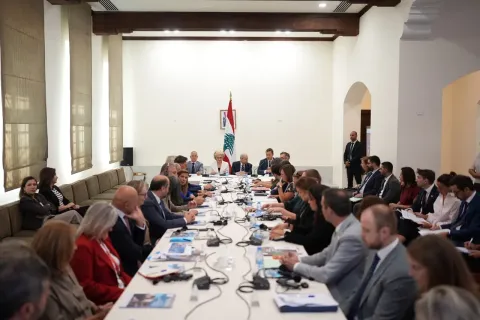
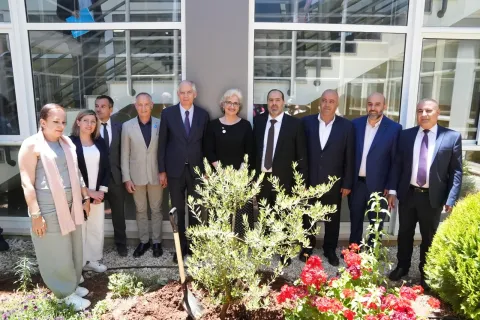
Funded by the German Government, through the KfW Development Bank, in partnership with Ministry of Education and Higher Education and UNICEF, this initiative is equipping Lebanese adolescents with essential STEM skills
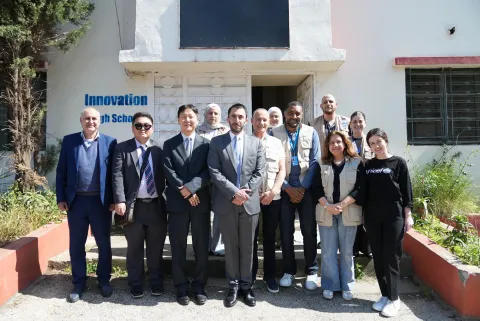
The German Government, through the KfW Development Bank, and in collaboration with the Ministry of Education and Higher Education (MEHE) and UNICEF, has launched a STEM Training Program across 25 public schools in Lebanon. This strategic initiative aims to equip adolescent girls and boys with foundational skills in Science, Technology, Engineering, and Mathematics (STEM), improving learning outcomes in math and sciences and sparking their interest for tech related jobs, with a particular intention of addressing the gender digital divide and empowering adolescent girls with STEM skills
Over 3,200 students from grades 6 to 9 are participating in the programme in weekly tech training sessions. These sessions are designed to enhance their coding skills. In addition, the initiative actively encourages the participation of girls in STEM fields, addressing gender disparities and promoting inclusion of girls in these critical fields.
A key programme objective is to introduce students to coding, robotics, problem-solving, critical and creative thinking.
In response to the growing technological demands of the global economy, this program aims to equip young girls and boys with essential skills and competencies for future career opportunities, encouraging as well the active participation and leadership of girls in these fields.
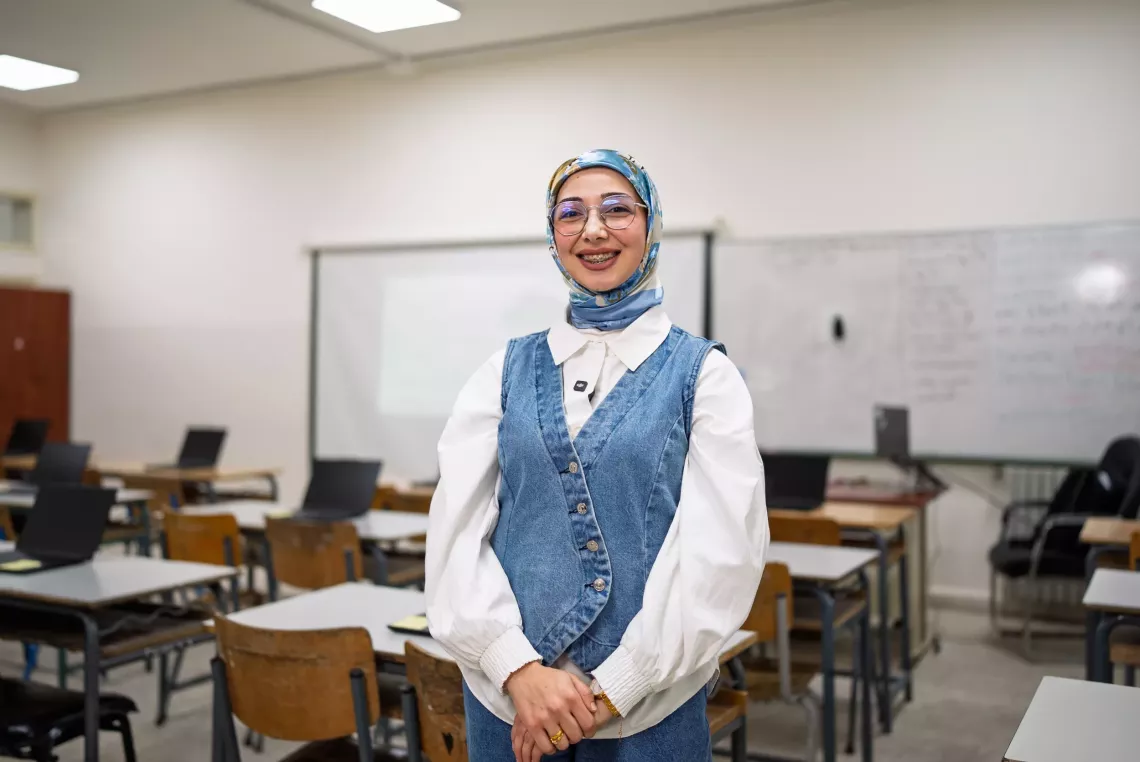
This training programmeis highly successful. Such exposure has provided them with knowledge that was previously inaccessible, fostering significant interest.
Alaa Taleb, a teacher at Al Beddawi Intermediary School for Girls, highlighted the program's positive impact. "This training programmeis highly successful. Participants have been acquiring valuable STEM skills, including practical knowledge in programs like Scratch, Micro:bit, and agricultural technology. Such exposure has provided them with knowledge that was previously inaccessible, fostering significant interest. The program's impact extends beyond the classroom, with students actively discussing their experiences and generating enthusiasm among peers and family members."
She further noted the students' keen interest in emerging technologies: "The students demonstrated significant engagement with artificial intelligence and coding concepts. The knowledge gained has been substantial, and they express a strong desire for continued learning in these areas."
Student testimonials also highlight the program's effectiveness. Amira shared, "This program has been incredibly informative. We have learned to code games and utilize various coding platforms, including the Scratch application. This experience has inspired me to consider pursuing higher education in technology, with a specific interest in Artificial Intelligence."


Lamar echoed this sentiment, stating, "Through this program, I have gained valuable coding skills using Scratch to develop games. I am very excited about the opportunity to learn about AI and coding. If I pursue a career in technology, I believe this program has provided me with essential foundational knowledge. I am eager to participate in advanced sessions next year to deepen my skills."
Mohammad highlighted the program's diverse offerings, "I gained knowledge about an agricultural technology program that facilitates the measurement of temperature and humidity. In this increasingly technological era, understanding these applications is highly beneficial. I am pleased to witness these positive developments within our school's curriculum."
Tala emphasized the integrated learning approach, "The program focuses on coding, but my English language skills have also improved as a result. It was challenging at first due to my limited English proficiency, but I am very grateful for this learning opportunity."


In conclusion, this STEM Training Program in Lebanon funded by the German Government, through the KfW Development Bank, and implemented in partnership the MEHE and Code Brave represents a strategic investment in Lebanon’s youth, nurturing essential skills, inspiring future innovators, and empowering girls and boys, to actively contribute to the evolving technological landscape. The program's success extends beyond the acquisition of foundational technical knowledge and skills; it also cultivates innovation, critical thinking, builds confidence, and opens pathways to promising career opportunities.