UNICEF Executive Director calls for children to be protected and placed at the heart of Lebanon’s recovery
- English
- العربية
Beirut/New York, 2 October 2026 – UNICEF Executive Director Catherine Russell concluded a visit to Lebanon today, calling for urgent action to protect children from the ongoing impact of conflict and economic crisis and to place their rights and needs at the centre of the country’s recovery.
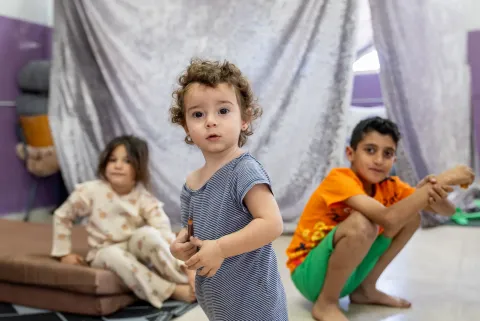
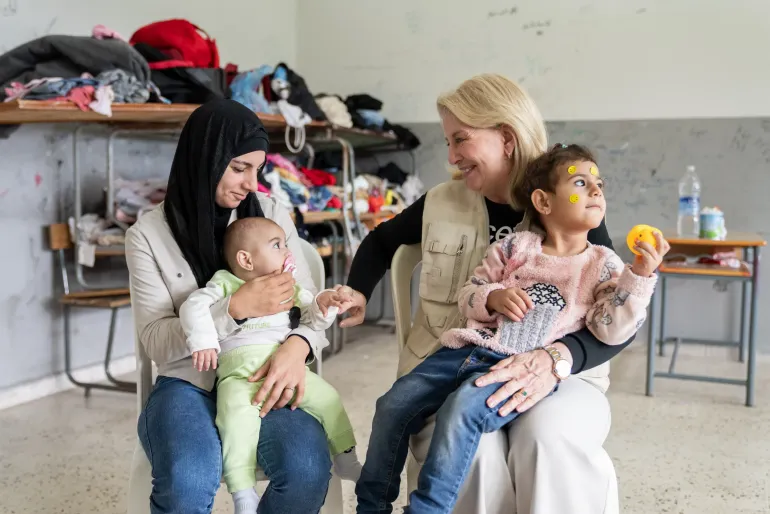
Russell visited southern Lebanon and Beirut, and met children and families whose lives have been upended by violence and displacement. At a collective shelter in Tyre, she met families who had fled their homes, some more than once, including a mother caring for her newborn. She also spoke with children whose homes and schools have been damaged or destroyed, and who remain unsure of when they will be able to return.
“Economic hardship and the impact of conflict continue to devastate the lives of children and families in Lebanon,” said Russell. “Children in Lebanon have lived through years of overlapping crises. They cannot afford to lose more of their childhood. Investing in children is the best road to recovery.”
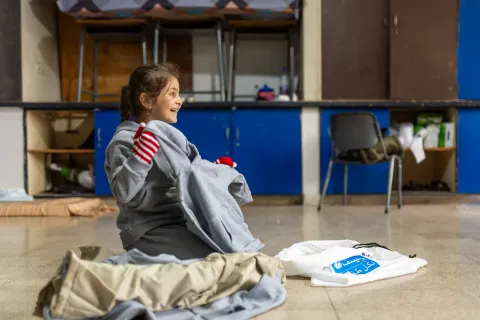
Russell visited a UNICEF-supported Makani centre, where she met children and young people accessing learning, psychosocial support and other services that are helping them cope with the ongoing crisis.
The recent conflict has had a devastating impact on children. Since 2 March, 2026, at least 261 children have been killed and 1,056 injured. Some 436 schools have been damaged or destroyed, leaving around 100,000 children at risk of being without a classroom.
In Beirut, Russell met with H.E. President Joseph Aoun, Prime Minister Dr. Nawaf Salam and the Minister of Social Affairs, Haneen Sayed. Discussions focused on the situation of children and ensuring that children are healthy, educated and protected.
UNICEF continues to work alongside the Government of Lebanon and partners to respond to urgent humanitarian needs while sustaining the national systems and services children depend on.
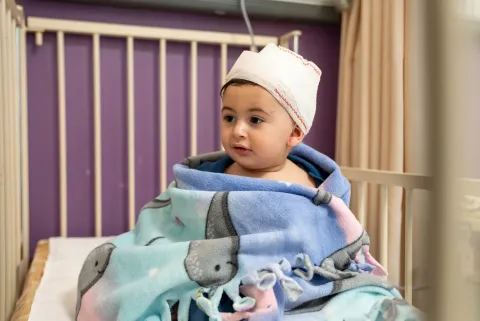
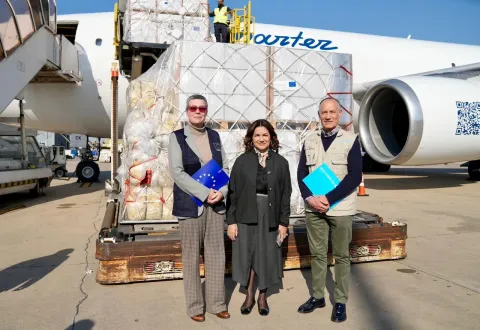
Since the beginning of 2026, UNICEF has intensified its humanitarian response. That includes supporting injured children and displaced families and delivering essential supplies to shelters and health facilities. UNICEF is also helping children access learning and psychosocial support.
About UNICEF
UNICEF works in some of the world’s toughest places, to reach the world’s most disadvantaged children. Across 190 countries and territories, we work for every child, everywhere, to build a better world for everyone. For more information about UNICEF and its work for children visit www.unicef.org/lebanon/.
Follow UNICEF Lebanon on Facebook, X, Instagram, LinkedIn, YouTube and TikTok.