COVID-19: What UNICEF is doing in Latin America and the Caribbean
Delivering vital supplies to affected countries in the region

- Español
- English
A medida que la pandemia por la COVID-19 continúa extendiéndose por América Latina y el Caribe, UNICEF está incrementando las donaciones de implementos de salud, higiene y educación para familias y trabajadores de la salud en países de afectados por la pandemia.
⚡️ #COVIDー19: UNICEF aumenta la entrega de suministros de salud en América Latina y el Caribe por @uniceflac: https://t.co/X7ytS3Mlhi
Over the past three weeks, UNICEF has donated an increasing number of health, hygiene and education supplies to government institutions or families in countries across the region.


Items locally procured and distributed included hand sanitizer, soap, water supplies and personal protective equipment (PPE) as well as masks, gowns, gloves, disposable face shields, goggles and coveralls, among others.


Two weeks ago, UNICEF´s largest humanitarian shipment landed in Caracas, Venezuela with approximately 90 tonnes of critical health supplies, including PPE kits to enable identification of 28,000 suspected COVID-19 patients, emergency kits for 110,000 people to treat COVID-19 patients with severe respiratory problems.


Despite extreme market conditions and logistical constraints, UNICEF is planning to ship about 52 tonnes of vital supplies to be distributed in the coming weeks and months in Latin America and the Caribbean for the COVID-19 response.
In addition to the international shipments, UNICEF offices in the region are also searching for and procuring critical supplies in local markets to support domestic economies.


“This pandemic is a moving target; needs are now growing day by day in each country across the region. Both globally and locally, our teams are searching for hygiene products and personal protective equipment to reach families and health workers with essential supplies as soon as possible.”

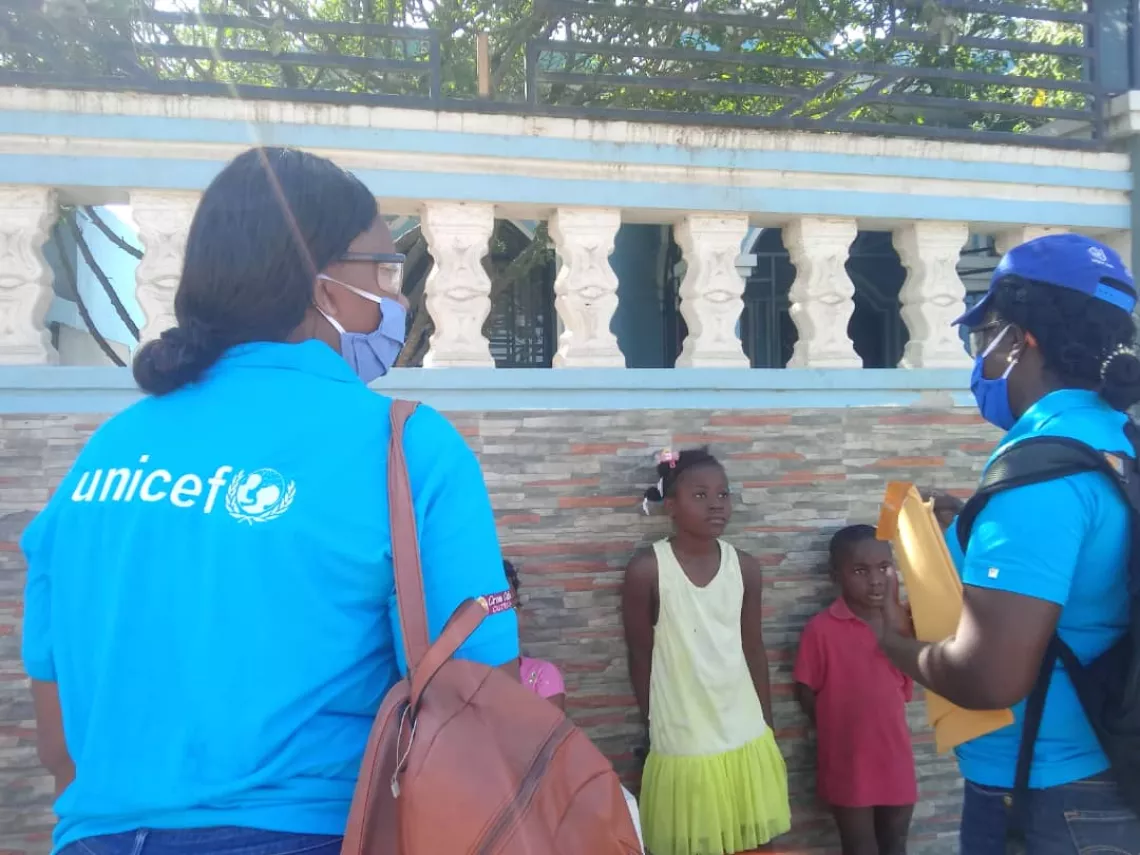
Together with the World Health Organization (WHO) and other UN agencies, governments and local partners, UNICEF is at the forefront of the fight against COVID-19 through preventative actions in affected countries, including dissemination of life-saving messaging campaigns and provision of hygiene and medical kits to health and other facilities.

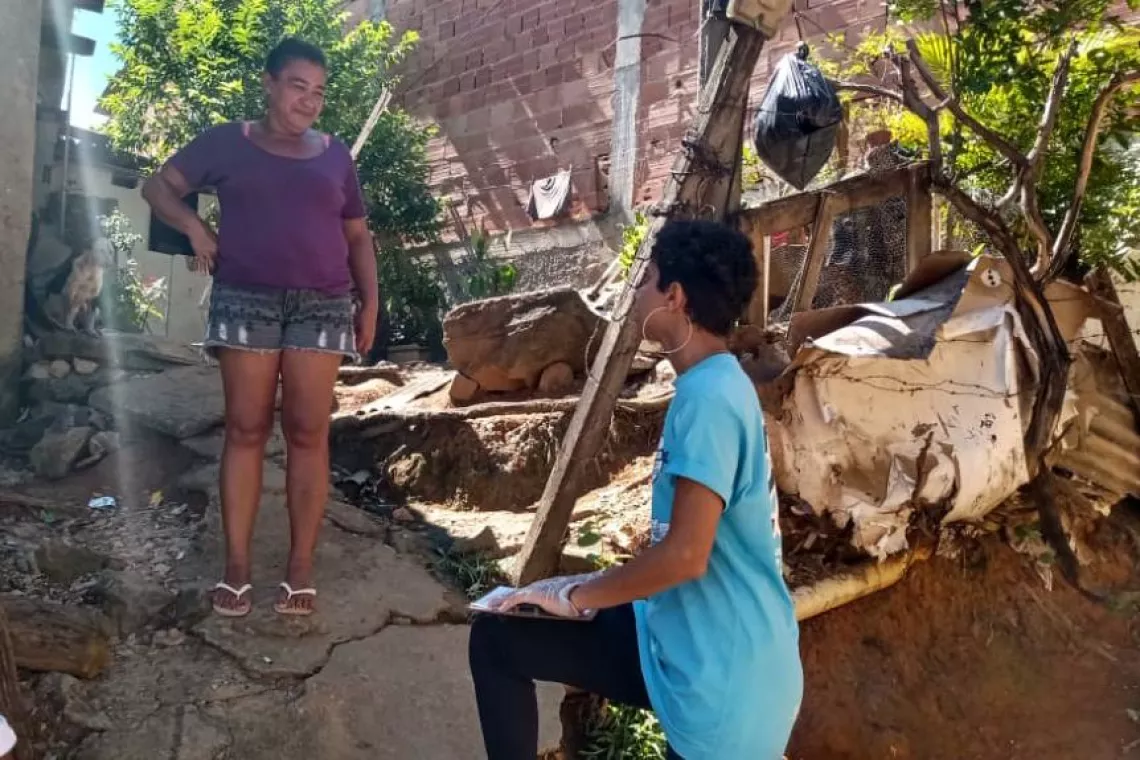
As part of the United Nations coordinated response to COVID-19, UNICEF is contributing to curb the spread of the pandemic and mitigate collateral impacts for children, women and vulnerable families, including the risks of essential social services being disrupted.


Earlier this year UNICEF appealed for US$48 million to support its emergency response in the region. So far, less than 15 per cent of the required funding has been received.