Digital and STEM skills for girls
Making the leap to better opportunities in Latin America and the Caribbean

- Español
- English
In the 21st century, employment trends will revolve around science, technology, engineering, and mathematics (STEM) disciplines, widely anchored within the realm of digital transformation; a shift driven by the fact that an estimated 90% of global jobs will demand proficiency in digital skills. This is particularly worrying for the female population, especially girls and adolescent women, given the statistics revealing that in Latin America and the Caribbean, women comprise less than 30% of graduates in STEM fields.
The gender gap in STEM is linked with societal gender norms and stereotypes that impact girls' educational opportunities and academic performance. Such norms exert a powerful influence, driving gender segregation between fields and encouraging girls to adhere to disciplines that have been traditionally considered “feminine”. Consequently, this restricts the opportunities for adolescent girls to pursue high-quality employment and hampers their capacity to adapt to ongoing transformations and technological advancements in the labor market.
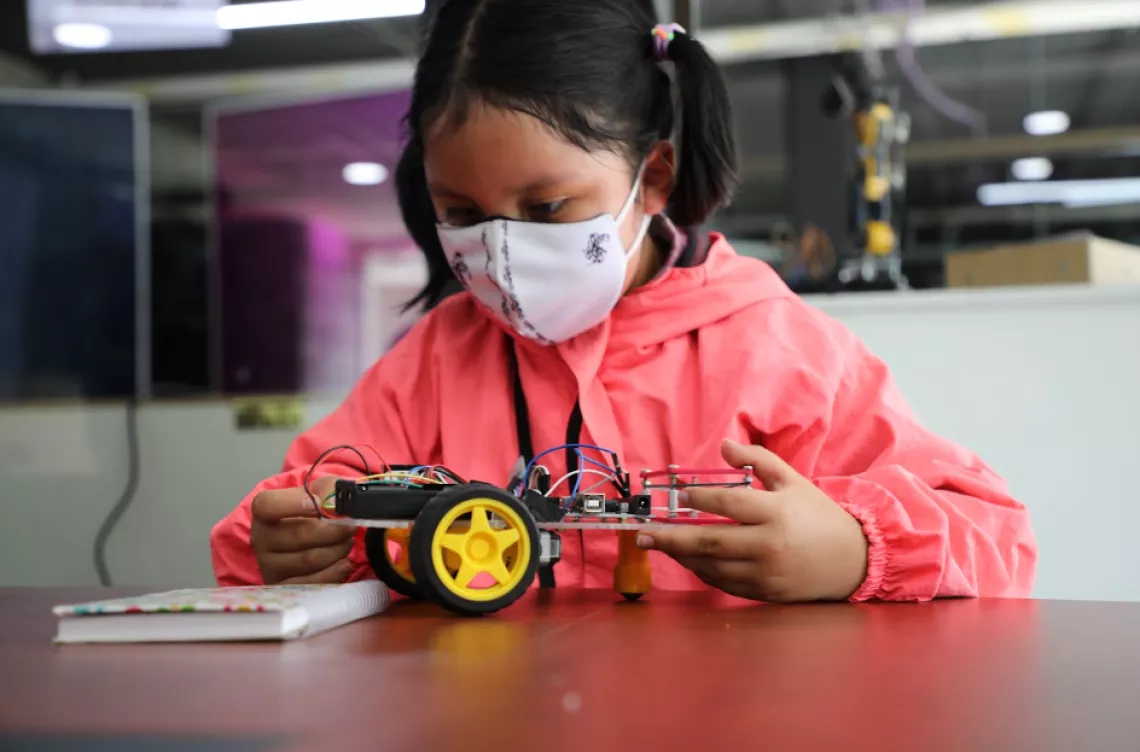
Toward addressing these inequities, UNICEF is implementing the Skills for Girls program. This initiative – falling within the framework of the new Adolescent Girls Programme Strategy, 2022 - 2025 and the UNICEF’s agenda of ‘Reimage Education’ that works to enhance the digital learning ecosystem – strives to boost the involvement of girls and adolescent women in STEM areas.
Within the framework of this collaboration between the areas of Gender and Education, from the UNICEF Latin America and the Caribbean Regional Office we present the following resources:
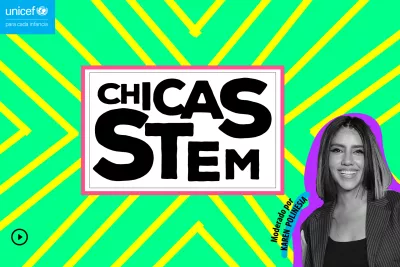
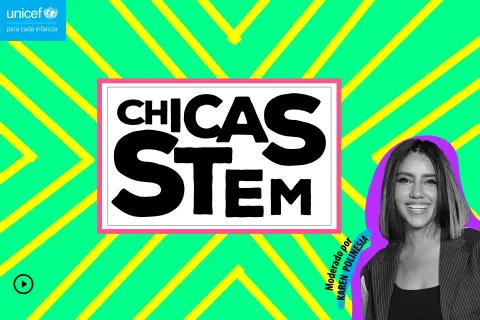
The STEM Girls podcast which, together with the influencer Karen Polinesia, aims to encourage more girls and young women to study for careers in the fields of science, technology, engineering and mathematics (Available only in Spanish).
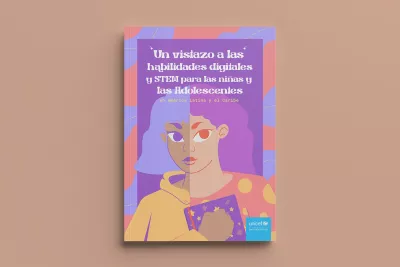
The report "Digital and STEM skills for girls at a glance: Latin America and the Caribbean" includes a systematization of the Skills4Girls program in the Latin American and Caribbean region, highlighting successful examples of programmes focused on developing STEM, digital, entrepreneurship, and life skills, and advocacy initiatives to break gender roles and stereotypes (Available in Spanish and English).

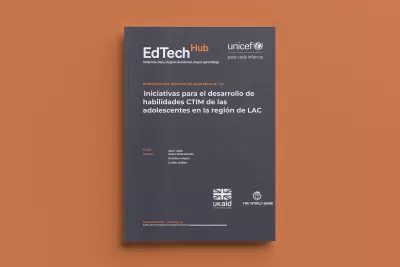
The Mapping of STEM initiatives for girls in Latin American and Caribbean identifies initiatives for the development of these skills in girls, in response to reducing the gap in this area. Additionally, it encompasses a series of transversal recommendations derived from the analysis of these initiatives (Available in Spanish and English).