Progress in Education: Children in Kyrgyzstan are making improvement in learning outcomes

BISHKEK, 29 November 2024 – The Ministry of Education and Science, the Embassy of Japan, and UNICEF marked the closure of the Ensuring Quality Education for Children Affected by COVID-19 project, launched in 2021 to support the safe reopening of schools and address learning losses caused by the pandemic.
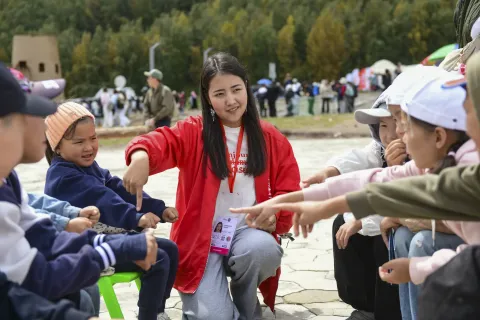
With a total contribution of US$2.7 million from the Government of Japan, this three-year long initiative grappled with the learning losses caused by school closures. Digital transformation was a key priority, with more than 1,000 computers delivered to schools and ICT training for teachers. Over 10,300 teachers received training to provide catch-up learning programmes, directly supporting 20,500 Grade 5 and 6 students who had learning gaps. As a result, students achieved 15-20 percentage-point improvements in test scores, reflecting their enhanced engagement and academic performance.
According to the external evaluation, the project significantly improved learning outcomes, WASH practices, and educational equity. Teachers reported a 92 per cent improvement in children's learning outcomes, with increased motivation and confidence among students. Thanks to cascade training model and the Mugalim online platform, this improvements in knowledge and practices are likely to persist.
Mr Bekjan Supanaliev, the Acting Minister of Education and Science, attended the closure event and said: “This project not only addressed immediate needs, but also laid the foundation for long-term improvements in our education system. The introduction of digital learning platforms, such as the Mugalim online platform, has increased the ability of our teachers and students to use technology. The mentoring model created through this project provides ongoing support to educators, ensuring the sustainability of these initiatives.”
Mr Hideki Goda, Ambassador Extraordinary and Plenipotentiary of Japan noted: "Japan and the Kyrgyz Republic have developed friendship and close cooperation in various fields during last 32 years since the independence of the Kyrgyz Republic. Education is one of the priority areas. Education is the basis for the social and economic development of country.”
From a hygiene promotion perspective, all 460 target schools were equipped with essential infection prevention and control and hygiene and sanitation supplies, such as liquid soap, thermometers, and hand dryers, reaching over 230,000 children. This, combined with behavioural change campaigns, including promotion of a theatre play on hygiene, have created lasting improvements in hygiene practices, ensuring that these gains endure beyond the project’s timeline.
Mr Samman Jung Thapa, UNICEF Representative to the Kyrgyz Republic, reaffirmed UNICEF’s commitment to continuous technical support for the education sector: This initiative, implemented in close collaboration with the Ministry of Education and Science and with generous support from the Government of Japan, through efficient management and innovative strategies, ensured sustained positive impacts. UNICEF will continue to support strengthening the education system to ensure that every child in Kyrgyzstan has access to the quality learning, care, and opportunities they deserve."
The project contributed to the achievement of Sustainable Development Goal (SDG) 4: Ensure inclusive and equitable quality education and promote lifelong learning opportunities for all.
Media contacts
About UNICEF
UNICEF promotes the rights and wellbeing of every child, in everything we do. Together with our partners, we work in 190 countries and territories to translate that commitment into practical action, focusing special effort on reaching the most vulnerable and excluded children, to the benefit of all children, everywhere.
For more information about UNICEF and its work for children, visit www.unicef.org.