Kyrgyzstan Advances Dialogue on Sugar-Sweetened Beverage Taxation to Protect Public Health

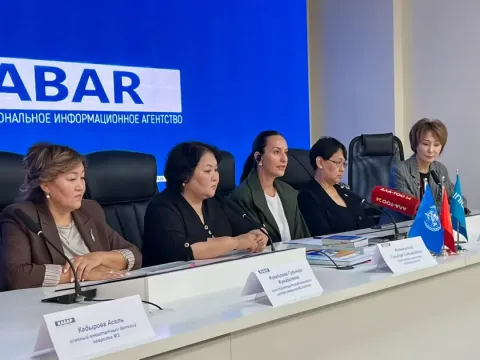
Bishkek, 26 May 2026 — The Ministry of Health of the Kyrgyz Republic with technical support from the UNICEF, World Health Organization (WHO) and the World Bank, convened a high-level policy dialogue in Bishkek to discuss taxation of sugar-sweetened beverages as part of national efforts to prevent noncommunicable diseases (NCDs) and promote healthier diets.
NCDs, including heart disease, diabetes, cancer and chronic respiratory illnesses – are the leading cause of premature death in Kyrgyzstan. High consumption of sugary drinks is a key driver of obesity and related diseases, particularly among children and young people.
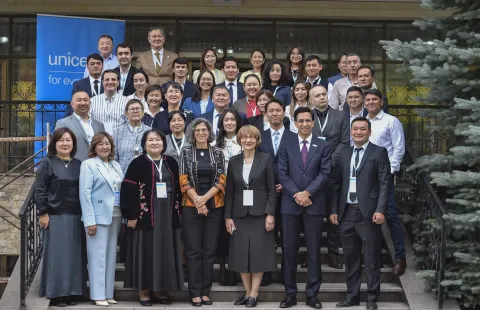
Bringing together government, parliament, development partners and civil society, the dialogue focused on evidence, global experience and practical policy options. Participants emphasized the urgent need for strong, evidence-based measures to reduce the growing health and economic burden of diet-related diseases.
“The state is already bearing enormous costs for treating complications related to diabetes – including hemodialysis, heart attacks, strokes, amputations and disability.” Said Deputy Minister of Health Gulbara Ishenapysova. “Therefore, increasing taxation on sugar-sweetened beverages should first and foremost be viewed as an investment in public health.”
“In the Kyrgyz Republic, the situation is particularly concerning: 78 per cent of children aged 6–23 months consumed sugary drinks in 2023,” said UNICEF Representative to the Kyrgyz Republic Samman Jung Thapa. “At the same time, childhood overweight and obesity rates are rapidly increasing. Sugar-sweetened beverages are one of the main sources of sugar consumption and contain little to no additional nutritional value. Reducing sugar consumption is critical to protecting children’s health and future.”
Globally, more than 115 countries have introduced taxes on sugar-sweetened beverages, including 22 in the WHO European Region. Evidence shows that increasing prices reduces consumption and encourages healthier choices.
“Sugar-sweetened beverage taxation is not only a health measure – it is an investment in the country’s future productivity and resilience,” said WHO Representative Dr. Liviu Vedrasco. “International evidence clearly shows that well-designed fiscal policies can reduce sugar consumption, encourage healthier product reformulation, and help prevent noncommunicable diseases, especially among children and young people.”
According to World Bank analysis, a strengthened sugar-sweetened beverages tax in Kyrgyzstan could prevent over 50,000 cases of obesity and 41,000 cases of type 2 diabetes over the next 25 years, while generating significant public revenue.
“This is a smart reform that can improve health outcomes while strengthening public finances,” said World Bank Country Manager Hugh Riddell.
Participants highlighted that an effective tax should be based on sugar content and raise retail prices by at least 20–30%, with a clear plan for gradual increases written into the law. Discussions also stressed the importance of strong implementation, cross-sector cooperation and safeguarding public health policy from conflicts of interest and industry interference.
The dialogue is part of ongoing national efforts to prevent NCDs and create healthier food environments in line with global health commitments.
Media contacts
About UNICEF
UNICEF promotes the rights and wellbeing of every child, in everything we do. Together with our partners, we work in 190 countries and territories to translate that commitment into practical action, focusing special effort on reaching the most vulnerable and excluded children, to the benefit of all children, everywhere.
For more information about UNICEF and its work for children, visit www.unicef.org.