Protection passed from one generation to the next
With measles cases reported in 23 municipalities across Kosovo, families need clear information about how vaccination protects children and what to do if a child has missed a dose.

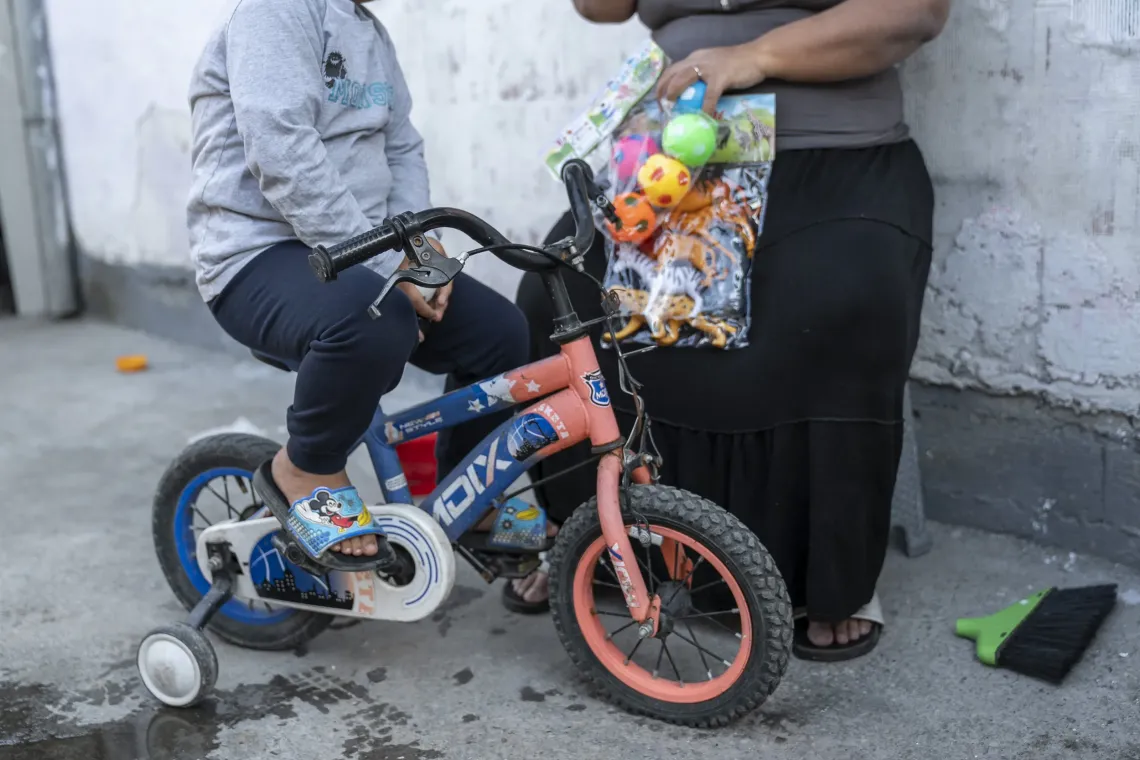
Four-year-old Meriton1 loves his bike. He loves animals, too, and knows their names. When asked about vaccination during a visit to his home in Fushe Kosovo, he gives a matter-of-fact look. The question seems more unusual to him than getting vaccinated.
Beside him is his grandmother, Mira2, who is raising him. At 45, she is a mother of four and grandmother of six. She says all her children and grandchildren have been vaccinated, and she is determined that Meriton receives his vaccinations too.
Her explanation is straightforward: vaccines help protect children from diseases. She speaks confidently, within her grandson’s hearing, about vaccination as an ordinary part of looking after the family. For Meriton, her words and actions offer the same reassurance: getting vaccinated is part of being cared for.
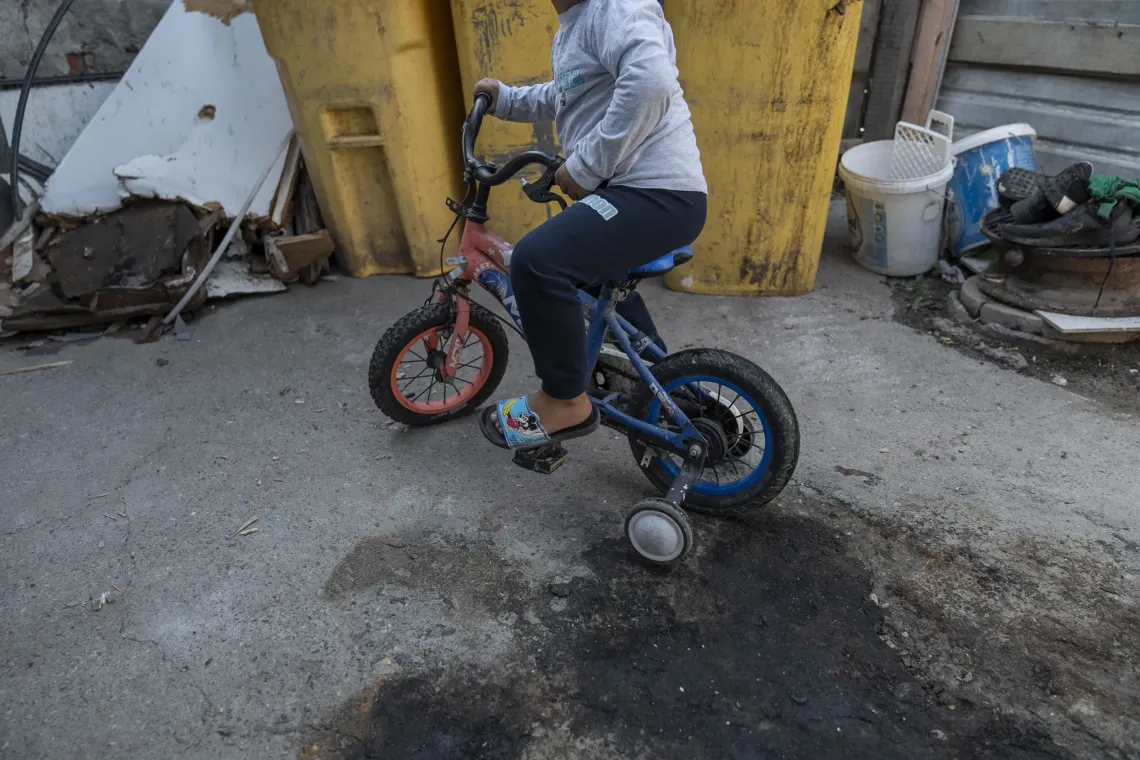
Grandmothers like Mira influence family decisions and pass on their experience. In this household, that influence is helping another generation receive protection.
Community volunteers have shared vaccination information with Mira, reminded her when Meriton’s vaccines were due and helped her access the vaccination centre, as well as arranging mobile vaccination sessions close to their home.
Many children across Kosovo are still missing recommended vaccines. The 2025 Multiple Indicator Cluster Survey (MICS), conducted by the Kosovo Agency of Statistics with UNICEF support, found that 76 per cent of children aged 24–35 months were fully immunized in the general population, compared with 44 per cent among Roma, Ashkali and Egyptian children. In other words, more than half of Roma, Ashkali and Egyptian children in this age group had missed at least one recommended dose.
For families with questions about vaccination, a conversation sometimes begins with a familiar face at the door.
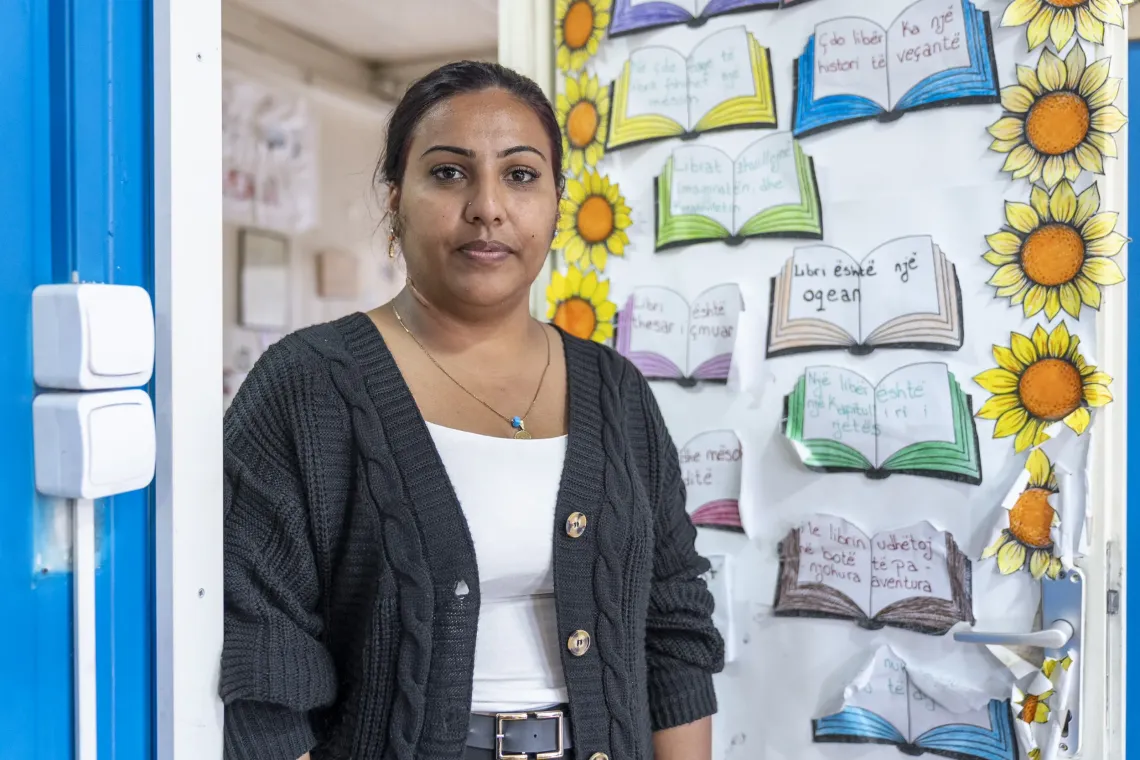
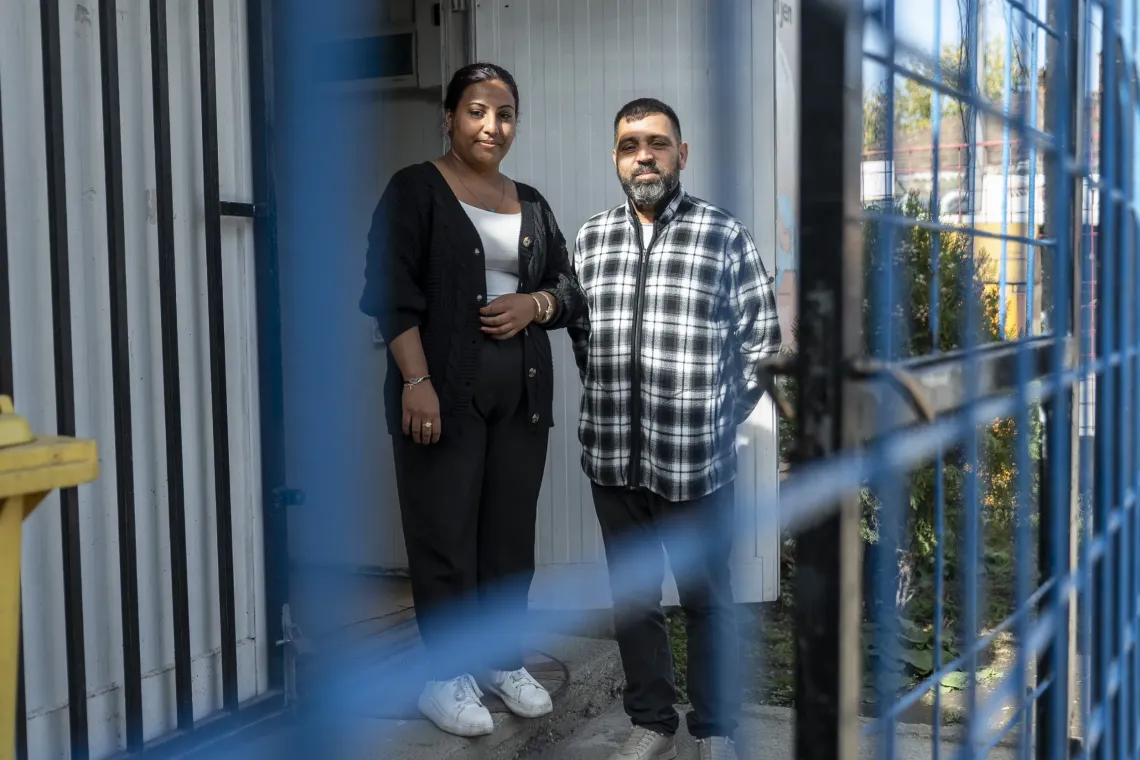
Vahide Berisha, 21, has worked with Balkan Sunflowers for three years, helping connect families in Roma, Ashkali and Egyptian communities with nurses. Sometimes, one visit is enough. Other times, she returns several times to continue the conversation and address concerns before caregivers agree to vaccination.
She says she had not initially realized how much her support meant. Now, people stop her in the street to tell her that, with her help, their children have been vaccinated. These encounters help her see the difference her work is making.
The return of measles in Kosovo is concerning. According to the National Institute of Public Health, cases have been recorded across 23 municipalities, predominantly among children, and more than 95 per cent were among people who had not received the MMR vaccine, which protects against measles, mumps and rubella.
To reach children who have missed vaccinations, UNICEF is supporting a door-to-door campaign with nurses and Balkan Sunflowers. Volunteers like Vahide help open doors and build trust, while nurses answer caregivers’ questions and help children receive missed doses.
Measles is highly contagious and can cause severe illness and death. Two doses of MMR vaccine are recommended for full protection against measles, with the first dose administered at 12 months and the second at five years of age. To prevent outbreaks, at least 95 per cent of children in each community need both doses.
Keeping vaccinations up to date also helps protect infants and people who cannot be vaccinated for medical reasons. Caregivers whose children have missed doses can contact their family medicine centre or vaccination team to arrange catch-up vaccination.
UNICEF supports local partners to reach children who have missed vaccinations. For caregivers like Mira, that can mean a reminder when a dose is due or a visit from a vaccination team closer to home.